Earn · 22 October 2026 · 3 min read
The BBC producer who put a train driver's words on the news, then went to train driver school
Alex Worsick spent 22 years at the BBC, most recently as a producer at BBC Radio Lancashire. Then she edited an interview with a Northern train driver, applied in her mid-40s, and is now learning five routes through Lancashire and Merseyside.
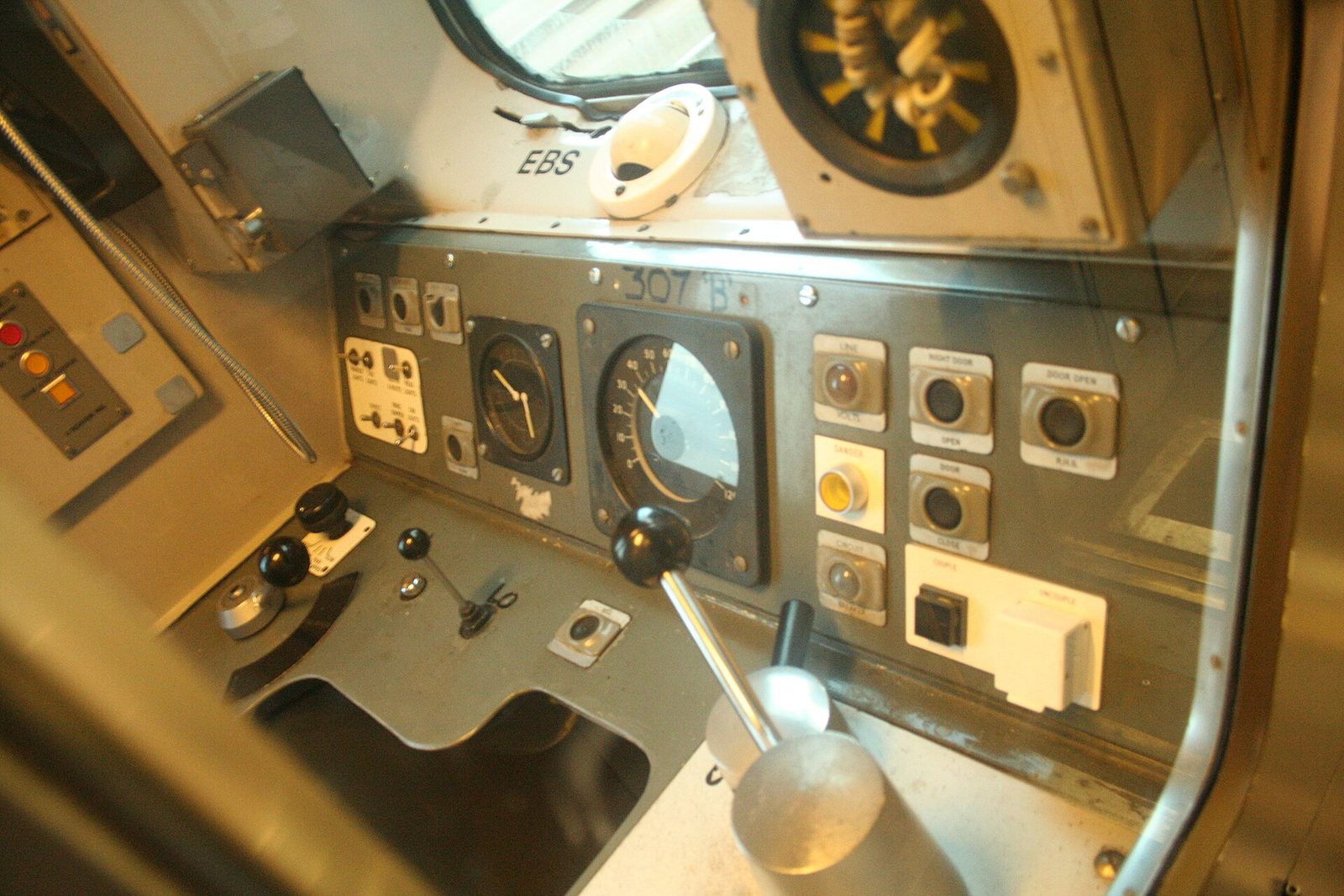
On one of her first journeys at the controls, Alex Worsick drove a train over the big viaduct in Accrington, the Lancashire town where she grew up. She had walked underneath it many times. She told Northern, the train operator she now works for, that it felt like a real privilege.
Before that, Worsick spent 22 years at the BBC, reporting, producing, reading the news and editing, most recently as a producer at BBC Radio Lancashire.
The interview that started it
The idea came from her own bulletins. Lauren Pugh, a Northern driver, spoke on BBC radio about her job and about encouraging more women to work on the railway. Worsick cut the interview into a news story. Pugh, she said, made it sound like a brilliant opportunity.
She had never thought about a career on the railway. But she was looking for a new challenge, and felt she had done everything she wanted to do at the BBC. In 2024 she applied.
“It was a bit nerve racking changing careers in your mid 40s, but I thought ‘if I don’t do it now, I never will’.” — Alex Worsick, quoted by Northern
The application form asked how she dealt with people, emergencies, deadlines and shift work. Then came interviews, psychometric tests and a medical.
Twenty weeks in a classroom
Training began with 20 weeks in a classroom: how trains work, the rulebook drivers follow, and signalling. After that comes 230 hours of hands-on driving in the cab, with an instructor beside her. She is learning several types of train on five routes through Lancashire and Merseyside.
“I have never learnt so much stuff in such a short amount of time as I have at train driver school.” — Alex Worsick, to the Lancashire Evening Post
She told Northern it was a long time since she had had to learn so much new information, and that she felt like a student again. She does not pretend it is easy: a new challenge, she said, will be difficult at times, but it is rewarding.
“I feel like I’ve got a new lease of life because it’s switched my brain on.” — Alex Worsick, quoted by Northern
Why this matters
Learning new skills is one of the five steps the NHS (the UK health service) suggests for mental wellbeing.
It is also a reminder that some skilled jobs are open to people who start later than the usual entry age. In England, the National Careers Service sets the minimum age for driver training at 18 and lists three ways in: an apprenticeship of one to two years, working up from a role such as conductor, or applying straight to a train company as a trainee driver. It gives pay of £28,000 a year for a starter and up to £65,000 with experience, and warns of evenings, weekends and bank holidays on shifts.
In the US the route is different. The Bureau of Labor Statistics says railroad workers must be at least 21, most locomotive engineers spend several years as conductors first, and engineers need certification under the Federal Railroad Administration’s rules. Median pay for locomotive engineers was $81,410 in May 2025.
How to test a change of your own
- Read the job, not the dream. The official job profile gives the hours, the shifts and the way in.
- Ask someone who does it. Worsick’s spark was a driver describing her own work. Most people will tell you how they got in if you ask.
- Talk to a careers adviser, free. In England, the National Careers Service number for adults is 0800 072 0288 (weekdays, 8am to 6pm). In the US, American Job Centers offer free help with career changes and training; find one at careeronestop.org/JobCenter.
- Count what you bring. The driver application asked about people, emergencies, deadlines and shift work. Write down where you have handled each.
Our guide to job hunting covers CVs, interviews and your rights at work. For another change of direction, read how Barbara O’Donnell left IT management to lead walkers into the mountains.
Sources
- Former Lancashire BBC journalist finds new lease of life as Northern train driver — Lancashire Evening Post, 25 August 2026
- Former BBC radio presenter has 'new lease of life' after switching careers to become train driver — Northern, 18 August 2026
- Train driver — National Careers Service (GOV.UK), accessed 22 October 2026
- Railroad Workers: Occupational Outlook Handbook — US Bureau of Labor Statistics, last modified 14 September 2026
- Five steps to mental wellbeing — Lancashire County Council (quoting the NHS), accessed 22 October 2026
- About us — National Careers Service (GOV.UK), accessed 22 October 2026
- American Job Centers — CareerOneStop (US Department of Labor), accessed 22 October 2026
Quotes are taken from the sources above. We link to the original reporting so you can read the full story.
Was this one for you?