Earn · 28 September 2026 · 3 min read
Natalie Brock's quarter-acre flower farm now pays the family's bills
Natalie Brock spent more than a decade in South Australian classrooms. On her 51st birthday she took her own advice and started a flower farm among the family's vines. When a frost wrecked the grape crop, the flowers became the business that kept them going.
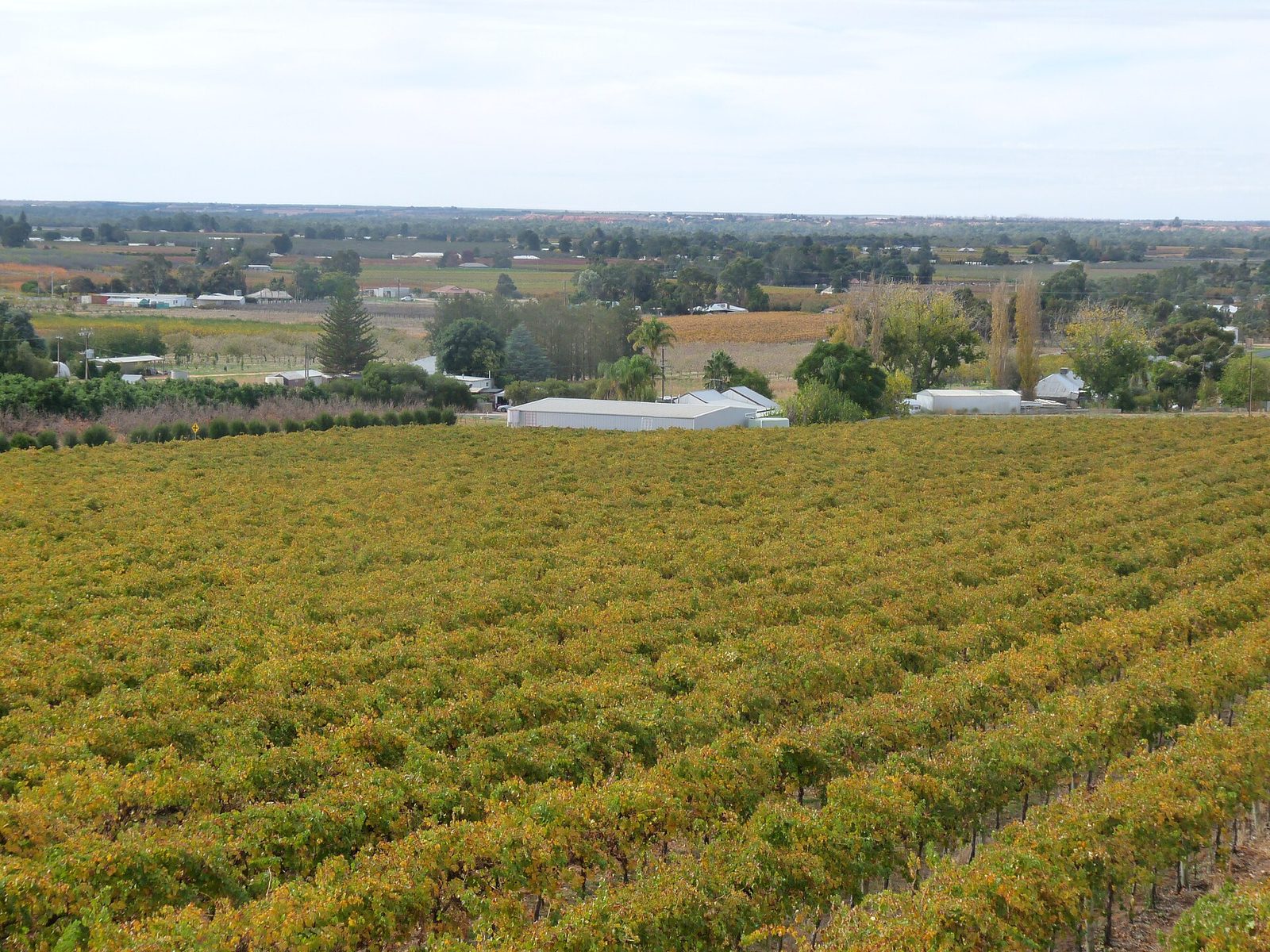
Natalie Brock’s career change started with a birthday and a patch of weeds.
Brock had taught for more than a decade and was a school wellbeing leader in the Riverland, South Australia’s fruit-and-wine country. She and her husband Aden, a viticulturist, live on 60 hectares of vineyard near Monash. Somewhere on that land was a quarter-acre nobody was using. Then she did a sum.
“If I’m going to stop teaching and I’ve got another 10 years of work ahead of me, I want to be doing something that I really love.” — Natalie Brock, to ABC News
She took her own advice as she turned 51, ABC’s Amelia Walters reported, and left the classroom for the flower beds.
From weeds to dahlias
The neglected quarter-acre became Coco and Honey, a small flower farm growing dahlias, snapdragons, ranunculus, zinnias and leucadendrons. Brock uses fewer pesticides and sprays than conventional growers, and says the point is as much about the ground as the blooms:
“By investing in the soil, and using fewer pesticides and sprays, we have created a really healthy ecosystem.”
The flowers go to local customers, who she says like the idea of fresh, homegrown flowers, and the ones that are not quite good enough to sell but still have life in them are delivered to hospitals around the Riverland and given to patients. Anything wilted goes back to Aden as compost for the vines. Nothing is wasted.
Then came the part nobody planned. A severe frost hit the Riverland’s wine grapes. As the ABC reported, what had been the family’s second income became its main one.
Brock is clear-eyed about it. The grape industry, she told ABC, “is looking pretty dark at the moment”, and she does not know whether the flowers can stay a full-time job. But the sideline she started at 51 is what is keeping the household afloat.
Why this matters
There is a persistent idea that starting a business is a young person’s game. The evidence says otherwise. Research from MIT and the US Census Bureau, published in American Economic Review: Insights in 2020, found that the average age of a founder of one of the fastest-growing new companies was 45 — and that a 50-year-old founder was roughly twice as likely to build a top-performing firm as a 30-year-old. In the UK, the Office for National Statistics has reported for years that self-employment rates rise with age and are highest among the over-65s.
The reasons are not mysterious. By 50 you know what you are good at, you know a lot of people, and you have watched enough things fail to be sensible about risk. Brock planted a quarter-acre she already had, alongside the teaching, and let the business earn its place. That is the model that works for most people over 50: a side venture first, funded by time rather than savings.
What she did right
- She named her time horizon. “Another 10 years of work” is a specific number, and specific numbers make decisions easier. What is yours?
- She started with what she had. A neglected quarter-acre, a husband who knew soil, a region full of people who like fresh flowers.
- She built the second income before she needed it. When the frost came, the flowers were already there. A sideline you start in good years is an insurance policy for the bad ones.
- She put something back. The hospital flowers give the business a purpose beyond the till.
If your own version is not flowers, it will be something. Marie Fowler went back to a classroom at 80 and finished a doctorate. Katie Pahlow finally learned to ride the surfboard she had bought at 17. The common thread is not the activity. It is the moment of taking your own advice.
Nothing here is financial advice — talk to an accountant before you register anything. But the quarter-acre question is free to ask: what is the small, neglected thing you already have that could become a business?
Sources
- Teacher-turned-florist proves it's never too late for a career change — ABC News (Australia), 14 January 2025
Quotes are taken from the sources above. We link to the original reporting so you can read the full story.
Was this one for you?