Think · 23 September 2026 · 2 min read
Marie Fowler went back to the classroom and came out with a doctorate
Marie Fowler enrolled at Howard University School of Divinity intending to try one semester. Three years later she walked across the stage with a Doctor of Ministry.
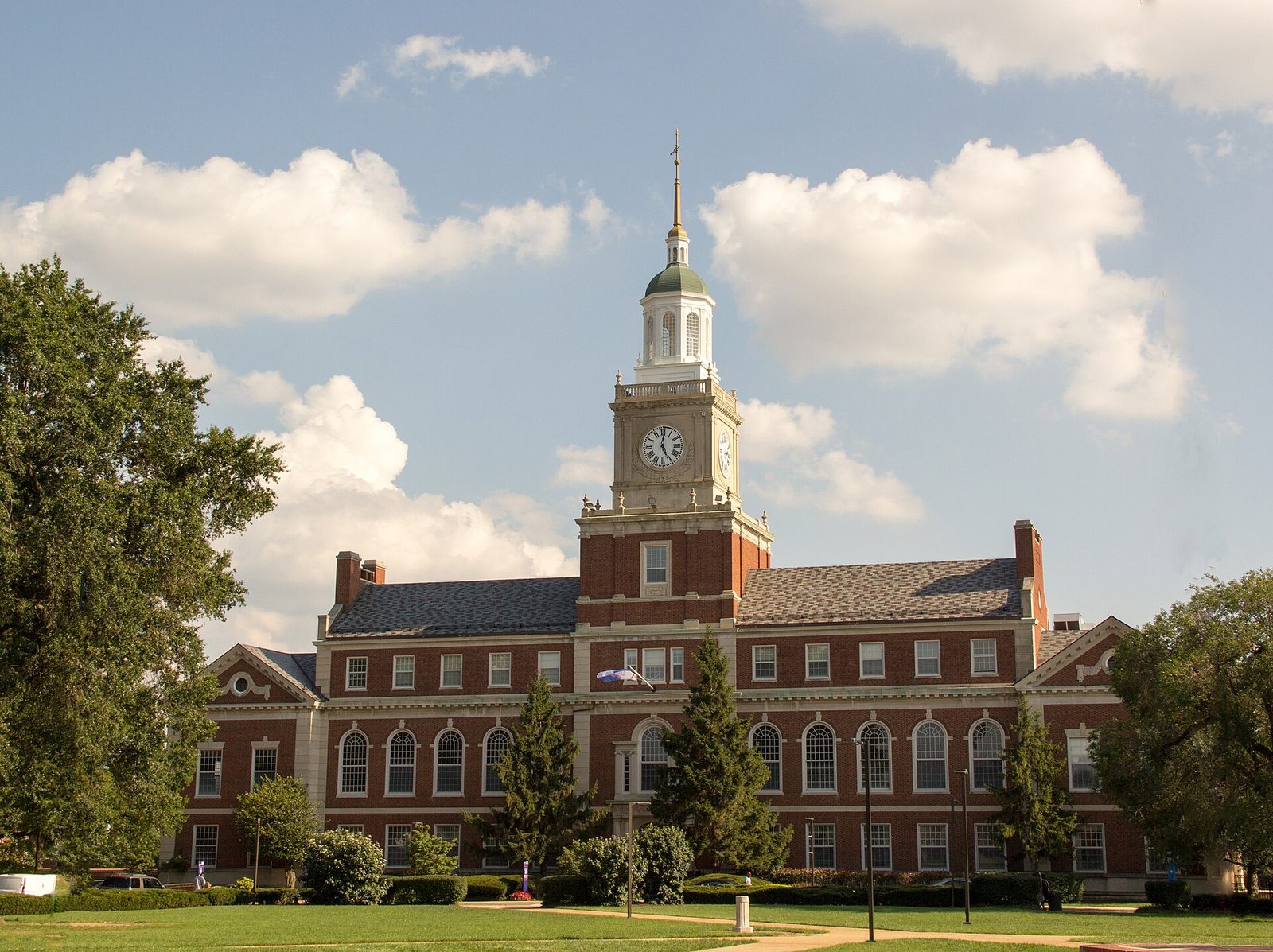
Marie Fowler already had a bachelor’s degree and two master’s degrees from Maple Springs Baptist Bible College and Seminary. What she did not have was any recent experience of a classroom. She had been out of school, as she puts it, since 1959.
So when she enrolled at Howard University’s School of Divinity at 80, her ambitions were modest.
“It was never my thought that I would go beyond maybe one semester because, after all, I had been out of school since 1959.” — Marie Fowler, WJLA
“I didn’t even know if I could retain information.”
Three years later, in May 2024, she completed a Doctor of Ministry — and became the oldest doctoral graduate in Howard University’s history.
The doubt everyone has
Doubting whether new information will stick is a common worry about going back to study. It feels like a fact about the brain. It is actually a prediction — and Fowler’s story is what happens when you test it rather than believe it.
The research on learning in later life is more encouraging than most people expect. Processing speed slows, yes. But vocabulary, reasoning and the ability to integrate knowledge — exactly the skills a doctorate demands — hold up well into the 80s, and the brain keeps forming new connections in response to challenge. What older learners lack is rarely capacity. It is usually confidence, and a structure that gets them into the room.
Her reason
Fowler’s motivation reached back generations. Her parents, she has said, were born at a time when it was against the law for them to learn to read and write. A doctorate at 83 was not a hobby. It was a completion.
Her professor, Alice Ogden Bellis, described her as “the life of the party”: someone who knew what she wanted, came and did it.
Her question for everyone else
Fowler’s message to others is direct:
“It is never too late… I am 83, which means if I can do it, why not you?”
How to borrow her method
She did not set out to get a doctorate. She set out to survive one semester. That is the trick, and it applies to nearly everything on this site:
- Shrink the commitment to one term, one block of lessons, one month. Doubt cannot argue with a small experiment.
- Show up. The retention question answers itself in week three.
- Let the next step appear. Fowler decided semester by semester. Three years passed.
Most adult education providers — colleges, the Open University, the University of the Third Age (U3A), local libraries — run courses that start every term. You do not need to know where it leads. You only need to know where the first class is.
Sources
- 83-year-old becomes Howard University's oldest doctoral graduate — UPI, 13 May 2024
- Howard University's oldest graduate earns doctoral degree — WJLA-TV, 13 May 2024
Quotes are taken from the sources above. We link to the original reporting so you can read the full story.
Was this one for you?