Build a raised bed and plant it up
A friend has invited you to do this with them.
A raised bed gives you a fertile, free-draining patch on poor or waterlogged soil, and it warms up earlier in spring. Built to the right width, you can reach the middle from either side without ever treading on the soil.
ModerateUnder £100 / $130A day or a few daysOutdoorsAlone or with othersUK and US
Christmas present ideas for someone who wants to build a raised bed and plant it up
Presents that help someone get started, drawn from this page. They are ideas, not recommendations: we have not tested any of the products, so check sizes and details before you buy.
Kit to give
- Spirit levelAmazon to check the frame is level along the sides and across the diagonals
- Coach screwsAmazon to fix timber sleepers together at the corners
- Soaker hoseAmazon for watering a raised bed through hot summer months
Or give your company
Some of the best presents cost little: offer to go along the first time. Print a promise card to put under the tree.
Some of these are affiliate links: if you buy or book through them we may earn a commission at no extra cost to you. Amazon links are searches, so compare what comes up.
More Christmas gift ideas for people who love doing things Stocking fillers
What it's really like
The RHS says a raised bed should be no wider than 1.5m (5ft) so you can reach the centre without standing on it; Utah State University Extension suggests 3 to 4 feet (0.9 to 1.2m). Depth depends on the crop. The RHS gives 30cm (1ft) for salad leaves, strawberries and dwarf bulbs, and 45cm (18in) or more for fruit bushes and small trees. Beds deeper than 50cm (20in) need rubble or subsoil in the base for drainage.
Siting matters as much as building. The RHS suggests full sun, a south or west-facing spot, and long beds running north to south for even light. Check levels with a spirit level along each side and across the diagonals. You can build at any time of year; the RHS says winter suits most gardeners, but on heavy clay that waterlogs, late summer is drier.
The RHS fill is seven parts topsoil, three parts organic matter and two parts sharp sand, with double the sand for herbs, bulbs and alpines. Utah State's version is equal parts compost, coarse sand or similar drainage material, and native soil. Utah State notes that warmer soil in raised beds means more frequent watering in hot summer months, and suggests drip irrigation or a soaker hose.
Choosing a material
| Material | What the guides say | Cost and lifespan (as described) |
|---|---|---|
| Pressure-treated softwood sleepers | The most popular choice, according to the RHS | Economical and long-lasting (RHS) |
| Untreated timber, pallets or scaffold boards | Line with plastic; a preservative helps | Shorter life; untreated fir rots within a few years (USU) |
| Cedar or redwood | Naturally rot resistant | Not priced in the guide (USU) |
| Recycled plastic sleepers | A choice where honey fungus is a problem | Very durable but costly (RHS) |
| Brick or stone | Walls over 20cm (8in) high need mortar and concrete footings about 15cm (6in) deep; also suggested where honey fungus is a problem | Not priced in the guide (RHS) |
| Old creosoted railway sleepers | No longer permitted for garden use in the UK; USU says creosote can damage plants that touch it | Avoid |
Paths and access
Leave paths at least 45cm (18in) wide for a wheelbarrow and at least 1m (3ft 3in) for a wheelchair. The RHS notes that raised beds bring plants nearer eye level and are easier to reach for gardeners with limited mobility.
How to start
- Pick a level spot in full sun, away from overhanging trees, and mark out a bed no more than 1.5m (5ft) wide.
- Choose a frame material, from pressure-treated timber sleepers to recycled plastic, and leave paths at least 45cm (18in) wide for a wheelbarrow.
- Fill with a mix of topsoil, organic matter and sharp sand to about 5cm (2in) below the rim, and let it settle for a couple of weeks before planting.
Where to go
We opened these links on 20 November 2026 and found them to be what we say. Dates, places and prices are on the official page, where they stay up to date.
Plan this
Two ways to plan it.
Plan it yourself Free
The links you need to book it, get there, find somewhere to stay and eat, and see what else there is to do nearby. They are searches for you to run; nothing is saved.
Show the links
Plan it with dates
Pick a day, or a month, and we will set out how to get ready, step by step, with a date and a reason for each. Projects run over months and stall without a rhythm, so the plan sets milestones you can see.
Questions people ask
How wide should a raised bed be?
The RHS suggests under 1.5m (5ft), and Utah State University Extension suggests 3 to 4 feet, so you can reach the middle from both sides.
What soil should I fill a raised bed with?
The RHS mix is seven parts topsoil, three parts organic matter and two parts sharp sand. Fill to about 5cm below the rim and let it settle before planting.
Is treated timber safe for a vegetable raised bed?
The RHS lists pressure-treated softwood sleepers as a common choice. Utah State University Extension suggests a plastic barrier between treated lumber and the soil.
How deep should a raised bed be for vegetables?
The RHS gives 30cm (1ft) for salad leaves and strawberries. Utah State suggests framed beds at least 6 to 12 inches high, and no base on boxes shallower than 12 inches.
Where this comes from: RHS, How to make a raised bed; Utah State University Extension, Raised bed gardening. Opened 20 November 2026.
Read next
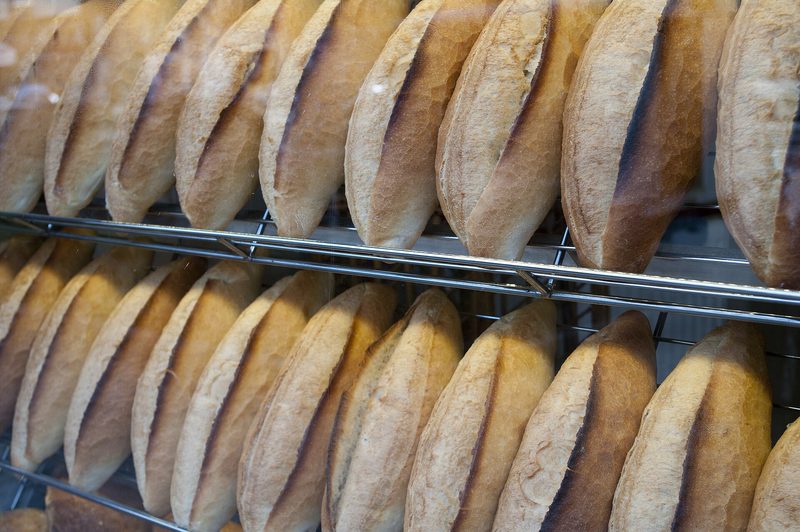
Geoff Collis traded the flight deck for a bakery bench in Melbourne's north-east
How an airline pilot learned to bake during the pandemic, went back to flying, then chose the bakery for good, and how to bake your first loaf this week or turn a baking habit into something bigger.
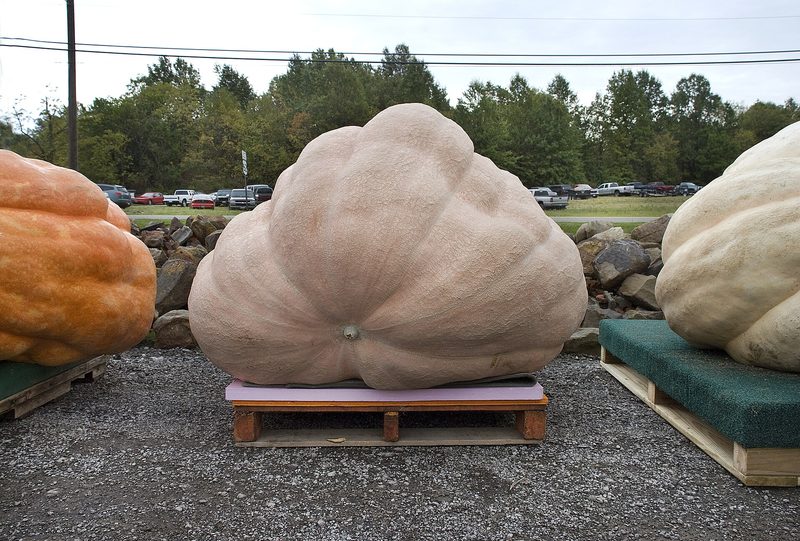
Ron Wallace grew the world's heaviest pumpkin in his first season under glass
Ron Wallace's 3,156lb pumpkin took the world record a week after Ian Paton's 2,856lb 'Bagheera'. How the two growers got there, what a gardening trial found, and how to grow a first pumpkin of your own next year.