Start a compost heap and use your first compost
A friend has invited you to do this with them.
A compost heap turns kitchen peelings, grass cuttings and prunings into dark, crumbly compost that smells like damp woodland. The RHS puts the wait at six months to two years, and a hotter, more carefully managed pile can be ready much sooner.
GentleUnder £100 / $130MonthsOutdoorsAlone or with othersUK and US
Christmas present ideas for someone who wants to start a compost heap and use your first compost
Presents that help someone get started, drawn from this page. They are ideas, not recommendations: we have not tested any of the products, so check sizes and details before you buy.
Kit to give
- Kitchen compost caddyAmazon to collect peelings indoors before they go to the heap
- Garden forkAmazon for turning the heap and digging out finished compost
- Compost thermometerAmazon to see whether a hot pile is heating up
Or give your company
Some of the best presents cost little: offer to go along the first time. Print a promise card to put under the tree.
Some of these are affiliate links: if you buy or book through them we may earn a commission at no extra cost to you. Amazon links are searches, so compare what comes up.
More Christmas gift ideas for people who love doing things Stocking fillers
What it's really like
Composting is mostly a matter of mix and patience. The RHS suggests that green, nitrogen-rich material such as grass clippings, annual weeds, crop waste and kitchen peelings should make up a quarter to a half of the heap. The rest is brown, dry woody material such as prunings and hedge trimmings, with paper and cardboard. Chop or shred long stems and prunings first, and mix grass clippings with brown material, as on their own they turn slimy and smelly.
Turning the heap several times a year adds air and speeds things up, but the RHS says a well-balanced heap will usually compost without it, if speed does not matter. Compost takes six months to two years, and slows down over winter. It is ready when it is dark brown and crumbly and smells like damp woodland.
Penn State Extension describes a hotter method. A pile built in layers of brown material, green material and soil, kept as moist as a damp rag, should reach 140 to 160°F (60 to 71°C) in the centre. Turned often in the first three or four weeks and once or twice after that, it gives finished compost in about three to four months.
Choosing a bin
| Option | What it suits | Cost (as last listed) |
|---|---|---|
| Council discount scheme (example from Derbyshire, supplied by Get Composting) | Plastic compost converter, 220 or 330 litres | £32.98 (220 litres) or £44.98 (330 litres), plus £6.99 delivery (undated page) |
| Home-made bay from pallets or planks | Larger gardens; the RHS says bins under 1 cubic metre (1.3 cubic yards) work more slowly | Cost of materials |
| Rotating tumbler or beehive-style wooden bin | Tidy or decorative alternatives, listed by the RHS | Varies by retailer |
| Worm composting | Very small gardens; turns kitchen waste into compost and liquid feed, but the RHS says it does not replace a normal heap | Varies by retailer |
What to leave out
Penn State Extension lists meat and bones, cheese, oils and other fats, diseased or insect-infested plants, weeds that regrow from cuttings, and pet waste as things to keep out of a home heap. If flies appear, the RHS suggests covering kitchen waste with garden waste and checking the heap is not too wet. It says lime gives no benefit, and accelerators are unnecessary if the mix is balanced and gets enough air.
How to start
- Check whether your council offers a discounted compost bin, or build a bay from pallets or planks.
- Put the bin in a sheltered, partly or fully shaded spot, ideally standing on bare soil.
- Mix green material such as peelings and grass cuttings with brown material such as chopped prunings and shredded cardboard.
Where to go
- RHS, composting UK
- Derbyshire County Council, discounted compost bins UK
- Penn State Extension, home composting: a guide for home gardeners US
We opened these links on 20 November 2026 and found them to be what we say. Dates, places and prices are on the official page, where they stay up to date.
Plan this
Two ways to plan it.
Plan it yourself Free
The links you need to book it, get there, find somewhere to stay and eat, and see what else there is to do nearby. They are searches for you to run; nothing is saved.
Show the links
Plan it with dates
Pick a day, or a month, and we will set out how to get ready, step by step, with a date and a reason for each. A habit needs a fixed slot in the week more than a plan, so the planner gives it one and checks in gently.
Questions people ask
How long does it take to make compost?
The RHS says six months to two years, faster in warm weather. A hot, regularly turned pile can be ready in about three to four months, according to Penn State Extension.
What should not go in a compost bin?
Leave out meat and bones, cheese and fats, diseased plants, weeds that regrow from cuttings, and pet waste.
Where should I put a compost bin?
The RHS suggests a sheltered spot in partial or full shade, ideally standing on soil, where you can reach the bin easily.
Can I get a cheap compost bin from the council?
Some UK councils run discounted bin schemes. Derbyshire's, through Get Composting, listed a 330-litre bin at £44.98 on an undated page; check your own council's website.
Where this comes from: RHS, Composting; Derbyshire County Council, Buying a compost bin; Penn State Extension, Home composting: a guide for home gardeners. Opened 20 November 2026.
Read next
Geoff Collis traded the flight deck for a bakery bench in Melbourne's north-east
How an airline pilot learned to bake during the pandemic, went back to flying, then chose the bakery for good, and how to bake your first loaf this week or turn a baking habit into something bigger.
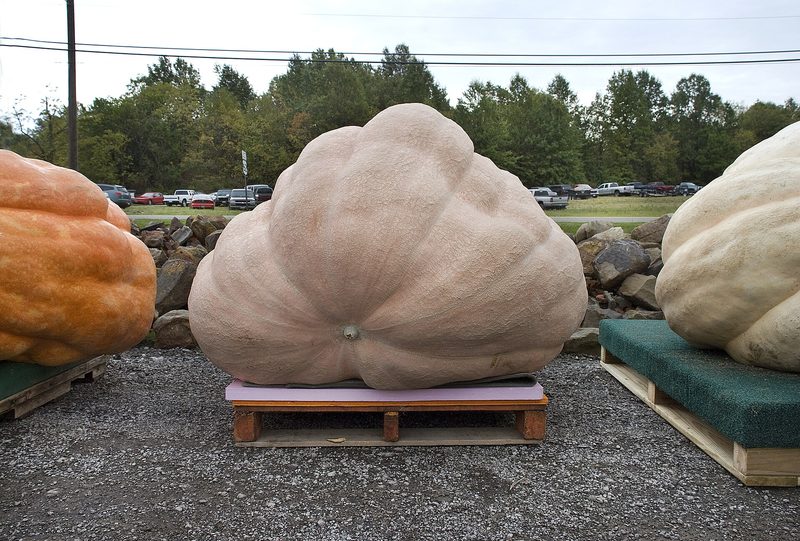
Ron Wallace grew the world's heaviest pumpkin in his first season under glass
Ron Wallace's 3,156lb pumpkin took the world record a week after Ian Paton's 2,856lb 'Bagheera'. How the two growers got there, what a gardening trial found, and how to grow a first pumpkin of your own next year.
More like this
Moderate
Build a raised bed and plant it up
Demanding
Take on an allotment
Gentle
Let a patch of lawn grow wild
Moderate
Grow food in a community garden