Transcribe documents for a national archive
A friend has invited you to do this with them.
Volunteers at the Smithsonian Transcription Center type out handwritten and typed pages, from invention notebooks to astronomical records, so that the text can be searched. You can contribute a single word or a whole page, and a different volunteer reviews each transcript before it is published.
GentleFreeA few weeksIndoorsOn your own
How to start
- Browse the projects on the Smithsonian Transcription Center, or the missions on the US National Archives Citizen Archivist page.
- Register for an account and read the transcription instructions for the project you choose.
- Transcribe one page, save it, and submit it for review when it is complete.
Where to go
We opened these links on 8 October 2026 and found them to be what we say. Dates, places and prices are on the official page, where they stay up to date.
Plan this
Pick a day, or a month, and we will set out how to get ready, step by step, with a date and a reason for each. Projects run over months and stall without a rhythm, so the plan sets milestones you can see.
Read next
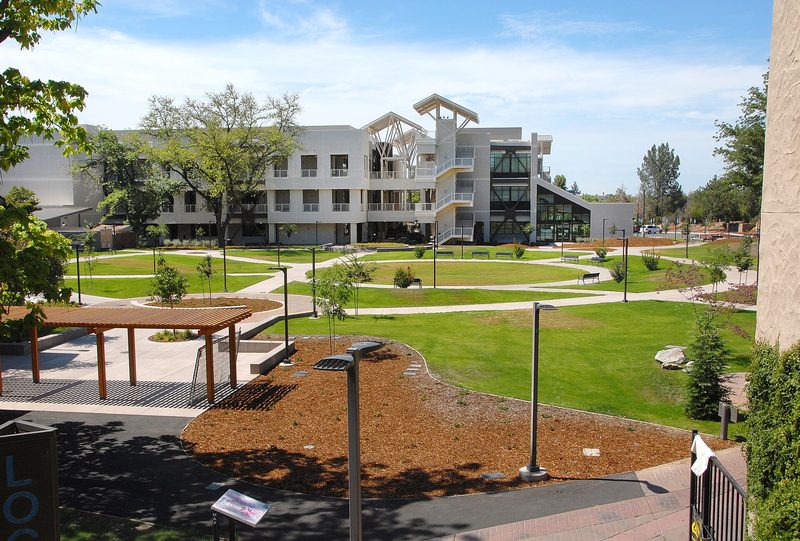
“Education has no expiration”: Virginia Ordaz and her mother finished their degrees in the same class
How a retired fire dispatcher from Stockton, California, finished the degree she started in 1989, and how her mother finished hers more than 40 years after her last class. How to find out what your own old credits are worth, in the US and the UK.
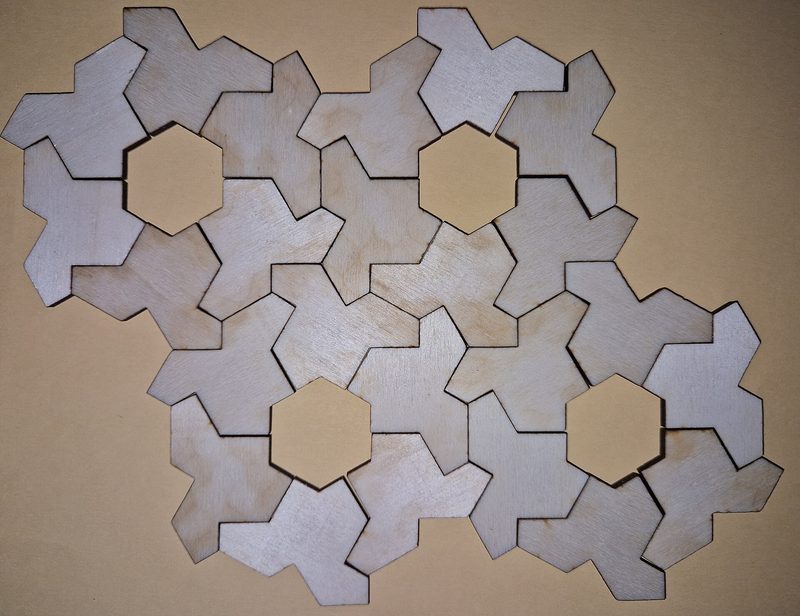
Sixty paper hats on a table in Bridlington: David Smith and the shape mathematicians had sought for decades
David Smith of Bridlington, a hobbyist with no training in mathematics, found 'the hat': the first single shape known to cover a flat surface only in patterns that never repeat. How he found it, why he could not prove it alone, and the free tools that let you put the same tiles on your own table.