Move · 26 October 2026 · 3 min read
Watching a swimmer from an exercise bike led Sola Alegbe from a lifelong fear of water to teaching it
Sola Alegbe was pushed into the deep end at school and was afraid of water for more than 30 years. At 48, on an exercise bike at her local leisure centre, she watched a swimmer and booked a lesson. She now teaches children, adults and families across London, and has written a book about it.
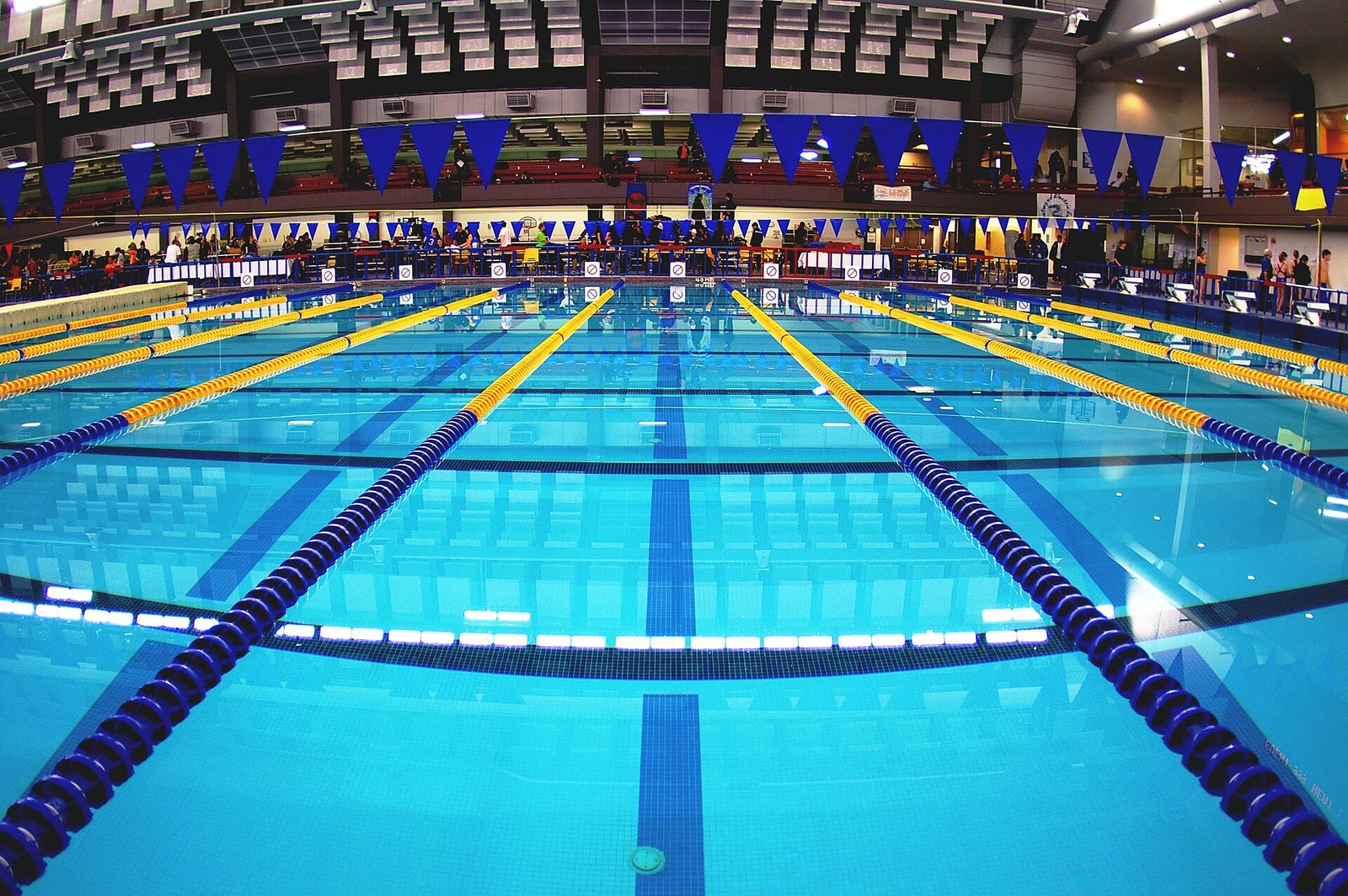
There were four steps down into the pool at Sola Alegbe’s first swimming lesson. She told the Swimming Teachers’ Association (STA) that they felt like climbing Mount Everest.
Alegbe, who grew up near Caledonian Road in north London and now lives near Old Street, had been afraid of water since she was 11. A teacher at school pushed her into the deep end of a pool although she could not swim, and she almost drowned. The fear lasted more than 30 years.
The view from the bike
What changed it was a referral. On her doctor’s advice she joined a GP-referred exercise programme (one a family doctor prescribes) at her local leisure centre. One day, pedalling a stationary bike, she found herself watching a swimmer move through the pool. At 48, she booked an adult lesson.
It was hard. She told the Islington Tribune that the first lesson was daunting, partly because of what had happened as a child and partly because of how she felt about her body.
“I felt like an alien, you know.” — Sola Alegbe, to the Islington Tribune
Her first steps were small ones: holding the rail and learning to blow bubbles. She kept going.
From learner to teacher
She went on to take the STA Level 2 Award in Teaching Swimming, a regulated qualification that covers the whole learn-to-swim pathway. She had worked as a revenue inspector at Transport for London, a job she found stressful.
“Switching from my old job is the best thing that ever happened to me.” — Sola Alegbe, to Swim England
She teaches children, adults and families across London, and has taught in Hackney and Islington. She told Swim England that the work gives her flexibility: she can teach in the mornings or the evenings, even alongside another job. She does not rush nervous swimmers or dismiss their fear, she told the STA; she breaks things down and celebrates small wins, because letting go of the wall can take more courage than swimming a length.
She also wants more people who look like her on the poolside. Few teachers in Islington are Black, she told the Islington Tribune, and that can put people off learning. In 2024 Swim England featured her in a campaign about her work in the community.
During the Covid pandemic she started writing about her relationship with water. That became her first book, JUMP!, published in April.
“At 48, I thought swimming was not for me. Today I teach it. It is not too late.” — Sola Alegbe, to the STA
Why this matters
Swimming is one of the vigorous activities the NHS (the UK health service) lists in its guidelines, which suggest adults do at least 150 minutes of moderate or 75 minutes of vigorous activity a week. It is also a skill many adults never had the chance to learn.
Lessons for grown-ups exist for exactly that reason. Swim England’s Adult Swimming Framework has four stages for everyone from complete beginners to experienced swimmers. The first, Be Water Confident, is for nervous swimmers and newcomers, and a teacher helps each learner set their own targets. Its Adult Distance Awards run from 5 metres to a mile.
How to start
- Say you are nervous. Tell the pool when you book, and tell the teacher on the day. A good teacher will start where you are.
- Start in the shallow end. Stand, hold the rail, put your face in and blow bubbles. That is a lesson, not a failure to have one.
- Go between lessons. Ten minutes in the shallow end on your own, practising what you did in class, makes the next lesson easier.
- In the US, many Ys and city pools run adult lessons; ask what they offer for beginners.
Already swimming? Our guide to swimming and cycling has ways to build fitness in the pool. For a swimmer at the other end of the scale, read how Betty Brussel broke three world records before lunch.
Sources
- From Fear to Freedom: Sola Alegbe's Journey from Adult Learner to Swimming Teacher — STA (Swimming Teachers' Association), 21 October 2026
- How Sola finally made a splash at 48 — Islington Tribune, 4 September 2026
- Sola Alegbe: love swimming — Swim England, 18 April 2024
- Adult swimming — Swim England, accessed 26 October 2026
- Physical activity guidelines for adults aged 19 to 64 — NHS, accessed 26 October 2026
Quotes are taken from the sources above. We link to the original reporting so you can read the full story.
Was this one for you?