Real Stories · 27 September 2026 · 2 min read
Martine Barons, three-time world powerlifting champion, started with a barbell in lockdown
Martine Barons is an academic at the University of Warwick. Until 2020 she had never lifted a weight in her life. This month she won her third world powerlifting title.
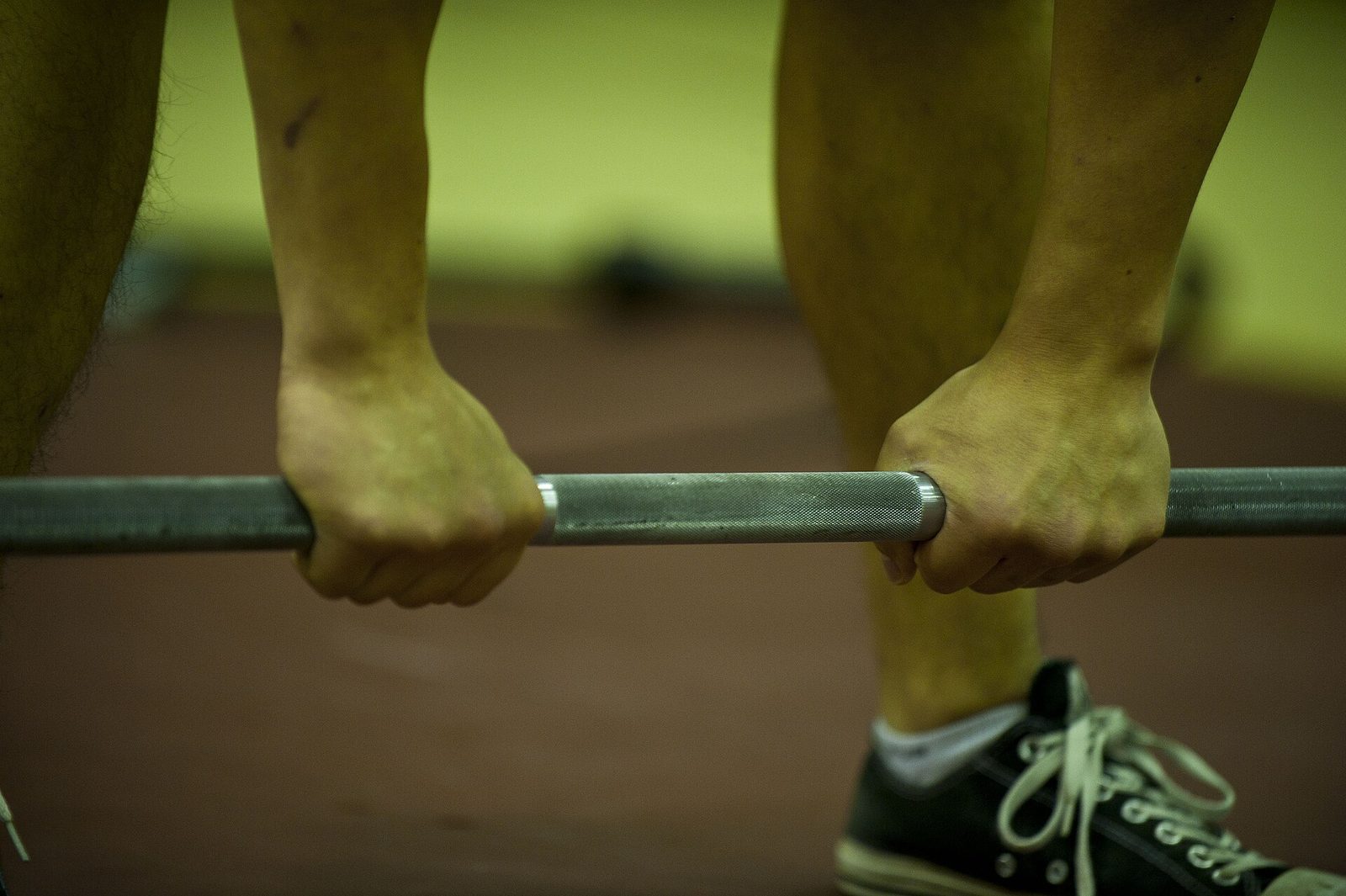
Martine Barons, a University of Warwick academic then in her early sixties, spent the lockdown learning how to deadlift.
A colleague who worked as a personal trainer showed her the lift. Around the same time she attended a seminar on menopause and weightlifting, and something clicked. She kept going. In mid-September 2026, aged 65, she won the AWPC World Powerlifting Championships in the 65–85 age group — her third world title in under three years.
What changed
What is striking in her interviews is not the medals. It is how ordinary the benefits sound.
“I have seen such a huge change in my own physique and my capabilities – I am sure that my body is at least 20 years younger.” — Martine Barons, speaking to BBC CWR
“My posture is better and I just feel more capable and more confident in everyday life.”
And the one that lands hardest for anyone with grandchildren:
She can move furniture at home, she said, and throw her grandchildren in the air.
That is what strength training is actually for after 50. Not the platform, not the singlet — the furniture, the grandchildren, the suitcase in the overhead locker, the decades of independence that follow from being strong enough to get up off the floor.
Why this matters more than cardio
Muscle mass declines by roughly 3–8% per decade after 30, and faster after 60, unless something is done about it. The something is resistance training. Walking is wonderful and we will never talk you out of it, but walking does not stop that loss. Lifting does — and the research on people in their 60s, 70s and 80s taking up strength training shows measurable gains within weeks, not years.
Barons did not start at the world championships. She started with one movement, shown to her by one person, in a year when there was not much else to do.
What she did right
- She was shown the movement properly. A colleague who was a trainer taught her the deadlift. Form first.
- She had a reason that made sense to her. The menopause-and-weightlifting seminar gave her a why beyond “getting fit”.
- She said yes to competing. Asked about her invitation to the British and European Championships, her answer was disarmingly simple: “I have been invited it would be rude not to go.”
That last line might be the best advice on this site. Somebody, at some point, will invite you to do something slightly beyond you. Go.
Sources
- 'Deadlifting grandma: I'm a world champion' — BBC CWR, via Yahoo Sports, 17 September 2026
- 65-year-old grandmother crowned world champion for third time — People, 26 September 2026
Quotes are taken from the sources above. We link to the original reporting so you can read the full story.
Was this one for you?