Explore the lava caves at Craters of the Moon
A friend has invited you to do this with them.
On the sagebrush plains of southern Idaho, Craters of the Moon is a landscape of black lava, cinder cones and lava tube caves that President Coolidge protected in 1924 as "a weird and scenic landscape." A 7-mile loop road links the highlights, and with a free permit you can walk into the caves.
ModerateUnder £100 / $130An afternoonOutdoorsAlone or with othersIdaho
Pick a day or month, get a step-by-step plan, and see it in My year and your own calendar.
No date: keep it on your list for some day. See my list
In my year: See it in My year See the plan
Christmas present ideas for someone who wants to explore the lava caves at Craters of the Moon
Presents that help someone get started, drawn from this page. They are ideas, not recommendations: we have not tested any of the products, so check sizes and details before you buy.
Kit to give
- HeadlampAmazon the lava tubes are unlit
- Sturdy bootsAmazon for rough lava rock
Or give your company
Some of the best presents cost little: offer to go along the first time. Print a promise card to put under the tree.
Some of these are affiliate links: if you buy or book through them we may earn a commission at no extra cost to you. Amazon links are searches, so compare what comes up.
More Christmas gift ideas for people who love doing things Stocking fillers
What it's really like
Most of the park's best-known features sit along the 7-mile Loop Road, with numbered stops on the park map. The walk up Inferno Cone is short but steep, about 0.2 miles, and from the top you see cinder cones lined up along the Great Rift. The park has more than 25 cinder cone volcanoes and is considered dormant, not extinct.
The caves are at Stop 7, with trails to Dewdrop Cave, Beauty Cave, Boy Scout Cave and Indian Tunnel. A free permit is needed to enter any cave, to protect bats from white-nose syndrome; all adults in the group must be there to get it, and annual or senior passes do not count. You cannot take in clothing, shoes or gear that has been in another cave or mine, even if washed.
In winter the Loop Road closes to cars and is groomed for cross-country skiing and snowshoeing, and Indian Tunnel and Dewdrop Cave close for ice and snow.
How to start
- Pick up a free cave permit at the visitor center or entrance station before going underground.
- Drive the 7-mile Loop Road, climbing Inferno Cone and peering into the Spatter Cones.
- End at the Caves Area, where Indian Tunnel is the largest and most accessible cave.
Where to go
We opened these links on 22 November 2026 and found them to be what we say. Dates, places and prices are on the official page, where they stay up to date.
Add to my year
Pick a day or month, get a step-by-step plan, and see it in My year and your own calendar.
Your dated plan
Choose when, and we will set out how to get ready, step by step, with a date and a reason for each. The hard part of a day out is the timing: the right season, tickets and getting there. The plan watches the calendar for you.
Or just want the links? Plan it yourself Free
The links you need to book it, get there, find somewhere to stay and eat, and see what else there is to do nearby. They are searches for you to run; nothing is saved.
Show the links
Questions people ask
Do you need a permit for the caves at Craters of the Moon?
Yes. A free cave permit from the visitor center or entrance station is required, and all adults in your group must be present to get it.
Which cave is best at Craters of the Moon?
The NPS calls Indian Tunnel the most popular, largest and most accessible cave.
Is Craters of the Moon open in winter?
Yes, but the Loop Road closes to vehicles and is groomed for skiing and snowshoeing, and the main caves close for ice.
Where this comes from: NPS, White-nose syndrome and cave permitting; NPS, Frequently asked questions; NPS, Exploring Craters of the Moon, a ranger's top 10 tips; NPS, Caves; NPS, Current conditions; NPS History, Craters of the Moon brochure. Opened 22 November 2026.
Read next

An asteroid called Leilani, found by Todd Fisher in old telescope images, remembers a neighborhood lost to lava
How a citizen scientist with no training in astronomy found a new asteroid in eight-year-old telescope images, why he named it after Leilani Estates, and how to join the same search from a laptop.
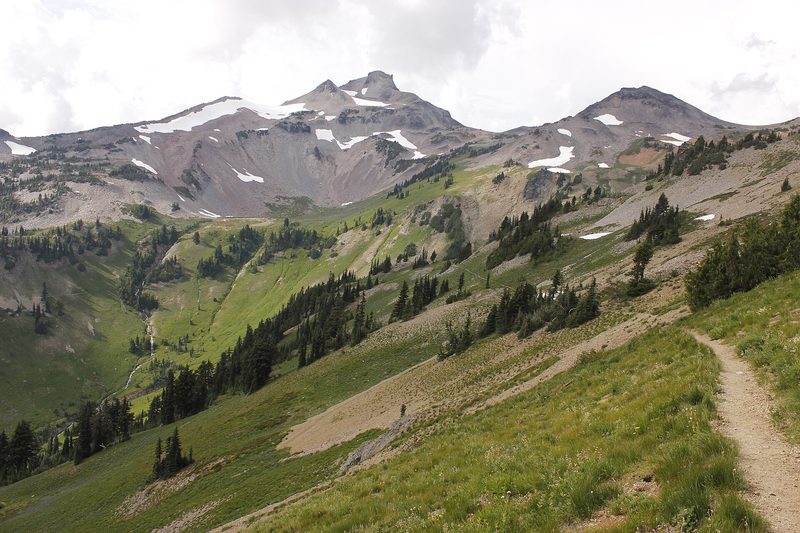
Six pairs of shoes and seven months on the Pacific Crest Trail took Nancy Zelick from Mexico to Canada
How a retired Intel researcher from Baker City, Oregon, walked the Pacific Crest Trail from Mexico to Canada in about seven months: the snow, the gear, the food and why she thinks pace mattered more than youth. How to start multi-day hiking, or build towards a long trail if you already walk.
More like this
Gentle · Nevada
Tour Lehman Caves and stargaze in Great Basin National Park
Moderate · Kentucky
Take a ranger-led tour inside Mammoth Cave
Moderate
Visit five national parks you have never been to
Moderate · South West England
Find your own fossil on the Jurassic Coast