Explore · 6 November 2026 · 3 min read
An asteroid called Leilani, found by Todd Fisher in old telescope images, remembers a neighbourhood lost to lava
Todd Fisher, a volunteer with a background in economics and political science, took up astronomy in 2023. Searching archive images from the Subaru Telescope on Maunakea, he found a small body nobody had recorded. In April it was officially named Leilani, after the Hawaiian neighbourhood the 2018 Kīlauea eruption swept away.
On 2 January 2017 the Subaru Telescope, high on Maunakea in Hawaiʻi, photographed a patch of sky. Among the fixed stars and galaxies in those images was a faint dot that moved. It went unrecorded until a volunteer went looking, years later.
The person who did was Todd Fisher, a volunteer in the United States whose background is in economics and political science, not astronomy. In April 2026 the International Astronomical Union’s Working Group for Small Bodies Nomenclature published the dot’s new name: (870437) Leilani.
A dot that moves
Fisher came to astronomy in 2023, when a friend told him about COIAS (Come On! Impacting ASteroids), a web application built by a team in Japan. It lets anyone search archive images from Subaru’s Hyper Suprime-Cam camera for small bodies that have never been recorded. All you need, says the citizen-science directory SciStarter, is a computer and a web browser.
The work is a matter of comparing images taken at different times. Fisher described it to the Hawaii Tribune-Herald: the stars and galaxies stay perfectly still, and the asteroids worm their way across the screen in a line. He spends an hour or two on it most nights, and says it helps him wind down.
Most of what he finds is already known. Over three years he has measured thousands of minor planets, he told Maunakea Observatories, and this is the only one he has discovered himself.
“Usually, they turn out to be known asteroids, so I was thrilled that this one was brand new.” — Todd Fisher, to the Hawaii Tribune-Herald
He is careful to share the credit. Fellow volunteers, professional astronomers and the big sky surveys all supplied the extra observations needed to pin down the asteroid’s orbit, he told the Subaru Telescope.
Naming it for a place
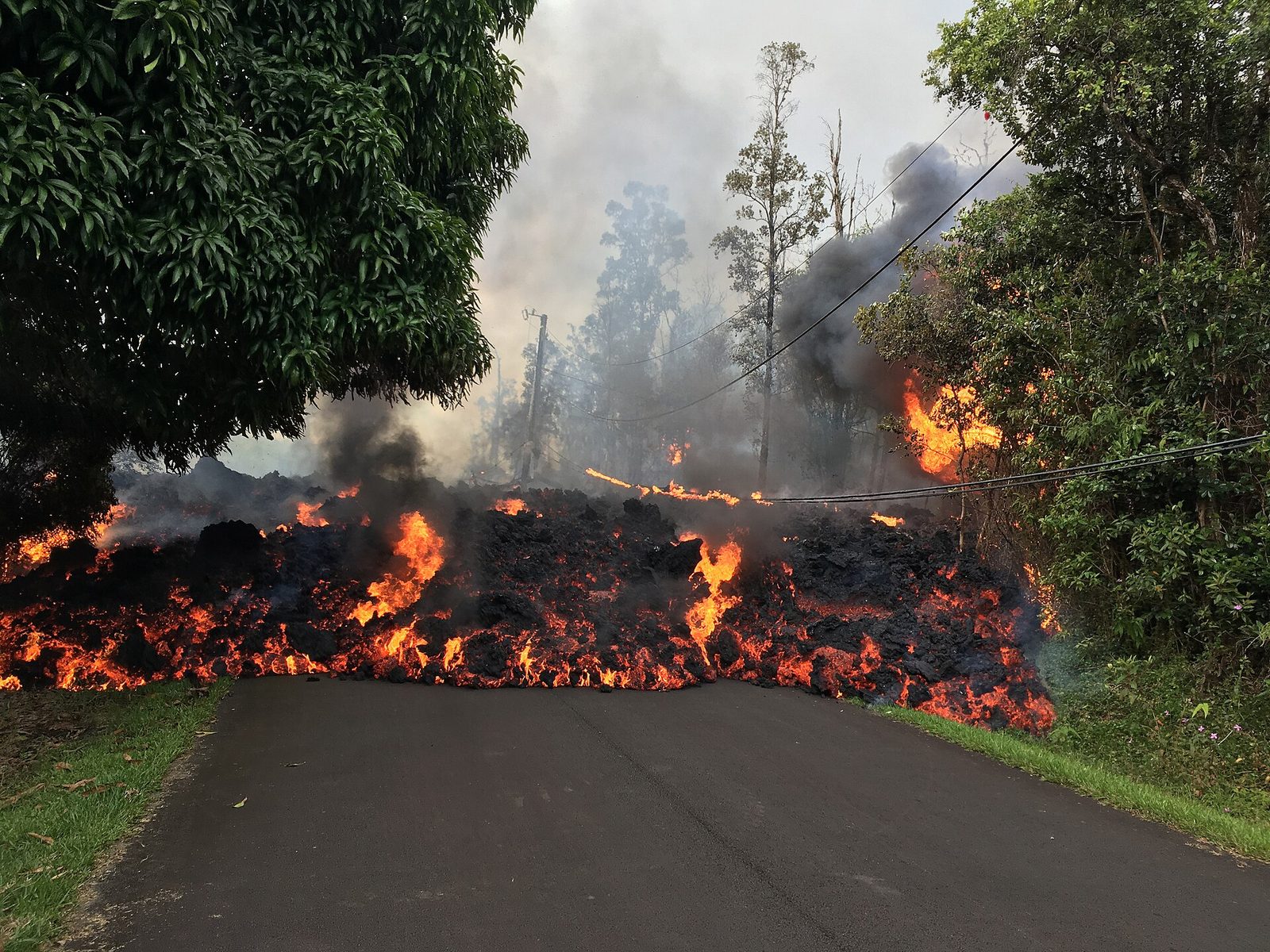
Once an orbit is confirmed, the discoverer may propose a name. Fisher’s sister, nieces and close friends had lived in Leilani Estates, a subdivision in Puna on Hawaiʻi Island that was largely wiped out by the 2018 Kīlauea eruption. His sister had a small macadamia nut farm there and lost her home. Before choosing the name, he asked people from the community what they thought.
The name splits into two Hawaiian words: lei, a garland of flowers, and lani, heaven.
“So we thought, okay, flowers in heaven — that’s an asteroid for sure.” — Todd Fisher, to the Hawaii Tribune-Herald
The COIAS team, all based in Japan, took particular care over the spelling and meaning, team member Kenichi Ito told the Subaru Telescope, with help from Fisher, local residents and a member of the telescope’s staff. Leilani is the first COIAS asteroid with a Hawaiian name.
“I hope they remember the good places and the good times. Don’t focus on the bad times.” — Todd Fisher, to Maunakea Observatories
Why this matters
Telescopes now collect far more images than professionals can examine. COIAS is one answer. By July 2026, the Subaru Telescope says, more than 3,000 people had taken part, and the project had contributed to the provisional designation of more than 9,300 small solar system bodies. Nine of its asteroids have been named, after family members, meaningful places and people their discoverers admire.
That is real work for real science, and none of it needs a dark sky, a cold night or a telescope of your own. Fisher’s own view is that the human brain is good at spotting patterns, so almost anybody could do it.
How to start
Begin with the walk-through. Fisher points beginners to the guide on the COIAS website and its YouTube walk-through, and SciStarter lists the project with others like it. If you would rather start with pictures you can name, the astronomy projects on Zooniverse work the same way: a short tutorial, then real data.
Keep a simple log of the date, the time spent and what you measured, so you can see your eye improve. Then take the habit outdoors: our stargazing guide covers what to see and where to look through a proper telescope. For another volunteer whose patience paid off, read how Trevor Barry’s backyard telescope caught a ten-sided wave on Saturn.
Sources
- Amateur astronomer names asteroid in honor of Leilani Estates — Honolulu Star-Advertiser (Grace Inez Adams, Hawaii Tribune-Herald), 25 July 2026
- A Discovery Rooted in Community: How a Citizen Scientist's Discovery Brings Leilani to the Stars — Maunakea Observatories (Olivia Cropper), July 2026
- Asteroid Discovered through COIAS Receives Hawaiian Name — Subaru Telescope, National Astronomical Observatory of Japan, 5 August 2026
- COIAS (Come On! Impacting ASteroids) — SciStarter
Quotes are taken from the sources above. We link to the original reporting so you can read the full story.
Was this one for you?