Go to a Death Cafe
A friend has invited you to do this with them.
At a Death Cafe a small group of people, often strangers, drinks tea, eats cake and talks openly about death, with no speaker, no agenda and nothing to sell. The organisers say the aim is to raise awareness of death so people can make the most of their finite lives.
GentleFreeAn afternoonIndoorsWith othersUK and US
Christmas present ideas for someone who wants to go to a Death Cafe
Presents that help someone get started, drawn from this page. They are ideas, not recommendations: we have not tested any of the products, so check sizes and details before you buy.
Kit to give
- NotebookAmazon to jot down thoughts or questions you want to follow up afterwards
- Cake tinAmazon to bring something to share if you host
Or give your company
Some of the best presents cost little: offer to go along the first time. Print a promise card to put under the tree.
Some of these are affiliate links: if you buy or book through them we may earn a commission at no extra cost to you. Amazon links are searches, so compare what comes up.
More Christmas gift ideas for people who love doing things Stocking fillers
What it's really like
A Death Cafe is a group-led conversation about death, over tea and cake. There is no set topic, and the hosting guide actively discourages guest speakers and information handouts. Jon Underwood and Sue Barsky Reid developed the model from the ideas of Bernard Crettaz, and the first UK Death Cafe was held at Underwood's home in Hackney, east London, in September 2011. As listed in November 2026, the site counted 25,152 Death Cafes offered in 100 countries since then, in cafés, homes, cemeteries, a yurt and the Royal Festival Hall.
Every Death Cafe signs up to the same principles. It is not for profit. It is confidential and respectful. Nobody is steered towards a conclusion, product or course of action. And it is a discussion group, not bereavement support or grief counselling; hosts are asked to know where to point anyone who needs more support.
The guide gives the average session as around two hours. In the café model one facilitator stays with a group of ideally 6 to 12 people; in the salon model, suited to larger events, groups of usually 4 to 8 run themselves while facilitators move between them.
Going or hosting
| Option | What it involves | Cost (as last listed) |
|---|---|---|
| Attend a Death Cafe | Find one on the deathcafe.com listings or worldwide map; some take bookings | Free, or a voluntary donation |
| Host one, café model | A host to organise and a facilitator to run it (can be the same person); 3 to 20 people, ideally 6 to 12 | Must not charge a ticket price; look for free or low-cost rooms |
| Host one, salon model | For larger events; self-run tables of 4 to 8 with roaming facilitators | As above |
Hosts post their event at deathcafe.com and sign up to its terms; the site can reject events that do not fit its principles. No formal qualification is needed to facilitate, but the guide asks for group facilitation skills and the ability to talk about all aspects of death and dying calmly.
How to start
- Look up forthcoming Death Cafes near you, or online, in the listings or on the worldwide map at deathcafe.com.
- Go along without preparing anything; the group decides what it talks about.
- If you enjoy it, read the site's guide to hosting and consider running one yourself.
Where to go
We opened these links on 20 November 2026 and found them to be what we say. Dates, places and prices are on the official page, where they stay up to date.
Plan this
Two ways to plan it.
Plan it yourself Free
The links you need to book it, get there, find somewhere to stay and eat, and see what else there is to do nearby. They are searches for you to run; nothing is saved.
Show the links
Plan it with dates
Pick a day, or a month, and we will set out how to get ready, step by step, with a date and a reason for each. The hard part of a day out is the timing: the right season, tickets and getting there. The plan watches the calendar for you.
Questions people ask
What happens at a Death Cafe?
People sit in small groups with tea and cake and talk about death in whatever direction the group takes. There is no agenda, speaker or sales pitch.
Is a Death Cafe a grief support group?
No. The organisers say it is a discussion group, not bereavement support or counselling.
How much does a Death Cafe cost?
Nothing to attend, though some ask for a donation. The organisers say Death Cafes never have a ticket price or exclude someone who cannot afford to donate.
Can I run my own Death Cafe?
Yes. Follow the guide at deathcafe.com, find a facilitator with group skills (or facilitate yourself), choose a free or low-cost venue and post the event on the site.
Where this comes from: Death Cafe, What is Death Cafe?; Death Cafe, Holding your own Death Cafe; Death Cafe, home page (listings and worldwide map). Opened 20 November 2026.
Read next
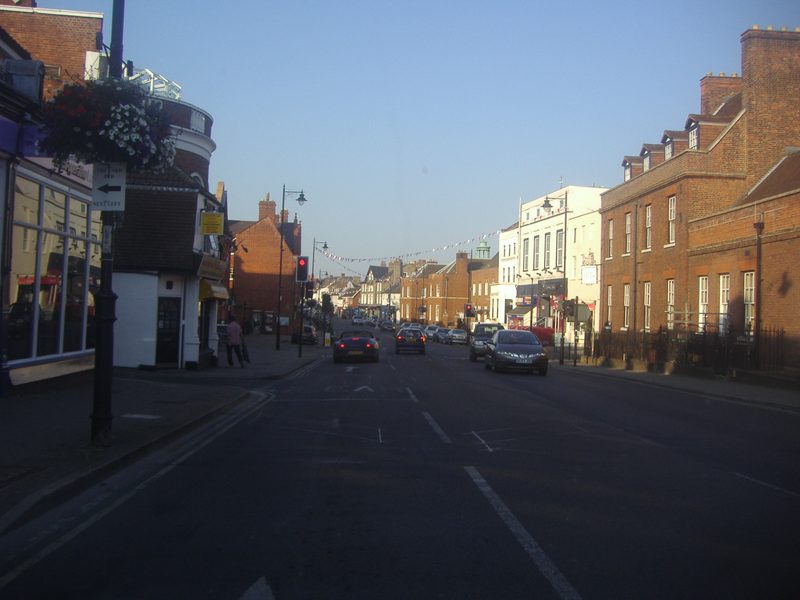
Brenda Willison, Newmarket's town crier, took two Guinness records with one oyez
How Brenda Willison, a former catering manager, became a town crier in 1987, cried at Buckingham Palace and the River Kwai, and in 2026 set Guinness World Records for the loudest shout by a woman and the loudest female town crier; and how to use, train and look after your own voice, from a choir to a crier's competition.
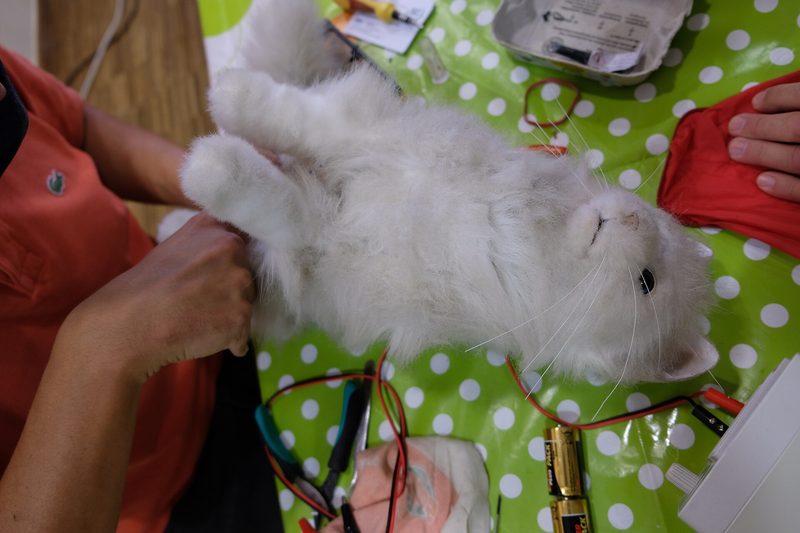
Toasters, fans and a red vacuum: the Cincinnati volunteers who have mended nearly 1,400 cast-offs
Cincinnati's Tinker Team has restored nearly 1,400 household electronics in a year and a half, with no budget for parts and no experience needed to join. What they fix, why repair is worth learning, and how to find a repair event near you.
More like this
Moderate
Volunteer at a hospice
Gentle
Become a telephone befriender
Gentle
Host a Macmillan Coffee Morning
Gentle
Join a book club