Hike to the top of Half Dome
A friend has invited you to do this with them.
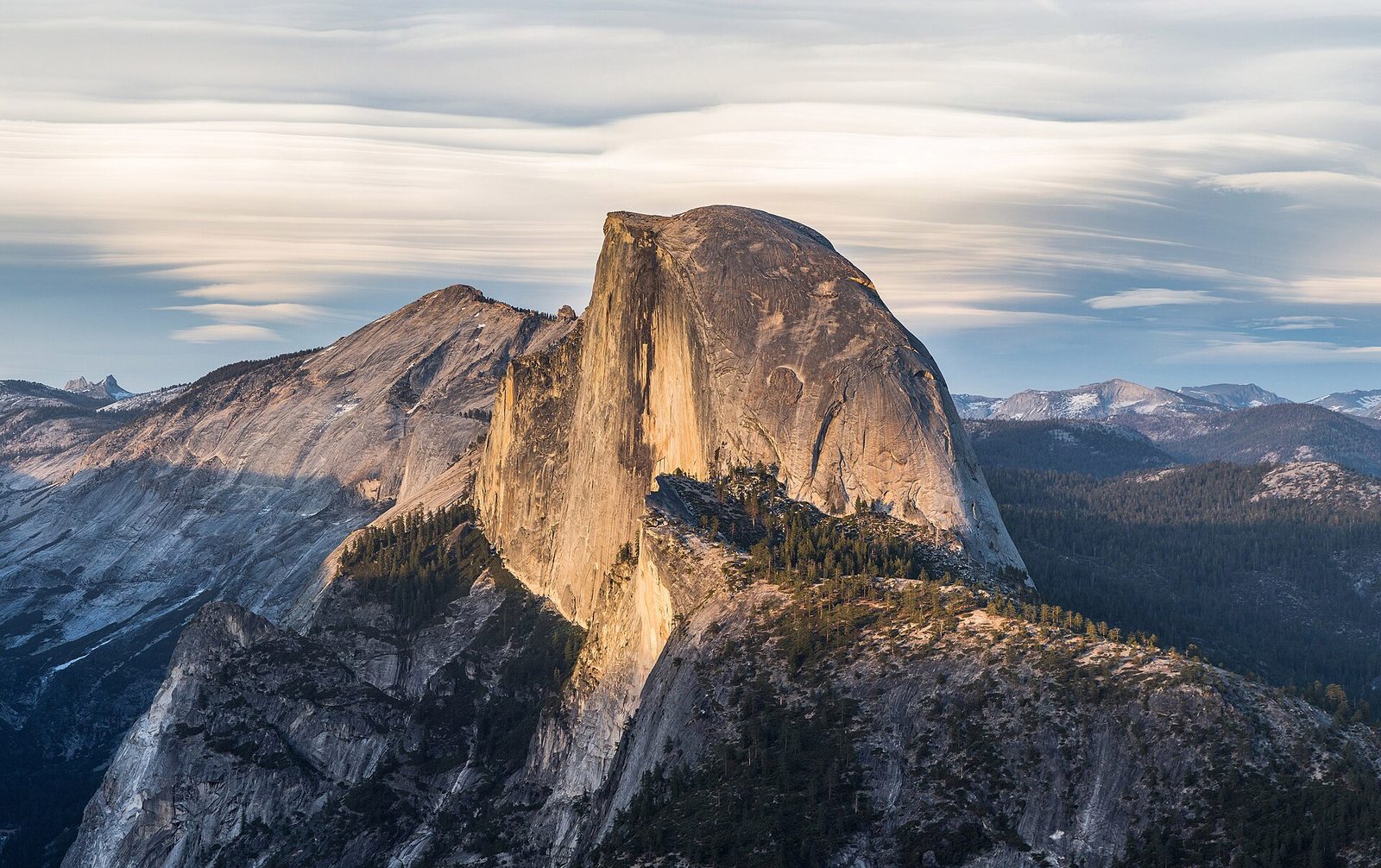
Yosemite's most recognisable summit is reached by a 14 to 16 mile round trip with 4,800 feet of climbing. The last 400 feet go up bare granite between two steel cables, which is unlike anything else on a walking route.
Demanding£100 to £500 / $130 to $650MonthsOutdoorsAlone or with othersCaliforniaSummer, when the cables are up
Someone who has done it
These are real people who did this, as reported by the outlets named. We opened each one before linking it. None of them is connected with this site.
What it's like
Half Dome rises nearly 5,000 feet (about 1,500 metres) above the floor of Yosemite Valley, to 8,800 feet (about 2,680 metres) above sea level. The day hike is 14 to 16 miles (23 to 26 km) there and back with about 4,800 feet (1,460 metres) of climbing, and the National Park Service says most hikers take 10 to 12 hours, some longer.
Most people start at Happy Isles (shuttle stop 16) and share the first part of the way with the Vernal and Nevada Falls trail, then continue past Little Yosemite Valley. The summit is typically 15 to 20°F (8 to 11°C) cooler than the valley, and wind is common.
The cables
Two metal cables let hikers climb the last 400 feet (about 120 metres) of bare granite without climbing equipment. They are usually put up on the Friday before Memorial Day and taken down the day after the second Monday in October, but the dates can change with conditions.
The park says relatively few people have fallen and died on the cables since 1919, and that nearly all fatal falls happened when the rock was wet. Do not start up the cables if there are storm clouds about or the rock is wet. Be patient with slower hikers, let faster ones pass where you can, and stay on the inside of the cables. Sturdy gloves with a good grip help; pack them out afterwards.
Getting a permit
| What | Preseason lottery | Daily lottery |
|---|---|---|
| When you apply | 1 to 31 March | Two days before your hike (midnight to 4 pm Pacific) |
| Results | Mid-April by email | Late that night by email |
| Who goes on it | Up to six people; name an alternate if you can | The permit holder only; no alternate |
A permit is needed every day the cables are up, for anyone going beyond the base of the subdome, where rangers check them. The park allows up to 300 people a day, about 225 day hikers and 75 backpackers (who get theirs with a wilderness permit). Bring photo ID and the email confirming the permit is paid. Permits cannot be passed to someone else.
What to carry
- Well broken-in boots with good ankle support and grip. Blisters and ankle injuries are among the most common injuries on the trail.
- Water. The park says carry at least 1 quart (1 litre) to the top of Vernal Fall, 2 quarts (2 litres) to the top of Nevada Fall and 1 gallon (4 litres) to the top of Half Dome. The only treated water is a summer drinking fountain at the Vernal Fall footbridge; river water must be boiled, treated or filtered.
- Salty snacks, to go with the water.
- A headlamp or torch with spare batteries. The park is plain that a phone does not count, and many hikers struggle coming down in the dark without one.
- A map and compass, and the skill to use them.
- {"Keep food within arm's reach or on your back": 'bears are common and will take packs.'}
Timing and turning back
Leave around sunrise or earlier and set a firm turnaround time; the park's own example is 3.30 pm, after which you turn back whether you have reached the top or not. Thunderstorms are more common in the afternoon, and the summit is a dangerous place in a lightning storm, so if one is near, do not go on; if you are on top, leave.
The park also warns of heat exhaustion, dehydration and hyponatremia (low blood sodium), and of altitude sickness. A severe headache with nausea is a reason to go down.
How to start
- Read the National Park Service Half Dome page and its permit page in full.
- Apply for a day-hike permit through the preseason lottery, or try the daily lottery.
- Train with long hill days, as most hikers take ten to twelve hours.
Where to go
We opened these links on 2 November 2026 and found them to be what we say. Dates, places and prices are on the official page, where they stay up to date.
Plan this
Pick a day, or a month, and we will set out how to get ready, step by step, with a date and a reason for each. The hard part of a day out is the timing: the right season, tickets and getting there. The plan watches the calendar for you.
Questions people ask
How long does the Half Dome hike take?
Most hikers take 10 to 12 hours for the 14 to 16 mile (23 to 26 km) round trip, and some take longer.
Do I need a permit to hike Half Dome?
Yes, every day the cables are up, to go beyond the base of the subdome. Apply in the preseason lottery in March, or in the daily lottery two days before your hike.
When are the Half Dome cables up?
Usually from the Friday before Memorial Day to the day after the second Monday in October. The dates can change, so check the park's conditions page.
How dangerous are the Half Dome cables?
The park says relatively few people have died on the cables since 1919, and nearly all fatal falls were on wet rock. Stay off them if the rock is wet or a storm is near.
How much water do I need for Half Dome?
The park says at least 1 gallon (4 litres) to the top, more in hot weather. Any water from the river must be treated before you drink it.
Where this comes from: National Park Service, Half Dome day hike; National Park Service, Half Dome permits for day hikers. Opened 2 November 2026.
Read next
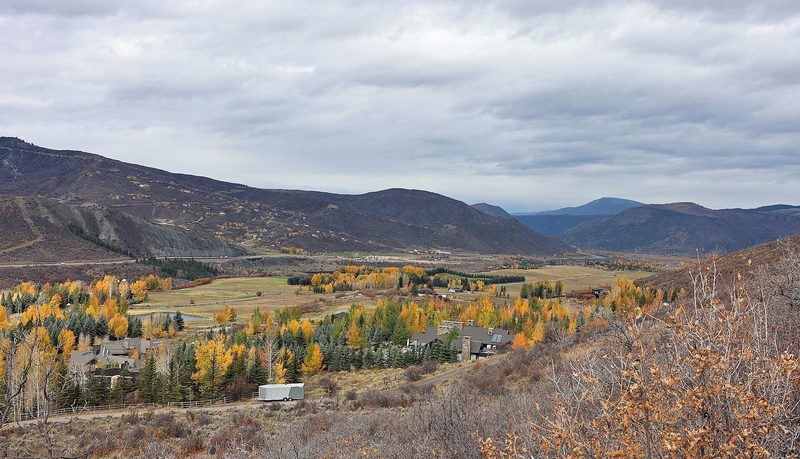
No one left behind on the Expresso trail: fifteen years of Tuesday rides with Girls Outside
How a group of women in Colorado's Roaring Fork Valley turned a Tuesday mountain bike ride into a 15-year habit: the motto, the tailgate and why the group keeps them riding. How to start mountain biking on easy graded trails, or ride harder terrain with a group if you already ride.
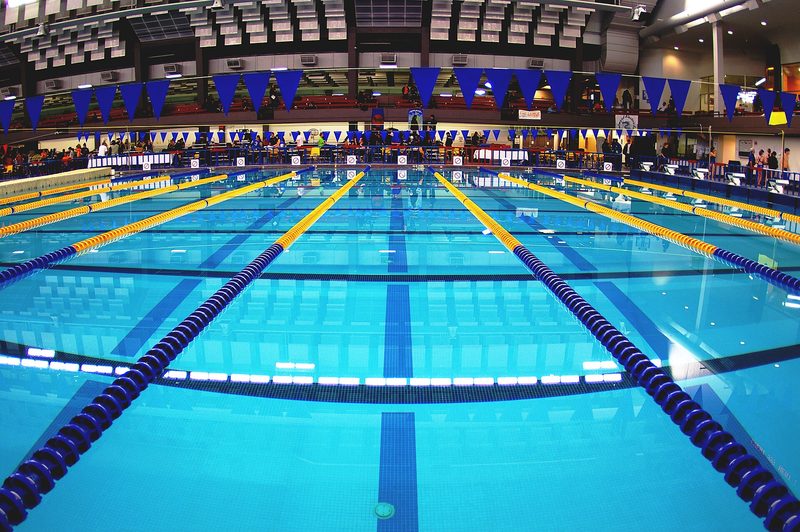
Watching a swimmer from an exercise bike led Sola Alegbe from a lifelong fear of water to teaching it
How a Londoner who nearly drowned as a child learned to swim at 48, left her job at Transport for London and qualified as a swimming teacher. What the first lesson is really like, and how to start if water frightens you, or go further if you already swim.
More like this
Demanding · Scotland
Climb Ben Nevis
Demanding · Wales
Climb Yr Wyddfa (Snowdon)
Demanding · North West England
Climb Scafell Pike
Demanding · California
Hike to the summit of Mount Whitney