Things to do · Arts and crafts
Learn calligraphy
A friend has invited you to do this with them.
A broad-edged pen and a steady rhythm turn ordinary handwriting into lettering worth framing. Calligraphy societies run local groups, online courses and tutors for complete beginners on both sides of the Atlantic.
GentleUnder £100 / $130A few weeksIndoorsAlone or with othersUK and US
Someone who has done it
These are real people who did this, as reported by the outlets named. We opened each one before linking it. None of them is connected with this site.
What you need
- A pen. North Seattle College's beginners' class uses a Pilot Parallel pen. A calligraphy supplier suggests a William Mitchell Round Hand nib for broad-edged lettering, or a Nikko G nib for pointed-pen styles such as Copperplate.
- Smooth calligraphy paper or a good layout pad. The same supplier says printer paper will feather and bleed with most calligraphy inks.
What it's really like
CLAS admits calligraphy can be frustrating when a nib will not work or you cannot fit a reservoir, and its beginners' guides page has videos on ink flow and tips for left-handers. A supplier's guide suggests short, regular practice: 15 to 20 minutes, three or four times a week.
| Way in | Format | Cost (as last listed) |
|---|---|---|
| CLAS LiveOnline (UK, online) | Beginners' courses of four two-hour sessions in Foundational, Roman Capitals or Copperplate | £95 members, £120 non-members |
| City Lit, London | Ten three-hour sessions for complete beginners; no equipment needed for the first | £499, or £399 senior |
| Society of Scribes and Illuminators | A 24-lesson correspondence course in four units, or a Fellow as a private tutor | £250 a unit of six lessons; tutors £60 an hour (£50 for members) |
| Washington Calligraphers Guild (US) | A list of teachers and classes, including community colleges and Smithsonian Associates | See each class |
How to start
- Find a local group or an online beginners' course through the Calligraphy and Lettering Arts Society (UK) or a guild such as the Washington Calligraphers Guild (US).
- Start with one hand, such as Foundational or Italic, and a beginner's pen or a broad nib.
- Practise for 15 to 20 minutes three or four times a week rather than in long sessions.
Where to go
- Calligraphy and Lettering Arts Society (CLAS): groups and courses UK
- Society of Scribes and Illuminators: tutors and correspondence course UK
- Washington Calligraphers Guild: classes US
We opened these links on 7 November 2026 and found them to be what we say. Dates, places and prices are on the official page, where they stay up to date.
Plan this
Pick a day, or a month, and we will set out how to get ready, step by step, with a date and a reason for each. Courses and classes have start dates and can fill up, so the plan begins with finding and booking one. Kit comes after the first session, once you know what you need.
Questions people ask
What pen should a beginner use for calligraphy?
A Pilot Parallel pen is used on North Seattle College's beginners' class. For dip pens, one supplier suggests a William Mitchell Round Hand nib for broad-edged lettering.
Is calligraphy hard to learn?
It takes patience. CLAS says it can be frustrating when you cannot get a nib working or fit a reservoir, and a supplier suggests short, regular practice.
Can I learn calligraphy online?
Yes. CLAS runs LiveOnline beginners' courses, and the Society of Scribes and Illuminators has a 24-lesson correspondence course.
What paper is best for calligraphy practice?
Smooth calligraphy paper or a good layout pad. Printer paper feathers and bleeds with most calligraphy inks.
Where this comes from: Calligraphy and Lettering Arts Society, home page; Calligraphy and Lettering Arts Society, CLAS LiveOnline; Calligraphy and Lettering Arts Society, Beginners' guides; Society of Scribes and Illuminators, Tutors; City Lit, Calligraphy: 10 projects for beginners; Washington Calligraphers Guild, Classes; North Seattle College, Calligraphy for beginners; Scribblers Calligraphy, What do I need to start calligraphy? (2026). Opened 7 November 2026.
Read next

“Education has no expiration”: Virginia Ordaz and her mother finished their degrees in the same class
How a retired fire dispatcher from Stockton, California, finished the degree she started in 1989, and how her mother finished hers more than 40 years after her last class. How to find out what your own old credits are worth, in the US and the UK.
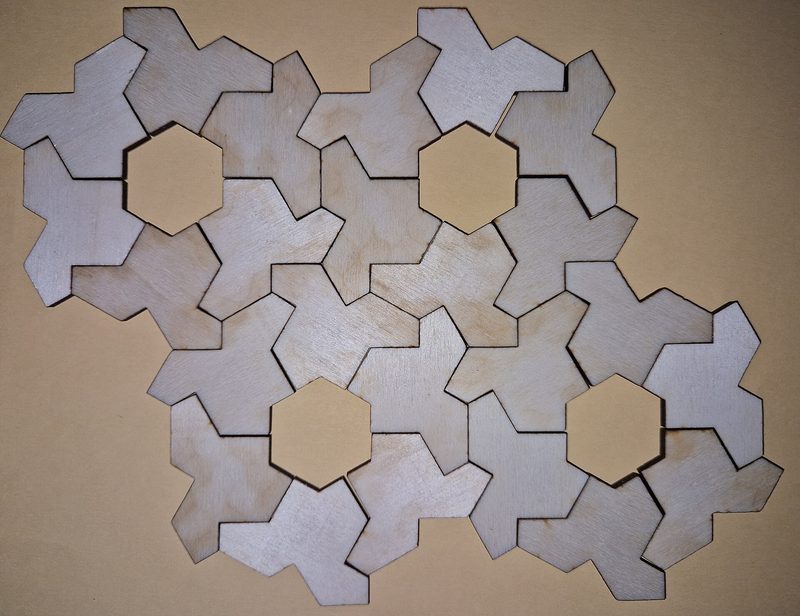
Sixty paper hats on a table in Bridlington: David Smith and the shape mathematicians had sought for decades
David Smith of Bridlington, a hobbyist with no training in mathematics, found 'the hat': the first single shape known to cover a flat surface only in patterns that never repeat. How he found it, why he could not prove it alone, and the free tools that let you put the same tiles on your own table.