Things to do · Arts and crafts
Make a linocut print
A friend has invited you to do this with them.
Carve a design into a block of lino, roll ink over it and press paper onto it, and you can pull the same picture again and again. A one-day class or a short evening course is enough to go home with your own block and prints.
GentleUnder £100 / $130An afternoonIndoorsAlone or with othersUK and US
How a linocut is made
- Draw your design on the lino.
- Cut round the shapes with a V tool, then clear larger areas with a U tool. Whatever you cut away stays white.
- Roll a thin layer of ink onto an inking plate, then onto the block.
- Lay paper on the block and rub the back with a baren or a spoon, then peel it off. Plain 80 gsm copy paper is fine to start.
That is the method set out in a printmaking supplier's beginners' guide, which lists lino, cutting tools, a roller, ink, an inking plate and paper as the kit. A press is not needed.
The honest hard parts
The tools are sharp. One supplier's guide says to hold the handle in your palm rather than like a pencil and keep your other hand behind the blade. Another says always cut away from yourself, use a bench hook to stop the block slipping, and keep tools sharp, since a blunt tool needs more force and is harder to control.
Do not carve too deep, or you can go right through the lino. Cheap lino can crumble, and harder lino may need warming, for example for about 30 seconds with a hairdryer.
| Class | Format | Cost (as last listed) |
|---|---|---|
| City Lit, London | Evening linocut and woodblock courses | £249, or £199 senior and £162 concession |
| Pyramid Atlantic, Maryland | One six-hour beginners' day, materials included | $184, including a $25 materials fee |
| Penland School of Craft, North Carolina | Workshops of four days and longer; beginners welcome | See the school's page |
How to start
- Book a beginners' linocut or relief printmaking class at an adult education college or a print studio.
- Bring a few drawings or photos to work from.
- Once you have the knack, buy a small starter kit and keep printing at the kitchen table.
Where to go
- City Lit: printmaking courses for beginners (London) UK
- Penland School of Craft: printmaking and letterpress workshops (North Carolina) US
- Pyramid Atlantic Art Center: introduction to linoleum relief printmaking (Maryland) US
We opened these links on 7 November 2026 and found them to be what we say. Dates, places and prices are on the official page, where they stay up to date.
Plan this
Pick a day, or a month, and we will set out how to get ready, step by step, with a date and a reason for each. Courses and classes have start dates and can fill up, so the plan begins with finding and booking one. Kit comes after the first session, once you know what you need.
Questions people ask
What do I need to start linocut?
Lino, a set of cutting tools, a roller, block printing ink, an inking plate and paper. A baren or a spoon does the job of a press.
How do I cut lino safely?
Hold the tool in your palm, always cut away from yourself, keep your other hand behind the blade and use a bench hook to hold the block.
Do I need a printing press for linocut?
No. You can print by rubbing the back of the paper with a baren, a spoon or your hand.
Which lino tools should a beginner buy?
One supplier suggests a handle with interchangeable blades to start, with a V tool for outlines and a U tool for clearing.
Where this comes from: City Lit, Printmaking courses for beginners; Penland School of Craft, Printmaking and letterpress workshops; Pyramid Atlantic Art Center, Introduction to linoleum relief printmaking; Handprinted, Introduction to linocut for beginners (2021); Hickman Design, What is the best way to cut lino?. Opened 7 November 2026.
Read next
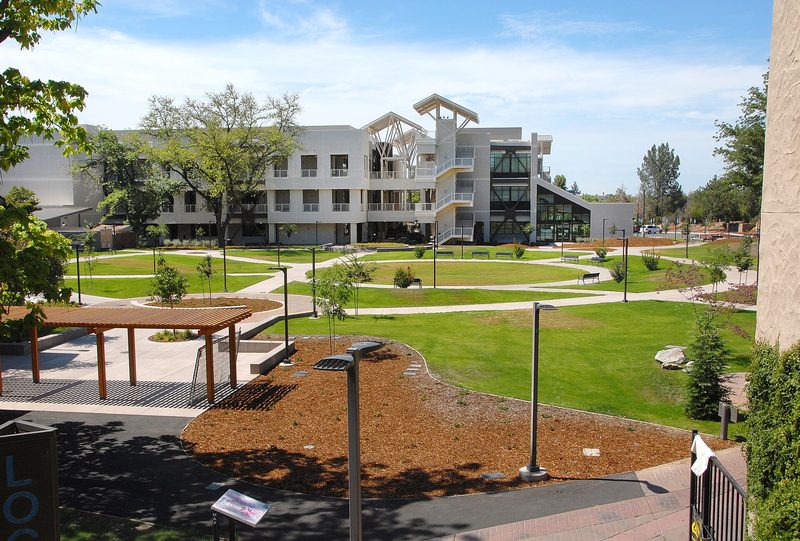
“Education has no expiration”: Virginia Ordaz and her mother finished their degrees in the same class
How a retired fire dispatcher from Stockton, California, finished the degree she started in 1989, and how her mother finished hers more than 40 years after her last class. How to find out what your own old credits are worth, in the US and the UK.
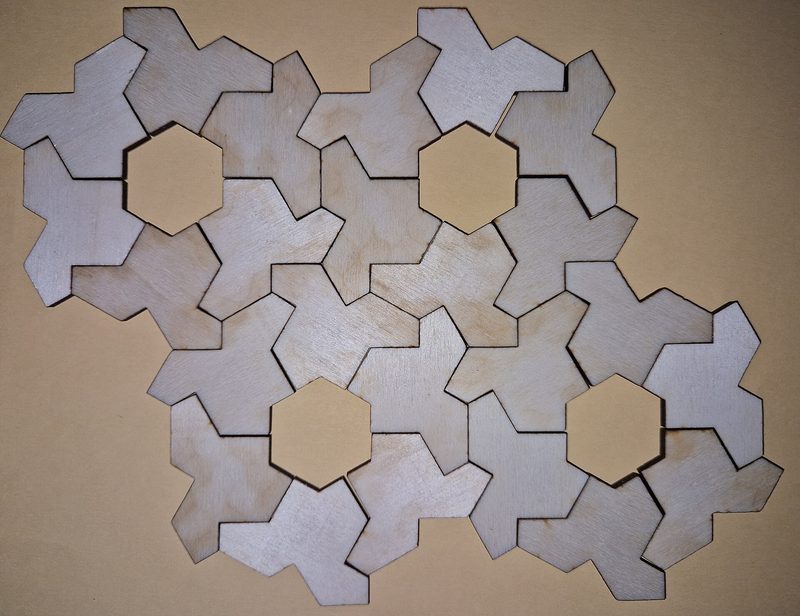
Sixty paper hats on a table in Bridlington: David Smith and the shape mathematicians had sought for decades
David Smith of Bridlington, a hobbyist with no training in mathematics, found 'the hat': the first single shape known to cover a flat surface only in patterns that never repeat. How he found it, why he could not prove it alone, and the free tools that let you put the same tiles on your own table.
More like this
Gentle
Learn to paint in watercolour
Gentle
Learn calligraphy
Gentle
Go to a life drawing class
Moderate
Make a stained glass panel
Gentle
Learn the ukulele
Gentle
Take a creative writing course