Things to do · Arts and crafts
Learn the ukulele
A friend has invited you to do this with them.
With four strings and a handful of chords you can strum along to songs within a few lessons, and ukulele groups meet in halls, pubs and libraries to play together. The u3a says about £35 buys a starter instrument and a tuner.
GentleUnder £100 / $130A few weeksIndoorsAlone or with othersUK and US
Someone who has done it
These are real people who did this, as reported by the outlets named. We opened each one before linking it. None of them is connected with this site.
What it's really like
The u3a, which runs ukulele groups across the UK, says you can start from absolute zero, need no music reading, and can play in just a few lessons, beginning with three or four easy chords. Its downloadable beginners' course covers choosing and tuning, strumming and the first 16 chords, and a second stage moves on to barre chords and fingerpicking.
The honest part, in the u3a's words: competence comes only from practice. Groups mostly strum chords to songs from the 1920s to today, reading from song sheets; one ukulele magazine notes that groups which only strum can sound monotonous, and some clubs add a workshop or an open mic.
Which ukulele to buy
| Size | Notes |
|---|---|
| Soprano | The smallest, about 21 inches (53 cm) long; the usual first choice |
| Concert | A little bigger; try it if your hands feel cramped on a soprano |
| Tenor | Larger again, tuned the same as soprano and concert (G-C-E-A) |
| Baritone | About 30 inches (76 cm), tuned like the top four strings of a guitar |
The u3a says £35 will buy a starter instrument and an electronic tuner. A beginners' guide warns against the very cheapest toy instruments, whose unstable tuning pegs can make a beginner think the problem is them. In the US, check your library: Nashville Public Library lends a ukulele, case, tuner and booklet for three weeks.
How to start
- Buy or borrow a soprano ukulele and an electronic tuner; some libraries lend them.
- Learn three or four easy chords from a beginners' course, such as the u3a's downloadable one.
- Find a local ukulele group or a u3a group and go along to a session.
Where to go
- u3a: ukulele subject page and beginners' course UK
- Nashville Public Library: borrow a ukulele (an example of library loans) US
- Meetup: ukulele groups
We opened these links on 7 November 2026 and found them to be what we say. Dates, places and prices are on the official page, where they stay up to date.
Plan this
Pick a day, or a month, and we will set out how to get ready, step by step, with a date and a reason for each. Courses and classes have start dates and can fill up, so the plan begins with finding and booking one. Kit comes after the first session, once you know what you need.
Questions people ask
Is the ukulele easy to learn?
The u3a says you can play in just a few lessons, starting from absolute zero with three or four easy chords and no need to read music.
Which ukulele size should a beginner buy?
A soprano, the smallest at about 21 inches. If your hands feel cramped, try a concert.
How much does a beginner ukulele cost?
The u3a says about £35 buys a starter instrument and an electronic tuner. Avoid the very cheapest, which may not stay in tune.
Where can I find a ukulele group?
Ask your local u3a, whose ukulele groups run across the country, or look for groups on Meetup and at your library.
Where this comes from: u3a, Ukulele subject page; UkeBuddy, Beginner: choosing a ukulele; Ukulele Magazine, Building a ukulele club (2023); Nashville Public Library, Borrow a ukulele; Meetup, Ukulele groups. Opened 7 November 2026.
Read next

“Education has no expiration”: Virginia Ordaz and her mother finished their degrees in the same class
How a retired fire dispatcher from Stockton, California, finished the degree she started in 1989, and how her mother finished hers more than 40 years after her last class. How to find out what your own old credits are worth, in the US and the UK.
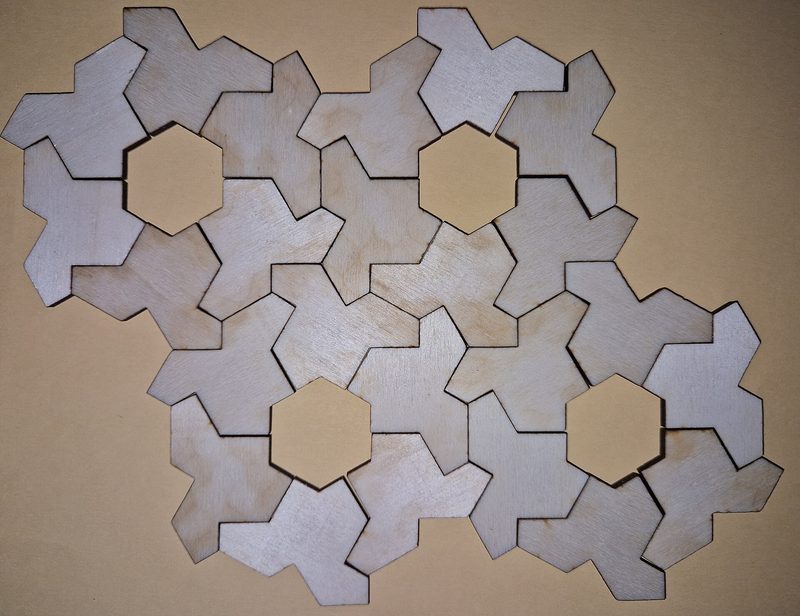
Sixty paper hats on a table in Bridlington: David Smith and the shape mathematicians had sought for decades
David Smith of Bridlington, a hobbyist with no training in mathematics, found 'the hat': the first single shape known to cover a flat surface only in patterns that never repeat. How he found it, why he could not prove it alone, and the free tools that let you put the same tiles on your own table.