Things to do · Arts and crafts
Make a terrarium
A friend has invited you to do this with them.
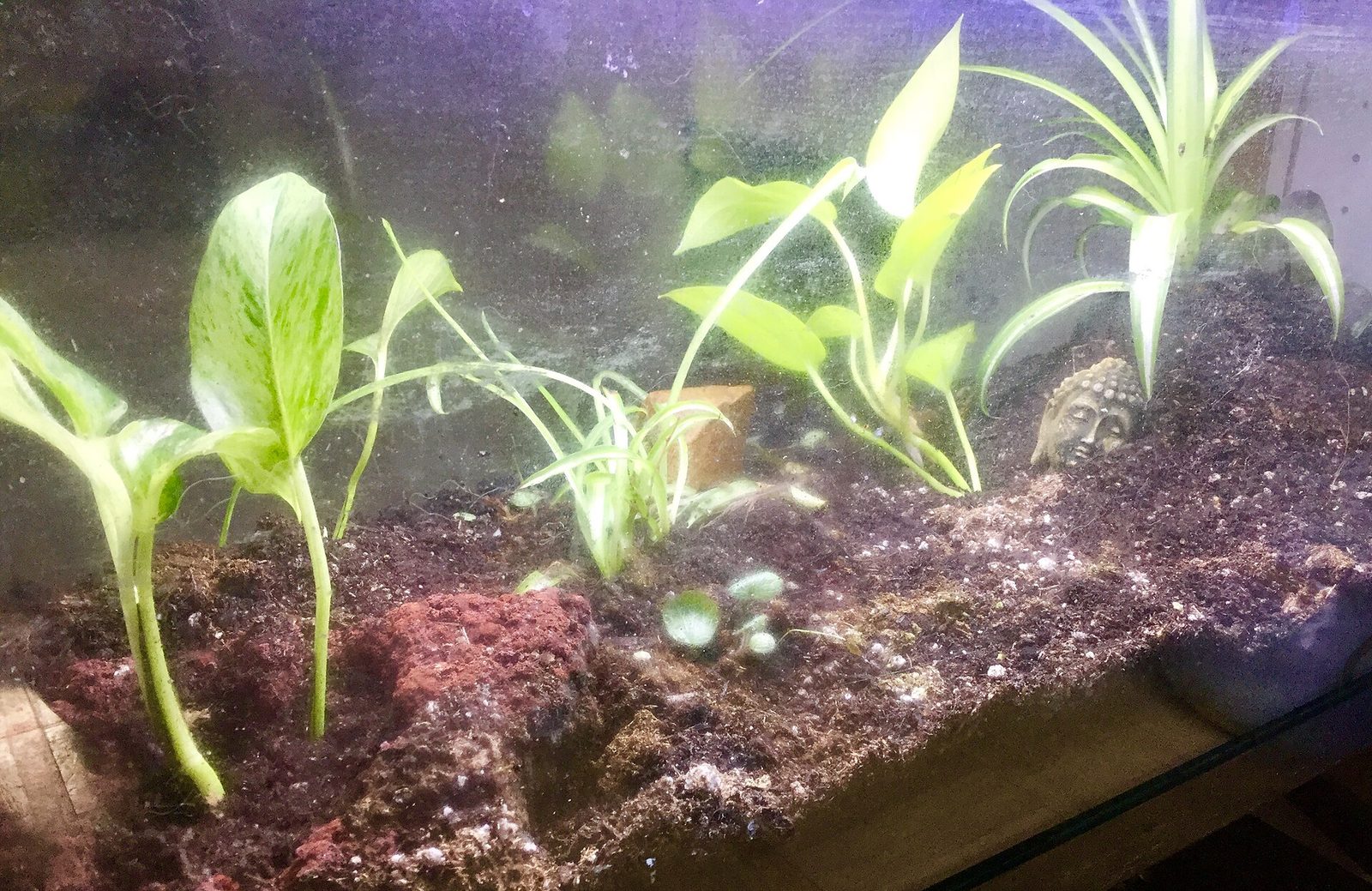
A terrarium is a small garden under glass. A closed one recycles its own moisture and may need watering only a few times a year, while an open one suits succulents and cacti; a two-hour workshop shows you how to layer and plant one to take home.
GentleUnder £100 / $130An afternoonIndoorsAlone or with othersUK and US
Christmas present ideas for someone who wants to make a terrarium
Presents that help someone get started, drawn from this page. They are ideas, not recommendations: we have not tested any of the products, so check sizes and details before you buy.
Kit to give
- Glass terrarium jar with lidAmazon the container for a closed terrarium
- Horticultural gritAmazon for mixing into the compost layer, as the RHS suggests
- Plant misterAmazon for watering sparingly down the inside of the glass
Or give your company
Some of the best presents cost little: offer to go along the first time. Print a promise card to put under the tree.
Some of these are affiliate links: if you buy or book through them we may earn a commission at no extra cost to you. Amazon links are searches, so compare what comes up.
More Christmas gift ideas for people who love doing things Stocking fillers
Closed or open, and how to build one
The RHS describes a closed terrarium as a sealed glass container that keeps humidity high by recycling moisture. It suits small, slow-growing tropical plants such as peperomias, fittonias, pileas, small-leaved ferns and Selaginella. An open terrarium lets moisture escape, so it needs watering more often; it suits succulents and cacti.
Build it in layers: washed gravel or expanded clay at the bottom for drainage, then peat-free multi-purpose compost mixed with horticultural grit (about 4 to 1), deep enough for the roots, and moss such as cushion moss on top. Check each plant's final size, because many young houseplants outgrow the glass.
Give it at least six hours a day of bright, indirect light. A closed terrarium may need only a few small waterings a year. A little condensation means the water is about right; heavy condensation can cause rot, so wipe it or leave the lid off for a while. The RHS says overwatering is the usual cause of yellowing leaves.
Ways in
| Where | Format | Cost (as last listed) |
|---|---|---|
| RHS Garden Bridgewater, Salford | Two-hour beginners' workshop; bring your own glass container | £25 |
| Making Terrariums, online (David & Charles, with Joe Rees) | Almost two hours of video on closed terrariums, self-paced | £49.99 |
| Brooklyn Botanic Garden, New York | Succulent terrariums class; all supplies and a handout included | $89 members, $93 non-members (includes $52 materials) |
| University of Minnesota Landscape Arboretum | Two hours, up to 16 people; vessel, soil, 3 to 5 plants and admission included | $90 members, $110 non-members (class held October 2026) |
The online course says its content is the equivalent of a workshop at the Royal Botanic Gardens, Kew, and covers plants, containers, layering and aftercare. At Bridgewater, bring gardening gloves and a bag or box to carry your terrarium home.
How to start
- Decide on closed or open. Closed jars suit small ferns, mosses and humidity-loving tropical plants; open bowls suit succulents and cacti.
- Book a workshop at a botanic garden or garden centre, or follow an online course. RHS Bridgewater's beginners' session asks you to bring your own clear glass container.
- Put it in bright, indirect light, out of direct summer sun and away from radiators, and water sparingly with a mister.
Where to go
- RHS Garden Bridgewater: Bring Your Own Terrariums, a beginners' workshop (Salford) UK
- Brooklyn Botanic Garden: Succulent Terrariums (New York) US
- University of Minnesota Landscape Arboretum: Mindfully Create a Terrarium US
- Making Terrariums: online course with Joe Rees (David & Charles)
We opened these links on 18 November 2026 and found them to be what we say. Dates, places and prices are on the official page, where they stay up to date.
Plan this
Two ways to plan it.
Plan it yourself Free
The links you need to book it, get there, find somewhere to stay and eat, and see what else there is to do nearby. They are searches for you to run; nothing is saved.
Show the links
Plan it with dates
Pick a day, or a month, and we will set out how to get ready, step by step, with a date and a reason for each. The hard part of a day out is the timing: the right season, tickets and getting there. The plan watches the calendar for you.
Questions people ask
What is the difference between a closed and open terrarium?
A closed terrarium is sealed, so it keeps humidity high and suits ferns, mosses and small tropical plants. An open one lets moisture escape and suits succulents and cacti, which need more frequent watering than a closed jar but less humidity.
How often do you water a closed terrarium?
The RHS says usually only a few small waterings a year. Mist sparingly so it runs down the glass; light condensation shows there is just enough water.
What plants are best for a closed terrarium?
The RHS suggests peperomias, fittonias, hypoestes, pileas, small-leaved ferns and low plants such as Selaginella kraussiana. Avoid flowering plants, because opening the lid to remove dead flowers upsets the balance.
Where should you put a terrarium?
In bright, indirect light for at least six hours a day, such as a north- or east-facing window, out of direct summer sun and away from heat sources.
Where this comes from: RHS, Terrariums and bottle gardens; RHS Garden Bridgewater, Bring Your Own Terrariums; Brooklyn Botanic Garden, Succulent Terrariums (Active.com listing); University of Minnesota Landscape Arboretum, Mindfully Create a Terrarium; David & Charles, Making Terrariums online course. Opened 18 November 2026.
Read next
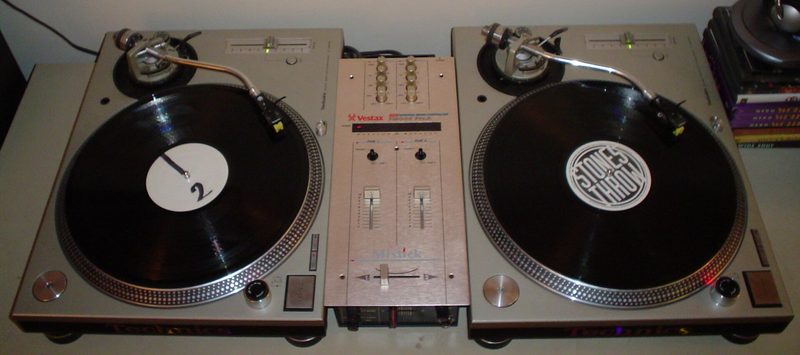
Two radio mixes and a festival slot: Melanie Harris's first year as a DJ
How Melanie Harris, a lifelong clubber from Walsall, learned to DJ as Mom-A-Vibez, had mixes played on UK radio and was booked for Birmingham's Mostly Jazz, Funk and Soul Festival; and how to learn to mix yourself, from a first course to a first set.

From the Latest Music Bar to the hospital lab: Angi Mariani's first in biomedical science
How a Brighton music-bar owner and TV presenter took a part-time science degree alongside a hospital lab job, what national figures say about who keeps learning, and how to find a course or a way into laboratory work.