Watch the sunrise from the summit of Haleakalā
A friend has invited you to do this with them.
Watching dawn break from the summit of Haleakalā, more than 10,000 feet (3,000 metres) up on Maui, takes a reservation from the National Park Service. Sunset and the night sky need no booking, and the Keoneheʻeheʻe (Sliding Sands) Trail leads walkers down into the crater.
GentleUnder £100 / $130An afternoonOutdoorsAlone or with othersHawaii
How to start
- Book a sunrise reservation for the 3am to 7am slot on Recreation.gov; the park releases them well ahead, plus a few about 48 hours before each date, and does not refund them for bad weather.
- Pack warm layers, water and food and fill up with fuel before you go, as the park sells no food, clothing or gas and the summit is regularly wet, windy and below freezing before dawn.
- Allow about 30 minutes to drive from the entrance gate to the summit, on a road with no street lights or guard rails, and respect any Native Hawaiian cultural practices you see, as the mountain is sacred to Native Hawaiians.
Where to go
We opened these links on 2 November 2026 and found them to be what we say. Dates, places and prices are on the official page, where they stay up to date.
Plan this
Pick a day, or a month, and we will set out how to get ready, step by step, with a date and a reason for each. The hard part of a day out is the timing: the right season, tickets and getting there. The plan watches the calendar for you.
Read next
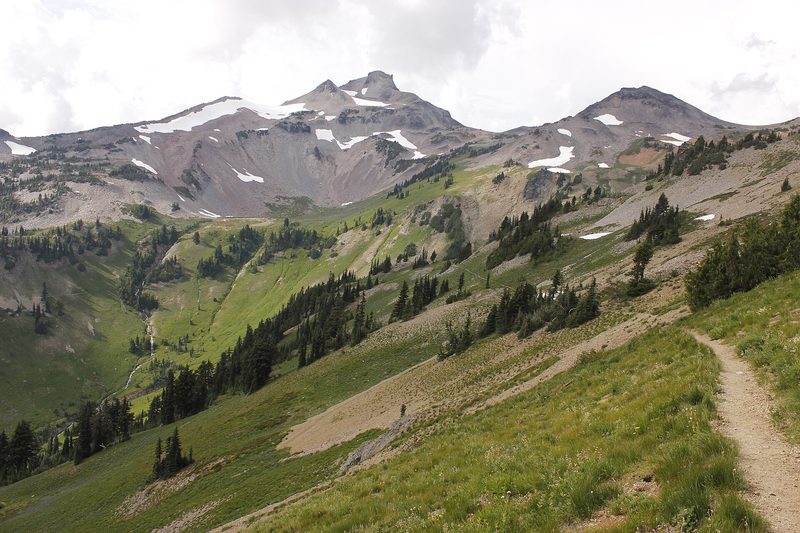
Six pairs of shoes and seven months on the Pacific Crest Trail took Nancy Zelick from Mexico to Canada
How a retired Intel researcher from Baker City, Oregon, walked the Pacific Crest Trail from Mexico to Canada in about seven months: the snow, the gear, the food and why she thinks pace mattered more than youth. How to start multi-day hiking, or build towards a long trail if you already walk.
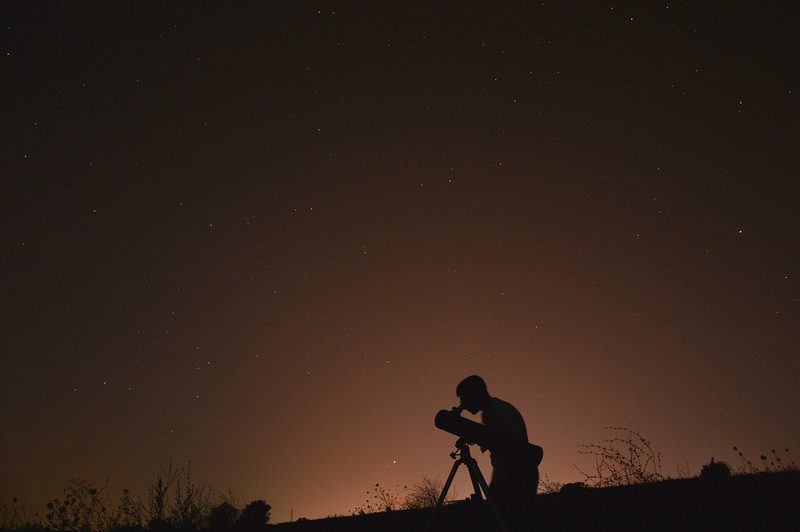
Stargazing for beginners: what to see, what to bring and where to look through a telescope
A beginner's guide to stargazing: letting your eyes adapt, the planets you can find without a telescope, why a red torch matters, the honest challenges of cloud and cold, and observatories and astronomy societies near you that will lend you a look through their telescopes.