Curious · 2 November 2026 · 4 min read
A well that was never finished: how farmers near Xi'an found the Terracotta Army
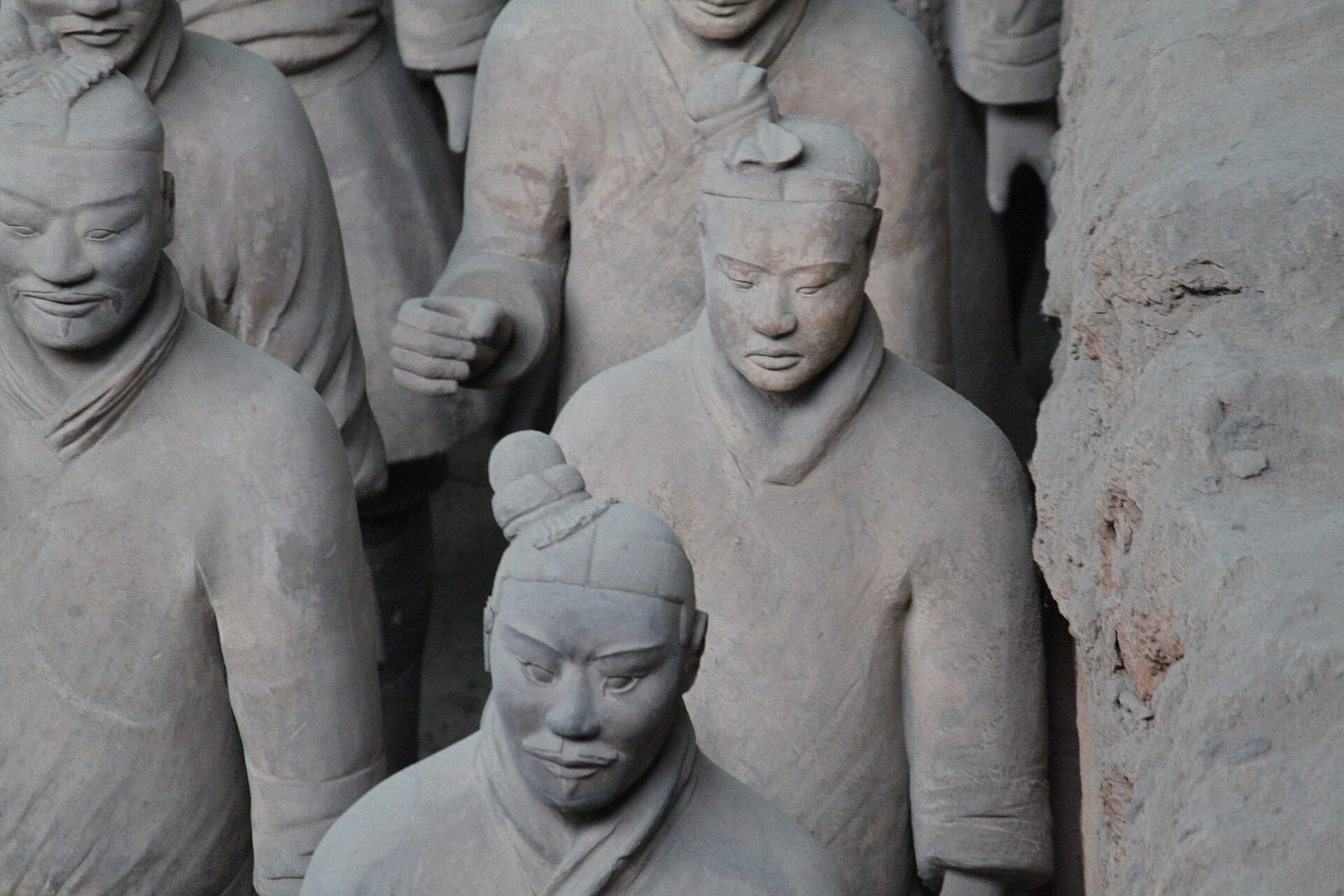
In March 1974, farmers digging a well in Shaanxi province, in north-west China, struck fragments of clay. A local museum curator, Zhao Kangmin, pieced the first figures together, and the find grew into the Terracotta Army of China's first emperor: thousands of life-size soldiers that had stood underground since about 210 BC.
In the spring of 1974, in a field about 20 miles (32 km) east of Xi’an, a group of farmers was digging a well. They struck fragments of clay. They did not know what the pieces were, so they reported them, and the authorities called in archaeologists.
The well was never the point again. Beneath the field stood the Terracotta Army, buried around 2,200 years earlier to guard the tomb of Qin Shi Huang, the ruler who united China and became its first emperor.
The pieces in the field
History.com dates the find to 29 March 1974; Britannica says only that it was March. By the time the first expert reached the site, some of the fragments had already been carried off to villagers’ homes, according to Smithsonian Magazine.
That expert was Zhao Kangmin, a curator at a small local museum. Among the broken clay he recognised heads, torsos and limbs. He later recalled riding out by bicycle so fast, in the excitement, that “it felt as if we were flying”.
Three truckloads of fragments went back to his museum, where Zhao began fitting them together, some from pieces as small as a fingernail. The figures that emerged were life-size, each with its own hairstyle, clothing and expression.
Kept quiet, then made famous
1974 was the tail end of China’s Cultural Revolution, when restoring old things could be dangerous. Zhao said that some factions were still against it, so he and his colleagues decided to keep the find secret. It came out when a journalist reported it, and officials in Beijing ordered a full excavation.
What they found was enormous. Britannica describes the first pit as holding some 8,000 life-size soldiers with their horses; History.com puts the first pit at about 6,000 statues and 8,000 uncovered in all. A second pit holds more than 1,300 figures of foot soldiers, chariots and cavalry, a third holds 68, probably a command unit, and a fourth was left empty. The soldiers were built from separately fired sections and once painted in mineral colours. UNESCO, which lists the site as a World Heritage property, counts nearly 200 pits of soldiers, horses, bronze chariots and weapons around the emperor’s tomb, and says thousands of statues probably remain buried.
Who found it?
The question has never been settled. Zhao signed autographs describing himself as the discoverer, restorer and excavator of the warriors. He argued that the farmers did not realise the fragments were relics and had broken some, and that it was he who stopped the damage and rebuilt the first warrior.
The farmers saw it differently. Smithsonian Magazine says three of them asked the museum in 2003 for an official certificate naming them as discoverers, without success; NPR says the farmers sued the government for recognition. The two outlets do not even agree on Zhao’s age when he died in May 2018: Smithsonian says 81, NPR 82.
The fairest answer may be both. Without the well there would have been no find; without the curator, perhaps no army, only broken pottery.
The shining blades: a story that turned out wrong
For years, one of the most repeated facts about the army was that its bronze swords and spearheads had survived bright and sharp because Qin craftsmen coated them with chromium, centuries ahead of modern chrome plating. History.com still tells it that way.
In 2019, a team led by University College London and the Terracotta Army Museum tested hundreds of the bronzes and concluded otherwise. The chromium, they found, came from lacquer on nearby wooden and bamboo parts, and many of the best-preserved bronzes had none at all. “Clearly, the lacquer is the unintended source of the chromium on the bronzes – and not an ancient anti-rust treatment,” said the lead author, Marcos Martinón-Torres.
The likelier protector is the soil itself, which the team describes as mildly alkaline, fine-grained and low in organic matter. Replica bronzes they buried in Xi’an soil stayed almost pristine for four months of extreme heat and damp; those buried in British soil corroded badly. The researchers still leave the door open: a Qin technique remains possible, they say, and deserves more study.
Still underground
The emperor’s own burial mound, 51.3 metres (168 ft) high according to UNESCO, has not been opened. History.com reports that soil samples from the mound tested high for mercury, which fits Sima Qian’s ancient account of mercury streams laid out like rivers inside the tomb. History.com calls the army one of the most spectacular archaeological discoveries of the 20th century, and most of it is still in the ground.
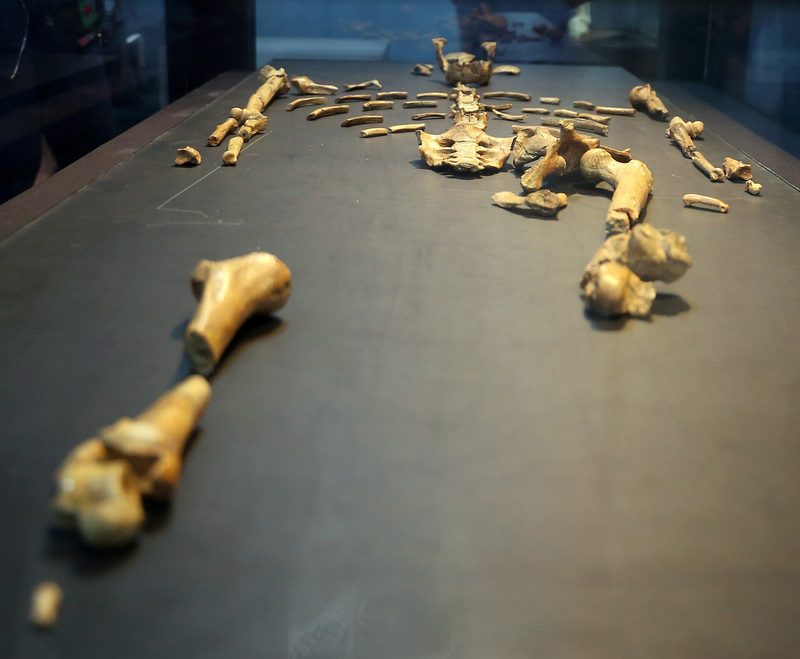
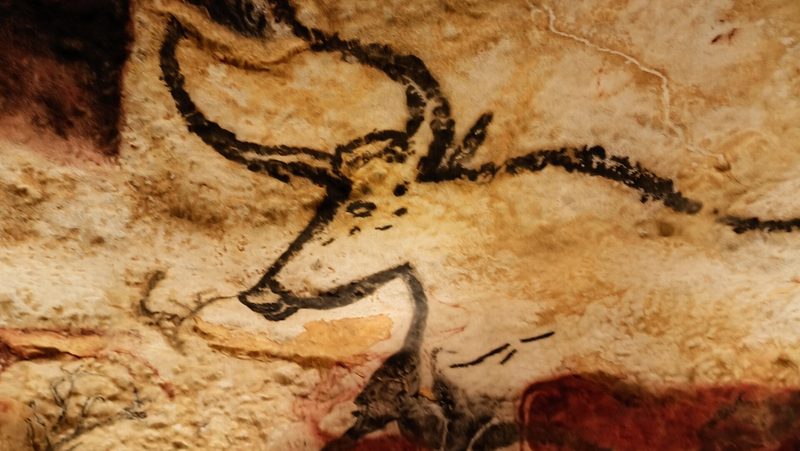
For another find that began with a chance glance, read how Lucy was discovered at Hadar. For one that began with teenagers and a hole on a hill, read about the cave of Lascaux.
Sources
- Mausoleum of the First Qin Emperor — UNESCO World Heritage Centre, accessed 2 November 2026
- Zhao Kangmin, the Archaeologist Who Pieced Together China's Terracotta Warriors, Has Died at 81 — Smithsonian Magazine, accessed 2 November 2026
- Archaeologist Who Uncovered China's 8,000-Man Terra Cotta Army Dies At 82 — NPR (Sasha Ingber), republished by Texas Public Radio, 20 May 2018
- Terra-cotta army — Encyclopaedia Britannica, accessed 2 November 2026
- Scientists shed light on preservation mystery of Terracotta Army weapons — UCL News, 4 April 2019
- 5 Things You May Not Know About the Terra Cotta Army — History.com (Sarah Pruitt), accessed 2 November 2026
Quotes are taken from the sources above. We link to the original reporting so you can read the full story.
Was this one for you?