Climb Kilimanjaro
A friend has invited you to do this with them.
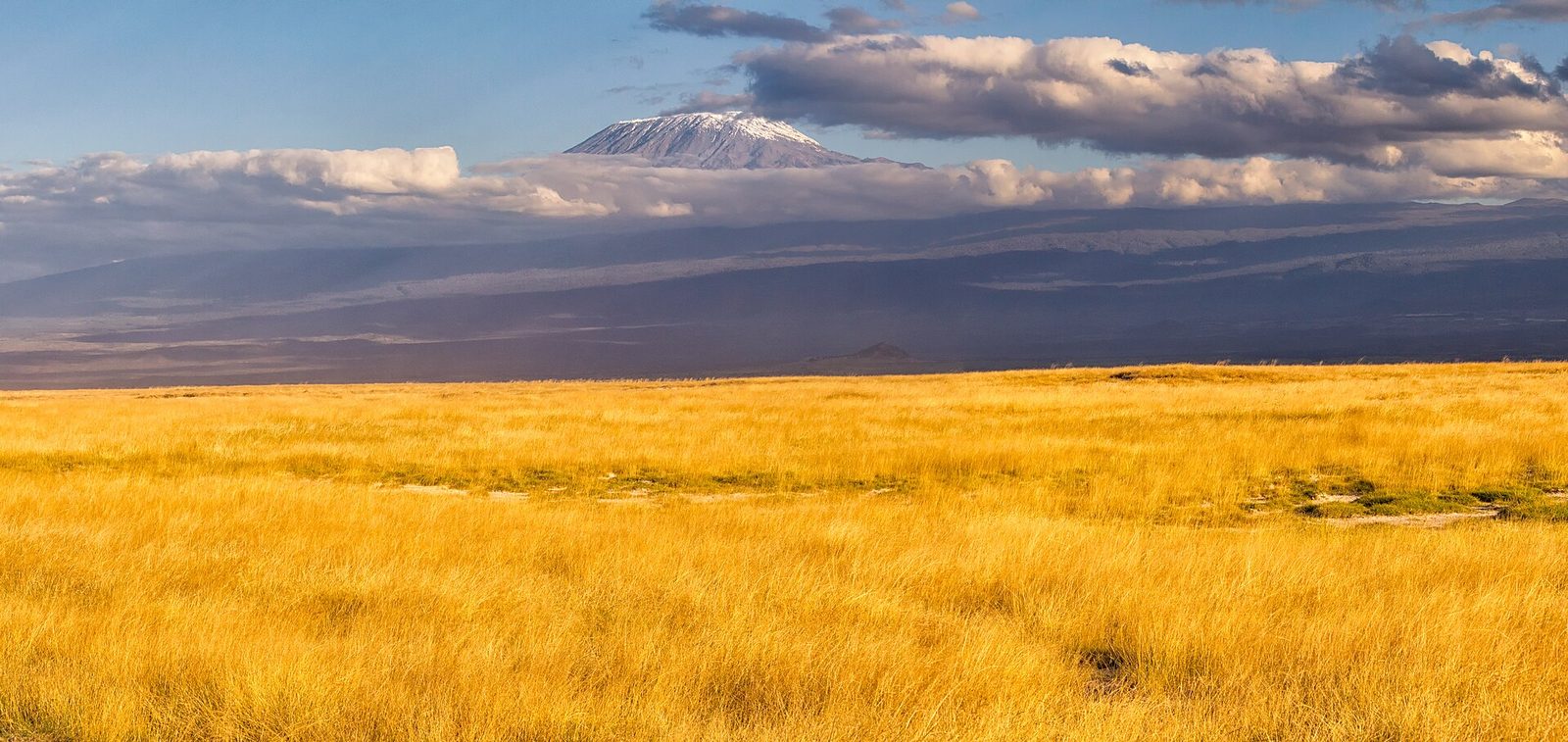
Kilimanjaro, in Tanzania, is the highest mountain in Africa and the world's highest free-standing volcano, its summit at 5,895 metres (19,341 feet). There are several routes up, including Marangu, Machame, Lemosho and Rongai, and every climb is led by a licensed operator.
DemandingOver £500 / $650MonthsOutdoorsWith othersTanzania
Someone who has done it
These are real people who did this, as reported by the outlets named. We opened each one before linking it. None of them is connected with this site.
What it's like
Kibo, the highest of Kilimanjaro's three volcanic peaks, reaches 5,895 metres (19,341 feet), and the national park puts the number of people who set out to climb it at around 50,000 a year. The other two peaks are Mawenzi (5,149 metres), which is for technical climbers, and Shira (3,962 metres), the oldest, now a plateau.
The climb passes through bands of climate on the way up. Montane forest covers the lower slopes from about 1,800 to 2,800 metres (5,900 to 9,200 feet); above it come heath and moorland, then alpine desert, and finally a summit zone in arctic conditions. The park describes the trip as going from the equator to the arctic.
Climbing Kibo takes five to nine days, depending on the route, and the park says to allow not less than five days to go up and come down so your body can adjust to the height.
The routes
| Route | Where you sleep | Share of climbers |
|---|---|---|
| Machame | Camping at designated sites | About 40 per cent |
| Lemosho, Londorosi and Shira | Camping at designated sites | About 18 per cent between them |
| Rongai | Camping at designated sites | About 12 per cent |
| Umbwe | Camping at designated sites | About 2 per cent |
| Marangu | Huts at Mandara, Horombo and Kibo | Not given |
The shares come from the park's own fiftieth-anniversary publication. Marangu, where the park has its headquarters, is the only route with huts and is also used for the way down; Mweka is a descent route only. The designated campsites have toilets. Because altitude is the main risk, compare how many days each operator allows for a route, not just its name.
Altitude, the honest hard part
The NHS says altitude sickness can start above about 2,500 metres (8,200 feet), usually 6 to 10 hours after you arrive at a new height. The signs are a headache, nausea or vomiting, loss of appetite, tiredness, dizziness and difficulty sleeping.
Its advice is to go up slowly. Above 3,000 metres (9,800 feet), do not sleep more than 500 metres (1,600 feet) higher than the night before, and take a rest day at the same height every three to four days. If you have symptoms, tell the people you are with and do not climb higher until you feel better; if they get worse or have not improved after a day, go down 300 to 1,000 metres.
Confusion, poor balance, breathlessness at rest, a cough with frothy or bloody spit, or extreme drowsiness are emergencies. Go down at once and get help. The park has rescue services, with first aid and radio, at all of its mountain stations, and its rules say not to carry on if you are exhausted or badly affected by mountain sickness.
See a GP (family doctor) or a travel clinic before you go, especially if you have had altitude sickness before.
When to go, and the park's rules
The park's dry seasons run from late June to September and from December to early March, when the days are often completely clear. The long rains fall from March to May, when snow builds up on the peak, and the short rains in October and November.
- You need a valid permit, and you must enter and leave through the gates named on it. Proof of identity is checked at the entry gate.
- Camp and walk only on the designated trails and campsites.
- Porters may carry no more than 25 kg (55 lb), including their own belongings.
- Children under 10 may not go above 3,700 metres (about 12,100 feet).
How to start
- Read Kilimanjaro National Park's visitor guide and compare the routes.
- Choose a licensed operator and an itinerary with acclimatisation days, as solo trekking is not allowed.
- Train for months with long, hilly days carrying a pack, and speak to your GP (family doctor) about altitude.
Where to go
- Kilimanjaro National Park (Tanzania National Parks), visitor guide
- Kilimanjaro National Park, about Kilimanjaro
We opened these links on 27 October 2026 and found them to be what we say. Dates, places and prices are on the official page, where they stay up to date.
Plan this
Pick a day, or a month, and we will set out how to get ready, step by step, with a date and a reason for each. Projects run over months and stall without a rhythm, so the plan sets milestones you can see.
Questions people ask
How long does it take to climb Kilimanjaro?
Five to nine days, depending on the route. The national park says to allow not less than five days for the climb up and back down, so your body has time to acclimatise.
What is the best time of year to climb Kilimanjaro?
The park's dry seasons, from late June to September and from December to early March. The long rains run from March to May and the short rains through October and November.
Which Kilimanjaro route is the most popular?
Machame, used by about 40 per cent of climbers according to the park's own figures, followed by the Lemosho, Londorosi and Shira routes together at about 18 per cent.
Can you stay in huts on Kilimanjaro?
Only on the Marangu route, which has huts at Mandara, Horombo and Kibo. Every other route camps at designated sites with toilets.
Will I get altitude sickness on Kilimanjaro?
Anyone can, fit or not, as it can start above about 2,500 metres. Go up slowly, rest if you feel unwell, and go down if symptoms get worse or have not improved after a day.
Can children climb Kilimanjaro?
The park's rules do not allow children under 10 above 3,700 metres (about 12,100 feet).
Where this comes from: Tanzania National Parks, Mount Kilimanjaro (park brochure, 2019); Tanzania National Parks, Kilimanjaro National Park, celebrating the golden anniversary in biodiversity (1973 to 2023); NHS, Altitude sickness. Opened 1 November 2026.
Read next
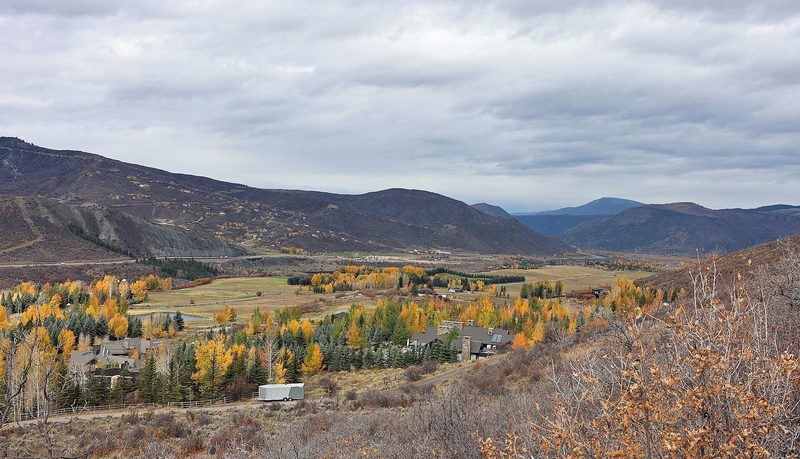
No one left behind on the Expresso trail: fifteen years of Tuesday rides with Girls Outside
How a group of women in Colorado's Roaring Fork Valley turned a Tuesday mountain bike ride into a 15-year habit: the motto, the tailgate and why the group keeps them riding. How to start mountain biking on easy graded trails, or ride harder terrain with a group if you already ride.
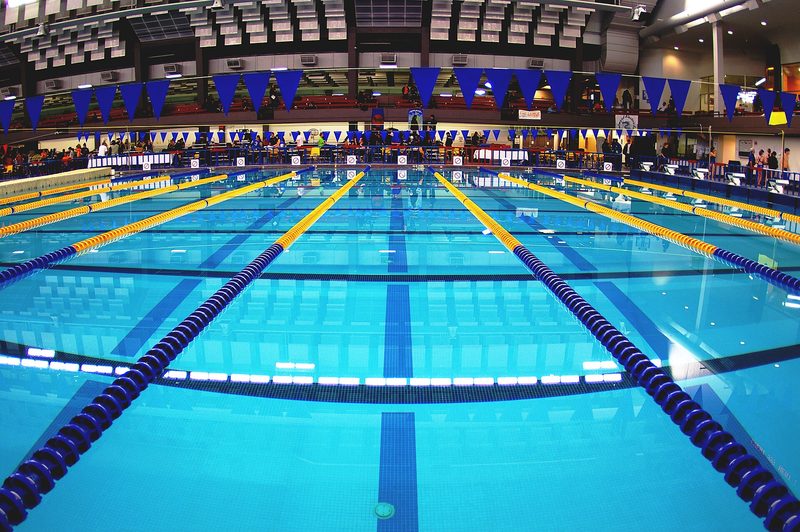
Watching a swimmer from an exercise bike led Sola Alegbe from a lifelong fear of water to teaching it
How a Londoner who nearly drowned as a child learned to swim at 48, left her job at Transport for London and qualified as a swimming teacher. What the first lesson is really like, and how to start if water frightens you, or go further if you already swim.
More like this
Demanding · North West England, Yorkshire and the Humber
Walk the Coast to Coast Path
Demanding · Scotland
Walk the West Highland Way
Demanding
Row a 2,000m test on a rowing machine
Demanding · North East England, North West England
Walk Hadrian's Wall Path