Things to do · Arts and crafts
Learn astrophotography
A friend has invited you to do this with them.
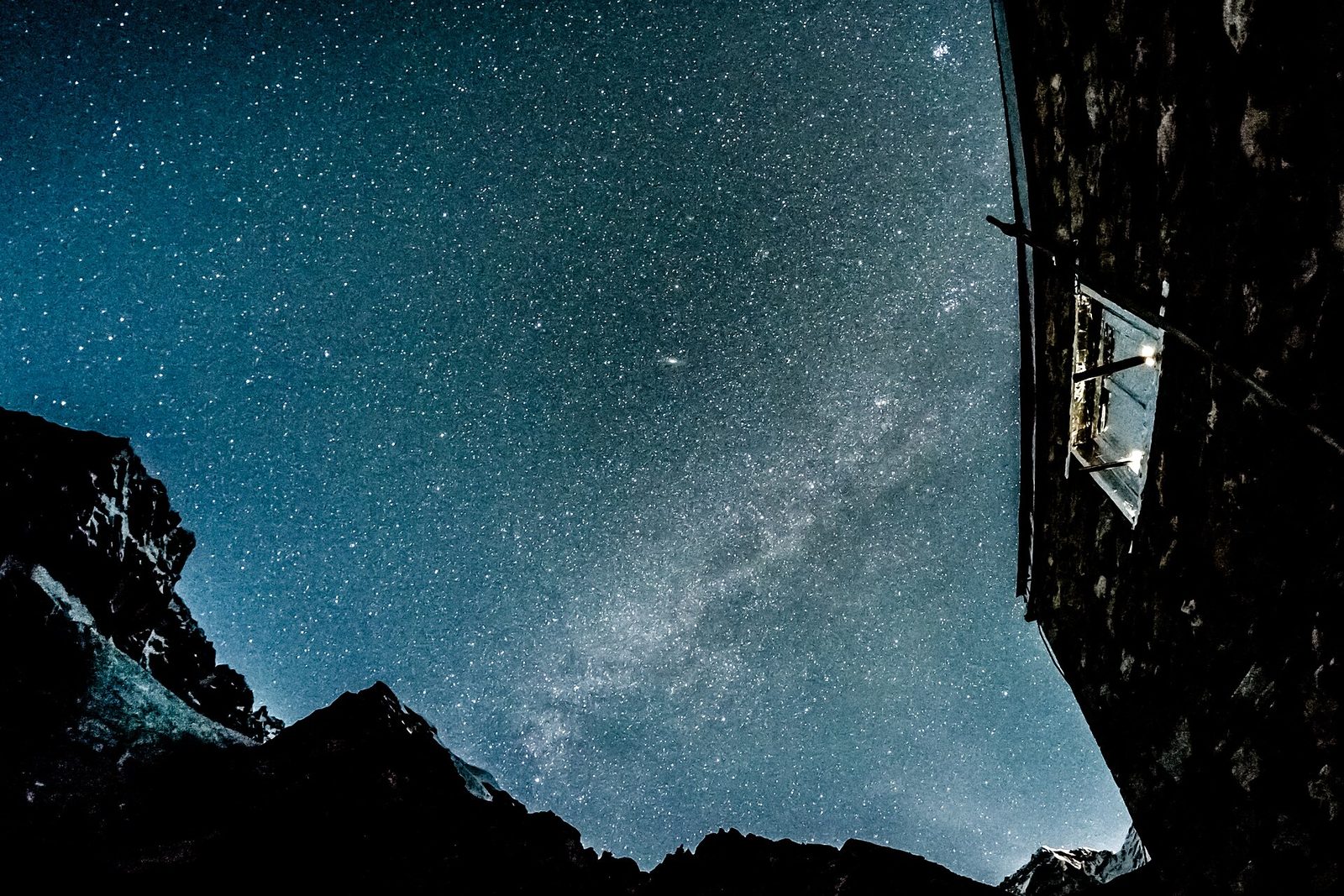
A camera on a tripod, left open for long enough, records stars and the Milky Way that your eyes can barely make out. You do not need a telescope to begin, and beginners' courses teach the settings, the targets and how to process the pictures afterwards.
Gentle£100 to £500 / $130 to $650A few weeksIndoors or outAlone or with othersUK and US
Someone who has done it
These are real people who did this, as reported by the outlets named. We opened each one before linking it. None of them is connected with this site.
Christmas present ideas for someone who wants to learn astrophotography
Presents that help someone get started, drawn from this page. They are ideas, not recommendations: we have not tested any of the products, so check sizes and details before you buy.
Give the experience
More ways to give it, with reviewers' picks of the kit: Presents for stargazers.
Kit to give
- Camera tripodAmazon holds the camera still through long exposures
- Remote shutter releaseAmazon fires the camera without touching it, so the picture does not shake
- Red light head torchAmazon a red-light head torch is on the national park workshop kit lists
Some of these are affiliate links: if you buy or book through them we may earn a commission at no extra cost to you. Amazon links are searches, so compare what comes up.
More Christmas gift ideas for people who love doing things Stocking fillers
Start with what you have
Royal Museums Greenwich gathered advice for beginners from photographers in its Astronomy Photographer of the Year competition. They warn against spending thousands on telescopes or cameras at the start, and suggest a DSLR or mirrorless camera on a tripod, and the article points to the Moon and the Milky Way as first targets. One young photographer started with an iPhone held to a telescope. Telescopes, star trackers and cooled astronomy cameras come later.
The Royal Observatory's own online course does not need a telescope either. Over six evenings it covers camera settings, night-sky targets and basic image processing, mostly with free software that runs mainly on Windows, with some Mac alternatives. City College Peterborough's evening course goes further into telescopes, filters, stacking and calibration frames, and also covers imaging with compact cameras and smartphones.
In the US, some national parks run free night photography workshops, sometimes as part of an astronomy festival. The kit lists at Great Basin and Cedar Breaks are the same - a DSLR or mirrorless camera, a wide-angle lens, a tripod, a remote shutter control, a red-light head torch, warm clothes, a camp chair, spare memory cards and batteries.
Ways in and what they cost
| Where | Format | Cost (as last listed) |
|---|---|---|
| Royal Observatory Greenwich | Introduction to Astrophotography, online by Zoom; six weekly sessions, Tuesdays 7pm to 9pm; listed starts 5 January and 23 February 2027; 18 and over | £106 |
| City College Peterborough | Astronomy: Introduction to Astronomical Imaging, Tuesdays 6.30pm to 8.30pm, 8 September to 13 October 2026; for beginners and hobbyists | £102 (autumn 2026 course) |
| Kielder Observatory, Northumberland | Astro Photography evening with a talk on the Milky Way, aurora and star trails, weather-permitting practical sessions and the observatory's telescopes; beginners to professionals | Price unclear on the event page (a past event, autumn 2025); check current events when booking |
| Great Basin National Park, Nevada | Three-hour beginners' workshop with a ranger and an astrophotography expert, 5 to 7 September 2024 | Free (2024) |
| Cedar Breaks National Monument, Utah | Beginners' night sky photo workshop with a ranger and an expert, 7.30pm to 11pm; register in advance by email, places limited | No fee listed (last listed for 8 and 9 September, 2023) |
Kielder suggests bringing a camera with a wide-angle lens, a tripod and fully charged batteries, and says a smartphone can also capture stars.
How to start
- Book a beginners' course, an evening at a dark-sky observatory or a ranger-led workshop in a national park.
- Bring the camera you already have, a tripod and, if you can, a remote shutter release and a red head torch.
- Join a local astronomy society to find dark sites and people who image the sky.
Where to go
- Royal Observatory Greenwich: Introduction to Astrophotography (online) UK
- City College Peterborough: Introduction to Astronomical Imaging UK
- Federation of Astronomical Societies: member societies by county UK
- Cedar Breaks National Monument: Night Sky Photo Workshop (Utah) US
- Astronomical League: member astronomy clubs US
We opened these links on 17 November 2026 and found them to be what we say. Dates, places and prices are on the official page, where they stay up to date.
Plan this
Two ways to plan it.
Plan it yourself Free
The links you need to book it, get there, find somewhere to stay and eat, and see what else there is to do nearby. They are searches for you to run; nothing is saved.
Show the links
Plan it with dates
Pick a day, or a month, and we will set out how to get ready, step by step, with a date and a reason for each. Courses and classes have start dates and can fill up, so the plan begins with finding and booking one. Kit comes after the first session, once you know what you need.
Questions people ask
Do I need a telescope for astrophotography?
No. The Royal Observatory Greenwich course says a telescope is not required, and its photographers suggest starting with a camera on a tripod.
Can you do astrophotography with a phone?
Yes, to begin with. Royal Museums Greenwich says one young photographer started with an iPhone held to a telescope, and Kielder Observatory says a smartphone can capture star images.
What equipment do I need for astrophotography as a beginner?
US national park workshops ask for a DSLR or mirrorless camera, a wide-angle lens, a tripod, a remote shutter control, a red-light head torch, warm clothes and spare batteries and memory cards.
Are there astrophotography courses near me?
The Royal Observatory runs its beginners' course online. Local astronomy societies, listed by the Federation of Astronomical Societies in the UK and the Astronomical League in the US, are another way in.
Where this comes from: Royal Museums Greenwich, Introduction to Astrophotography; Royal Museums Greenwich, How to get started in astrophotography; City College Peterborough, Astronomy: Introduction to Astronomical Imaging; Kielder Observatory, Astro Photography; National Park Service, Astrophotography Workshop (Great Basin National Park); National Park Service, Night Sky Photo Workshop (Cedar Breaks National Monument); Federation of Astronomical Societies, Members' location by county; Astronomical League, Societies. Opened 17 November 2026.
Read next
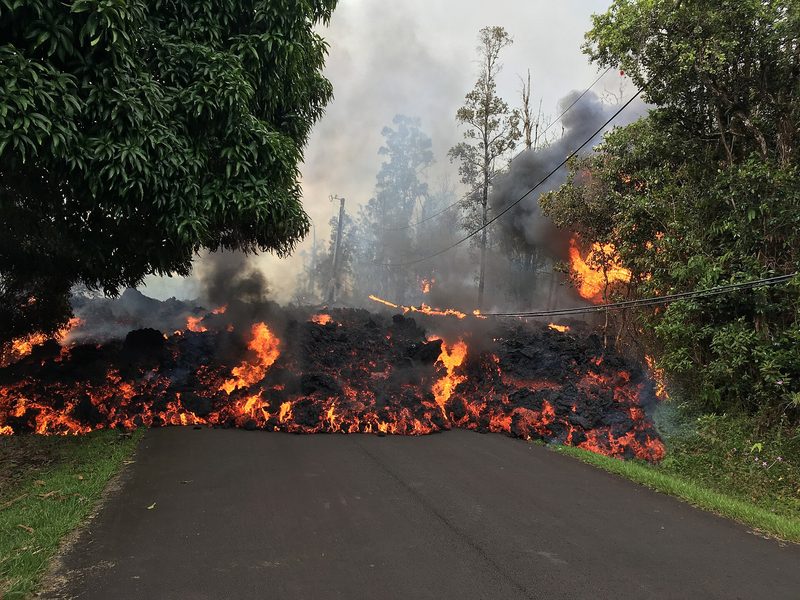
An asteroid called Leilani, found by Todd Fisher in old telescope images, remembers a neighbourhood lost to lava
How a citizen scientist with no training in astronomy found a new asteroid in eight-year-old telescope images, why he named it after Leilani Estates, and how to join the same search from a laptop.
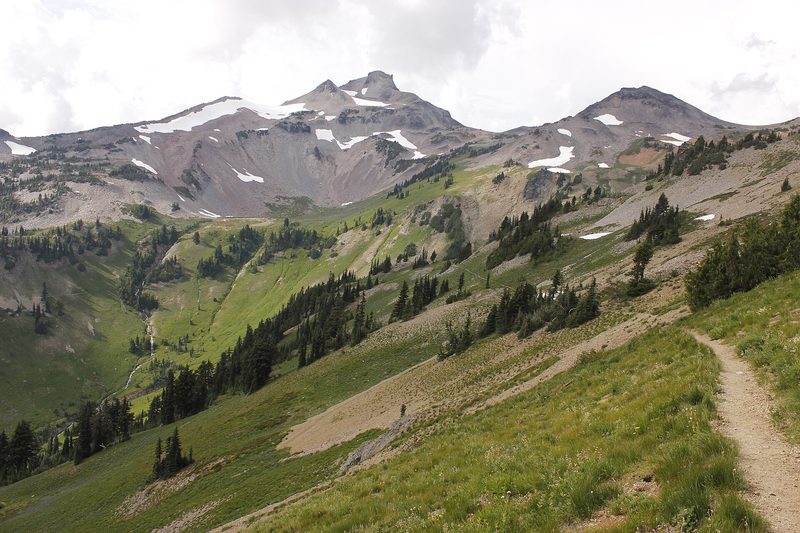
Six pairs of shoes and seven months on the Pacific Crest Trail took Nancy Zelick from Mexico to Canada
How a retired Intel researcher from Baker City, Oregon, walked the Pacific Crest Trail from Mexico to Canada in about seven months: the snow, the gear, the food and why she thinks pace mattered more than youth. How to start multi-day hiking, or build towards a long trail if you already walk.