Learn celestial navigation with a sextant
A friend has invited you to do this with them.
With a sextant, an accurate watch and a nautical almanac you can work out where you are from the sun and stars, with no electronics at all. Courses teach it as the backup to GPS, from a 90-minute online introduction to the RYA's ocean theory course of at least 40 hours.
Moderate£100 to £500 / $130 to $650A few weeksIndoors or outAlone or with othersUK and US
Christmas present ideas for someone who wants to learn celestial navigation with a sextant
Presents that help someone get started, drawn from this page. They are ideas, not recommendations: we have not tested any of the products, so check sizes and details before you buy.
Kit to give
- Plastic sextantAmazon for practising sights of the sun and Polaris
- Nautical almanacAmazon the tables you need to turn a sight into a position
- Navigation dividers and plotterAmazon for plotting lines of position on a chart or plotting sheet
Some of these are affiliate links: if you buy or book through them we may earn a commission at no extra cost to you. Amazon links are searches, so compare what comes up.
More Christmas gift ideas for people who love doing things Stocking fillers
What the courses teach
The RYA Yachtmaster Ocean theory course takes at least 40 hours of study plus an exam, in a classroom, online or by distance learning. It covers the sextant, measuring time, fixing position by the sun, meridian altitudes, sun and star sights and checking compass error, alongside ocean passage planning and worldwide weather. It assumes navigation to Coastal Skipper and Yachtmaster Offshore shorebased standard.
America's Boating Club's Offshore Navigation course treats GPS as the main tool and celestial as the backup. Over about 14 weeks, plus two weeks for an open-book exam, students take sun sights with a marine sextant, find latitude from a noon sight and keep a folder of their sights. US Sailing's Celestial Navigation certification asks for a written exam without a programmed calculator, covering Polaris latitude, HO 249 sight reduction tables and running fixes to within five miles, and needs its Coastal Navigation certification first.
Ways in compared
| Provider | Format | Cost (as last listed) |
|---|---|---|
| American Sailing (ASA), online | Introduction to Celestial Navigation: a 90-minute online class on how a sextant works and finding latitude from Polaris or the sun | $39 (ASA members save $10) |
| Starpath, online | Backup Cel Nav Online Course: six lessons, 5 to 10 hours, with printed books on plastic sextants | $399 |
| JPMA & Hoylake Sailing School | RYA Yachtmaster Ocean shorebased: weekly evening classes for 24 weeks, starting each October | £300 plus the RYA pack |
| JPMA & Hoylake Sailing School | RYA Yachtmaster Ocean shorebased: five-day intensive, or three full weekends | £475 plus the RYA pack, lunch and refreshments included |
| America's Boating Club | Offshore Navigation: about 14 weeks plus an open-book exam, through local clubs | Not listed; use the course finder |
The Starpath course needs only its short book, a watch and a sextant, and practice uses shorelines or an artificial horizon. The RYA and US Sailing courses build on coastal navigation you are expected to know already.
How to start
- Try a short introduction online to see how a sextant works and how latitude comes from the sun or Polaris.
- Get a basic sextant; one US course says it can be the most basic available, and includes a book on using plastic sextants.
- If you sail, book a full course such as the RYA Yachtmaster Ocean theory course in the UK or a US Sailing or America's Boating Club celestial course in the US.
Where to go
- RYA: Yachtmaster Ocean theory course UK
- JPMA & Hoylake Sailing School: RYA Yachtmaster Ocean shorebased UK
- America's Boating Club: Offshore Navigation (celestial) US
- US Sailing: Celestial Navigation certification US
- Starpath: Backup Cel Nav online course US
We opened these links on 20 November 2026 and found them to be what we say. Dates, places and prices are on the official page, where they stay up to date.
Plan this
Two ways to plan it.
Plan it yourself Free
The links you need to book it, get there, find somewhere to stay and eat, and see what else there is to do nearby. They are searches for you to run; nothing is saved.
Show the links
Plan it with dates
Pick a day, or a month, and we will set out how to get ready, step by step, with a date and a reason for each. Courses and classes have start dates and can fill up, so the plan begins with finding and booking one. Kit comes after the first session, once you know what you need.
Questions people ask
Do I need to be a sailor to learn celestial navigation?
Not for a short course. Starpath's backup course needs only a book, a watch and a sextant, but the RYA Yachtmaster Ocean course assumes Coastal Skipper and Yachtmaster Offshore navigation knowledge.
What sextant should a beginner buy?
Starpath says the sextant for its course can be the most basic available, and its course books cover plastic sextants.
How long does it take to learn celestial navigation?
It varies by course. Starpath's backup course takes 5 to 10 hours, the RYA ocean theory course at least 40 hours plus the exam, and America's Boating Club's course about 14 weeks.
Is celestial navigation still taught?
Yes. The RYA, US Sailing and America's Boating Club all run celestial courses, with America's Boating Club teaching it as the backup to GPS.
Where this comes from: RYA, Yachtmaster Ocean theory course; JPMA & Hoylake Sailing School, RYA Yachtmaster Ocean; America's Boating Club, Offshore Navigation; US Sailing, Celestial Navigation certification; Starpath, Backup Cel Nav Online Course; American Sailing, Introduction to Celestial Navigation. Opened 20 November 2026.
Read next
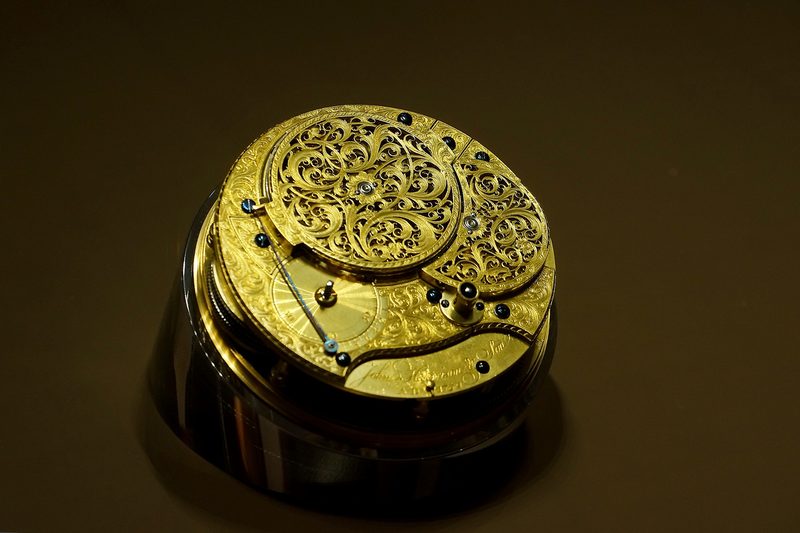
Five seconds slow after two months at sea: how John Harrison's H4 found longitude
How John Harrison, a self-taught clockmaker, built the four marine timekeepers H1 to H4, how H4 performed on the voyages to Jamaica and Barbados, why the Board of Longitude hesitated, what he was paid, and where the accounts differ.
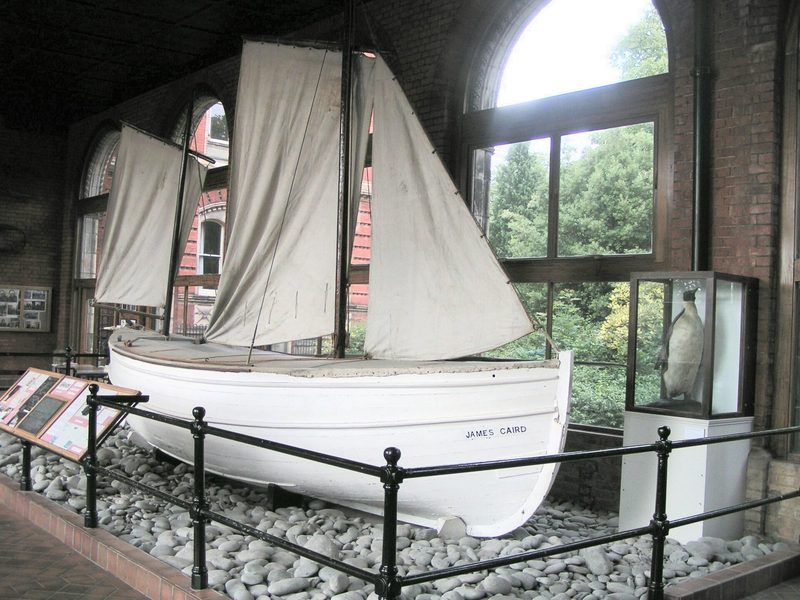
Four sightings in 800 miles: how Frank Worsley steered the James Caird to South Georgia
The voyage of the James Caird in 1916: who was aboard, how Frank Worsley navigated with only four sightings, the crossing of South Georgia, and how the 22 men left on Elephant Island survived until August. Plus where you can see the boat today.
More like this
Gentle
Learn 20 constellations by sight
Moderate
Learn to navigate with a map and compass
Moderate
Learn to sail a dinghy
Moderate
Sail on a tall ship