Curious · 23 October 2026 · 2 min read
Four sightings in 800 miles: how Frank Worsley steered the James Caird to South Georgia
In April 1916 six men from Ernest Shackleton's stranded expedition set out from Elephant Island in an open boat to fetch help from South Georgia, about 800 miles away. The man who had to find it was Endurance's captain, Frank Worsley.
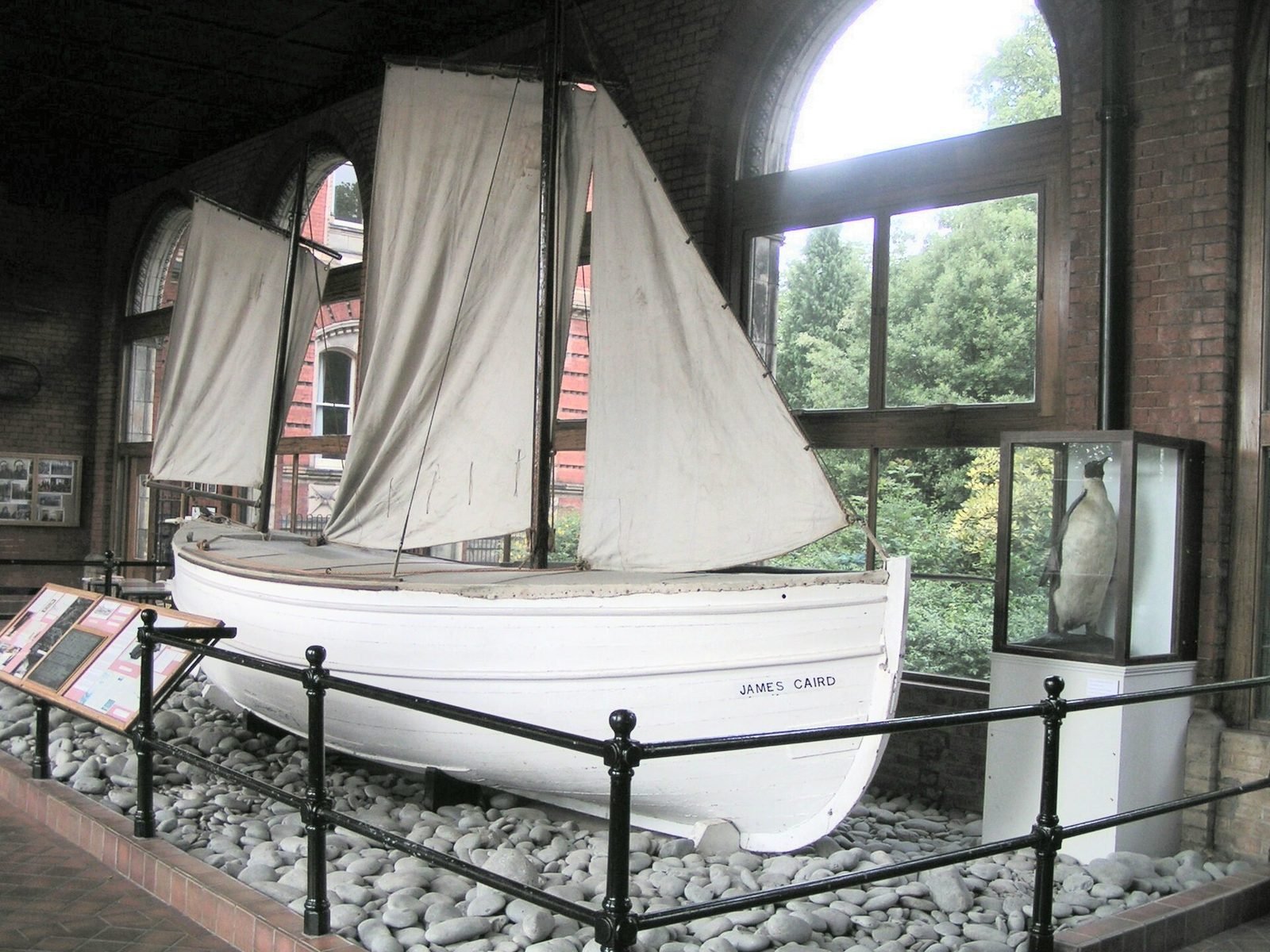
On 24 April 1916, a boat 22 feet (6.7 metres) long left Elephant Island, off the tip of the Antarctic Peninsula. Aboard were six men: Ernest Shackleton, Frank Worsley, Tom Crean, Harry McNeish, John Vincent and Timothy McCarthy. Behind them, 22 men of Shackleton’s expedition stayed behind on the island under the command of Frank Wild.
The boat was the James Caird. Its destination was South Georgia, about 800 miles (some 1,300 km) away across one of the roughest stretches of ocean on Earth.
The navigator
Finding the island was Worsley’s job. Born in Akaroa, New Zealand, in February 1872, he was the captain of Shackleton’s ship Endurance; the Antarctic Heritage Trust says Shackleton hired him on the spot in 1914.
At sea, a navigator fixes his position by measuring the angle of the sun or a star above the horizon with a sextant, noting the exact time, and working it out from tables. That needs a clear sky, a visible horizon and something steady to stand on. The James Caird had none of these for most of the voyage. NOVA’s account describes near-constant gales and a hurricane. Worsley managed just four sightings, taken from a boat that was pitching wildly in heavy seas. Between sightings, the only method left is dead reckoning: estimating where you are from speed, heading and time.
The Heritage Trust calls it an astonishing feat of navigation. The boat reached the west side of South Georgia on 10 May 1916, sixteen days after leaving Elephant Island. (NOVA’s history gives seventeen; accounts differ on how they count the days.)
Over the mountains
They had landed on the wrong side of the island. The whaling station where help could be found was on the opposite coast. So Shackleton, Worsley and Crean walked there, across the mountainous interior, a crossing the Heritage Trust records as taking 36 hours.
The men left behind
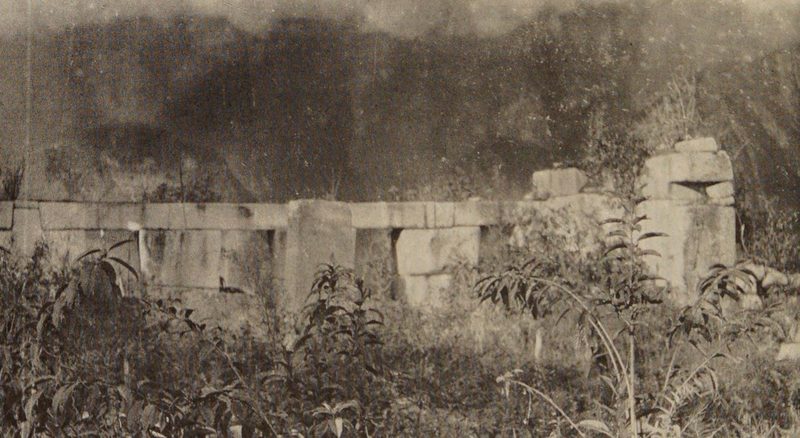
On Elephant Island, the 22 men made a shelter from two upturned boats set on low stone walls and lashed with canvas. They called it the snuggery. The State Library of New South Wales holds the diary of Frank Hurley, one of the 22, which records their life there, along with his sketch plan of the shelter.
Getting back to them took four attempts over four months, the Heritage Trust says. On 30 August 1916 the Chilean vessel Yelcho reached the island with Shackleton aboard. Worsley found all the men still alive.
Seeing it for yourself
The James Caird survives. It is kept at Dulwich College in south London, close to West Dulwich station. According to the James Caird Society, public tours run at 11:15 on most Fridays and occasionally on other days, and every visit has to be booked in advance through the society’s website.
If the sea interests you, read how Joanne Currie and Sue Smith raced across the Atlantic to Oban, and for the night sky Worsley steered by, our guide to stargazing for beginners.
Sources
- Escape from Antarctica (Shackleton's Antarctic Odyssey) — NOVA Online, PBS (Rick Groleau), updated February 2002
- Who was Frank Worsley? — Antarctic Heritage Trust, accessed 23 October 2026
- Marooned on Elephant Island — State Library of New South Wales, accessed 23 October 2026
- How to visit — The James Caird Society, accessed 23 October 2026
Quotes are taken from the sources above. We link to the original reporting so you can read the full story.
Was this one for you?