Things to do · Arts and crafts
Learn clock and watch repair
A friend has invited you to do this with them.
A mechanical clock is a puzzle you can take apart, clean, oil and put back together until it ticks again. Beginners' workshops start with your own pendulum clock, and the horological societies on both sides of the Atlantic run courses that go much further.
Gentle£100 to £500 / $130 to $650MonthsIndoorsAlone or with othersUK and US
Someone who has done it
These are real people who did this, as reported by the outlets named. We opened each one before linking it. None of them is connected with this site.
Christmas present ideas for someone who wants to learn clock and watch repair
Presents that help someone get started, drawn from this page. They are ideas, not recommendations: we have not tested any of the products, so check sizes and details before you buy.
Kit to give
- Watchmaker's screwdriver setAmazon small screwdrivers for clock and watch movements
- Clock oilAmazon for oiling pivots after cleaning a movement
- Eye loupeAmazon magnification for close work on small parts
Some of these are affiliate links: if you buy or book through them we may earn a commission at no extra cost to you. Amazon links are searches, so compare what comes up.
More Christmas gift ideas for people who love doing things Stocking fillers
What you learn
A first workshop starts with how a clock works. Surrey Adult Learning's two-Saturday introduction covers how wind-up and pendulum mechanisms work, diagnosing common faults, dismantling a clock safely, then cleaning, oiling, reassembling and adjusting it. Emily Griffith Technical College's eight-week course teaches you to take apart, clean, adjust and rebuild the most common mechanical clocks.
The next step is workshop skill. The NAWCC's Foundational Repair Skills 1 covers measuring with micrometers, turning on the lathe, polishing pivots and making and fitting bushings. The British Horological Institute's distance learning course, an introduction to horology, has 12 lessons, each with a small practical exercise, and prepares students for a nationally accredited exam. Watches are a separate path. AWCI's Watch 100 is a survey course for the new or prospective watchmaker.
Ways in compared
| Where | Format | Cost (as last listed) |
|---|---|---|
| Surrey Adult Learning, Sunbury | Two Saturdays, 10am to 3.30pm (September 2025 run, now past); bring your own pendulum clock and tools. A one-day workshop also ran in June 2025 | £122 for two days; £59 for one day |
| British Horological Institute, Upton Hall, Nottinghamshire | Workshop short courses, including Skills Development Part 1 for complete beginners; minimum three students | Fee not shown on the course page |
| Emily Griffith Technical College | Eight weeks, one three-hour session on Fridays | $360, plus possible materials and book fees |
| NAWCC School of Horology, Columbia, Pennsylvania | Foundational Repair Skills 1, three days, up to 8 students (November 2025 run, now past); materials and machinery provided | $850 members, $975 non-members |
| AWCI, Harrison, Ohio | Watch 100: Introduction to Watchmaking, five days | $1,295 |
Surrey asks students to wear closed-toe shoes and an apron or old clothes, and its one-day workshop warns that not every clock can be repaired in one session.
How to start
- Find a beginners' clock repair workshop at an adult-education service or technical college, or a taster course from a horological body.
- Bring a clock with a pendulum, small screwdrivers, pliers and tweezers, and sealable boxes so no parts go missing.
- To go further, look at the British Horological Institute's distance learning course or the workshops of the NAWCC School of Horology.
Where to go
- British Horological Institute: getting started UK
- Surrey Adult Learning: Introduction to Clock Repair Workshop (Sunbury) UK
- NAWCC School of Horology: education (Columbia, Pennsylvania) US
- American Watchmakers-Clockmakers Institute: classes (Harrison, Ohio) US
- Emily Griffith Technical College: Clock Repair US
We opened these links on 16 November 2026 and found them to be what we say. Dates, places and prices are on the official page, where they stay up to date.
Plan this
Two ways to plan it.
Plan it yourself Free
The links you need to book it, get there, find somewhere to stay and eat, and see what else there is to do nearby. They are searches for you to run; nothing is saved.
Show the links
Plan it with dates
Pick a day, or a month, and we will set out how to get ready, step by step, with a date and a reason for each. Courses and classes have start dates and can fill up, so the plan begins with finding and booking one. Kit comes after the first session, once you know what you need.
Questions people ask
Can I learn to repair clocks as a hobby?
Yes. Surrey Adult Learning's clock repair workshops are for beginners and need no previous experience. You bring your own pendulum clock to work on.
What tools do I need for clock repair?
For a beginners' workshop, Surrey asks for screwdrivers, pliers, tweezers and small or adjustable spanners, plus sealable plastic boxes for parts. Advanced courses such as the NAWCC's use a lathe, which the school provides.
How do I become a qualified clock repairer in the UK?
The British Horological Institute's distance learning course has 12 lessons and prepares students for a nationally accredited exam. Its practical short courses take place at Upton Hall in Nottinghamshire.
Is watch repair harder to learn than clock repair?
It is taught separately. In the US, AWCI runs a five-day Introduction to Watchmaking, while beginners' clock courses usually start with a pendulum clock.
Where this comes from: British Horological Institute, Getting started; British Horological Institute, Short courses; Surrey County Council Adult Learning, Clock Repair & Horology - Introduction to Clock Repair Workshop; Surrey County Council Adult Learning, Clock Repair Workshop; Emily Griffith Technical College, Clock Repair; NAWCC, Foundational Repair Skills 1; NAWCC, Education; American Watchmakers-Clockmakers Institute, Classes. Opened 16 November 2026.
Read next
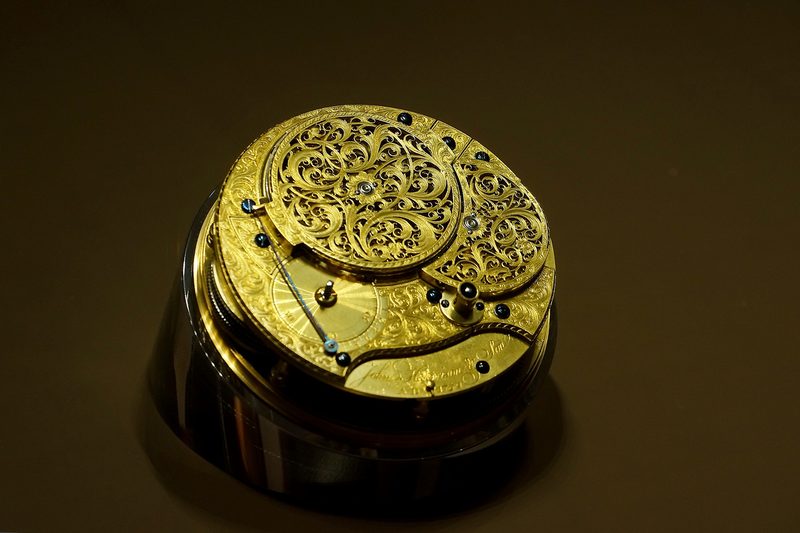
Five seconds slow after two months at sea: how John Harrison's H4 found longitude
How John Harrison, a self-taught clockmaker, built the four marine timekeepers H1 to H4, how H4 performed on the voyages to Jamaica and Barbados, why the Board of Longitude hesitated, what he was paid, and where the accounts differ.
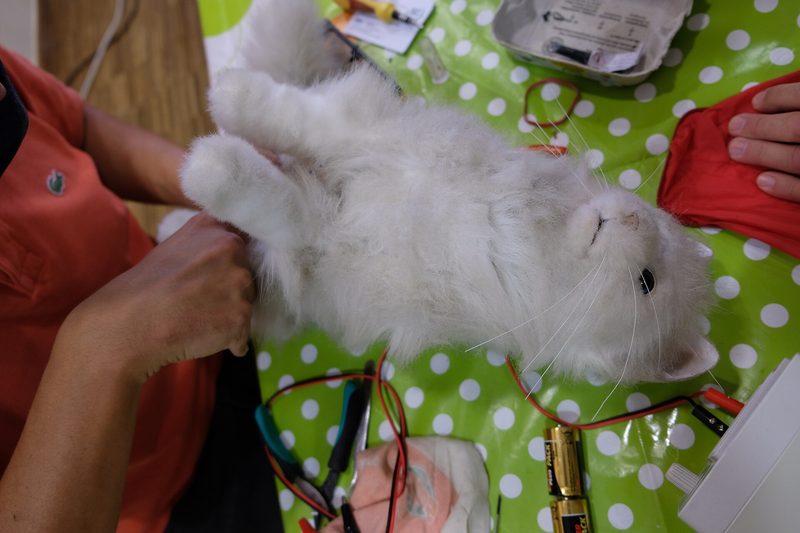
Toasters, fans and a red vacuum: the Cincinnati volunteers who have mended nearly 1,400 cast-offs
Cincinnati's Tinker Team has restored nearly 1,400 household electronics in a year and a half, with no budget for parts and no experience needed to join. What they fix, why repair is worth learning, and how to find a repair event near you.