Walk through seven million years of human evolution
A friend has invited you to do this with them.
The Natural History Museum's free Human Evolution gallery in London runs from the first hominins to modern humans, with a 3.5-million-year-old canine from Laetoli, the first adult Neanderthal skull ever found and the 420,000-year-old Clacton spear. You can also handle Lucy's hip bone online, in a free 3D lab, before or after you go.
GentleFreeAn afternoonIndoorsAlone or with othersLondon
Someone who has done it
Our Curious piece tells how Lucy was found in Ethiopia in 1974; the gallery does not list Lucy among its highlights.
How to start
- Read our Curious piece on how Lucy was found, so you know why walking upright matters.
- Go to the ground floor of the museum's East Wing and look for the Laetoli canine, the oldest hominin fossil in the collection.
- At home, open the University of Wisconsin's virtual lab and turn Lucy's hip bone beside a chimpanzee's and a human's.
Where to go
- Human Evolution gallery (Natural History Museum, London) UK
- Virtual lab: afarensis pelvis (John Hawks Laboratory, University of Wisconsin-Madison)
We opened these links on 29 October 2026 and found them to be what we say. Dates, places and prices are on the official page, where they stay up to date.
Plan this
Pick a day, or a month, and we will set out how to get ready, step by step, with a date and a reason for each. The hard part of a day out is the timing: the right season, tickets and getting there. The plan watches the calendar for you.
Read next
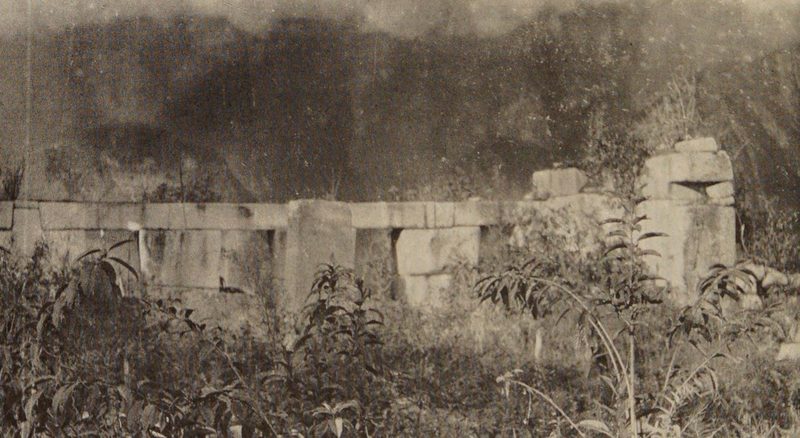
A name in charcoal, dated 1902, was waiting on the wall when Hiram Bingham reached Machu Picchu
How Hiram Bingham reached Machu Picchu in 1911, who was already there, the charcoal inscription left by Agustín Lizárraga in 1902, the 2022 study suggesting the Incas called the place Huayna Picchu, and how the objects taken to Yale went back to Cusco.
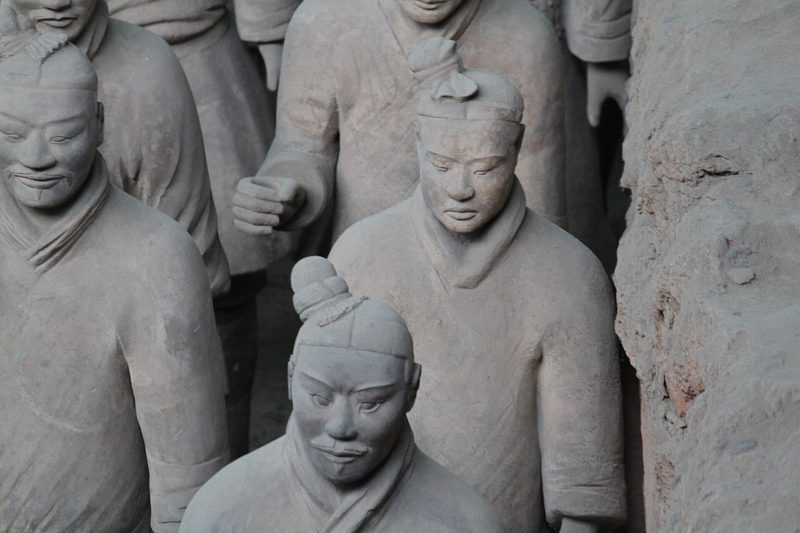
A well that was never finished: how farmers near Xi'an found the Terracotta Army
How farmers digging a well near Xi'an in 1974 found the Terracotta Army, how a local curator reassembled the first soldiers, the long argument over who discovered it, and how a famous claim about ancient anti-rust technology was overturned in 2019.