AI · 28 October 2026 · 3 min read
Satoshi Tomokiyo's list of unbroken ciphers is getting shorter, and AI is the reason
Satoshi Tomokiyo, 58, a patent engineer, keeps one of the best-known lists of unsolved historical ciphers. This autumn AI began working through it, starting with a letter written on Napoleon's orders in 1809. He checked the answer himself, and says his feelings are mixed.
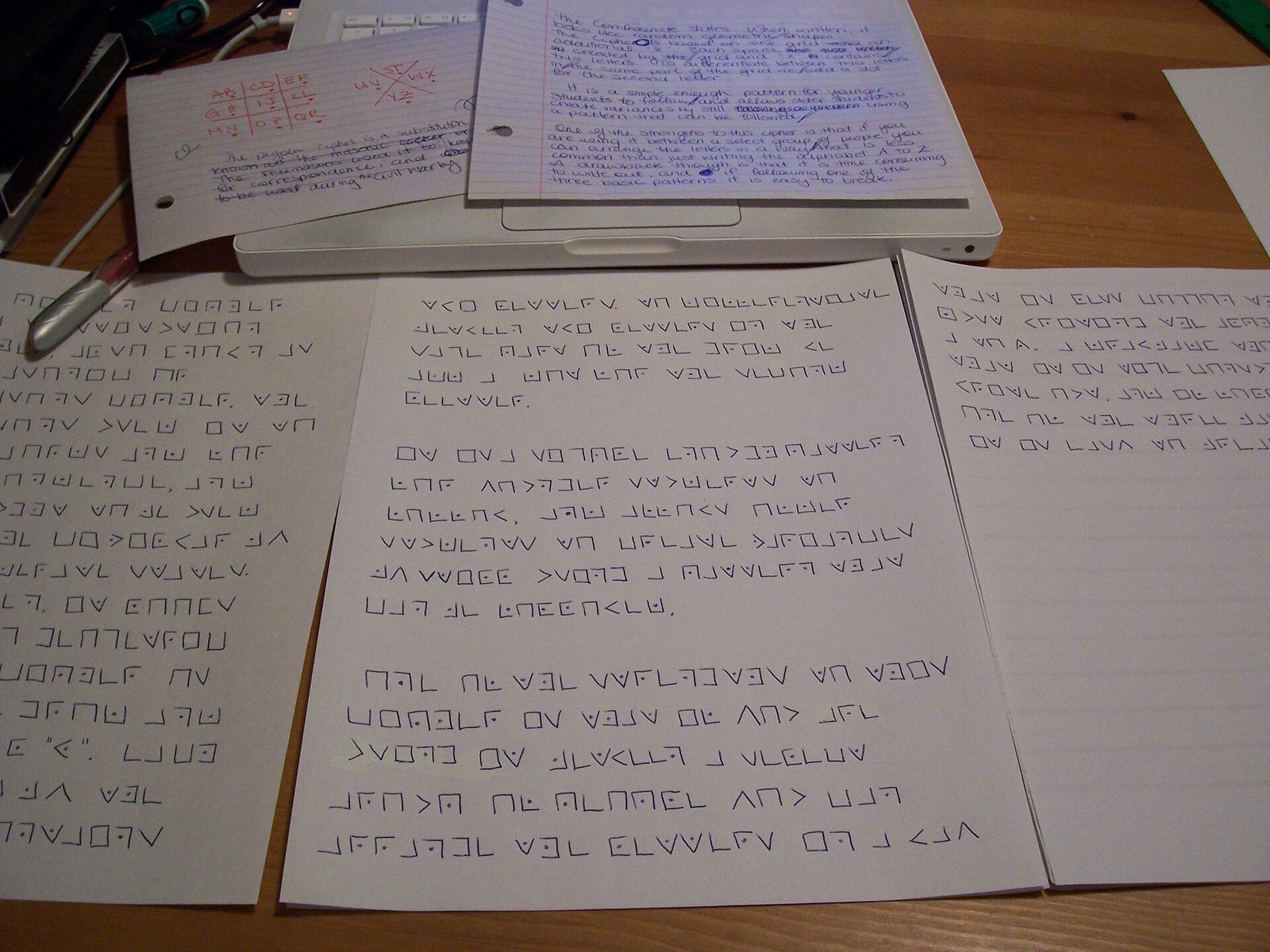
The letter is about two dozen lines of symbols, numbers and letters. It was written in 1809, on Napoleon’s orders, to one of his generals, and it gives the positions of French and allied troops. For more than 200 years nobody read it. It sat in an online academic archive, untouched.
Then, this autumn, Carter Church, a 27-year-old AI engineer at the US cybersecurity firm SentinelOne, spent a few evenings on it with OpenAI’s GPT-6 Astra. The model broke it in about six hours, AFP reported. Without digital tools, the same job could have taken weeks.
Church needed someone to tell him whether he was right. That person was Satoshi Tomokiyo, 58, a Japanese patent engineer.
The man with the list
Tomokiyo runs Cryptiana, a website AFP describes as a go-to resource for amateur cryptographers. On it he keeps a list of unsolved historical ciphers: coded letters, telegrams and messages found in archives and old publications that nobody has managed to read.
The list is not new. In 2020 the German cryptology writer Klaus Schmeh called Cryptiana “highly recommended” and counted some 60 entries on the list, about 20 of them already solved. They ranged from four encrypted letters written by King Charles I in 1648 to an encoded telegram from the British consulate in Lüderitz, in what is now Namibia, and an unsolved Enigma message from 1945. Tomokiyo, Schmeh wrote, has expertise in codes, nomenclators (code books that swap whole names and words for numbers) and homophonic ciphers, and he proofread the book Codebreaking: A Practical Guide by Schmeh and Elonka Dunin.
The list asks readers to send in any solution they find. This autumn, solutions began arriving in bulk.
A turning point, and mixed feelings
Since mid-September, AFP reported, AI has cracked most of the ciphers on Tomokiyo’s list. He used the list to verify Church’s work on the Napoleon letter.
“2026 will be remembered as a turning point for codebreaking of historical ciphers.” — Satoshi Tomokiyo, writing on Cryptiana
A fellow codebreaker wrote to him: “I feel useless.” Tomokiyo told AFP he was excited that long-standing problems had been solved, but added:
“I have mixed feelings, because AI seems to have solved these difficult problems so easily.” — Satoshi Tomokiyo, to AFP
Church said he had to learn very little about codebreaking or the period. “What AI mostly brings is persistence,” he told AFP.
Not everything has fallen. “There remain some tough problems,” Tomokiyo said. Some ciphers may stay unsolved for years, because there is too little text for any method, human or machine, to work on.
Why this matters
Codebreaking is a clean test of what AI is good at. It is patient, and a correct answer can be checked: the decoded text either makes sense in the right language and period, or it does not.
The same patience is now being turned on whole archives. AFP reported that historians in Paris have trained an AI system to transcribe 14,600 pages of medieval Latin notarial records from Notre-Dame, with character recognition rates of 88 to 94%, work that would take decades by hand.
Look at those figures again: 88 to 94% means some characters in every page are wrong. That is why Tomokiyo’s part of the story matters as much as Church’s. The machine produced an answer; a person who knew the field confirmed it. If you use AI for anything that matters, from a family-history document to a letter from the council, you are the Tomokiyo. Our six-step routine for checking what a chatbot tells you is a good place to start.
How to have a go
Doing a simple cipher by hand first makes the AI’s work far easier to judge. The oldest trick is frequency analysis: in English, some letters (E, T, A) turn up far more often than others, so the most common symbol in a long enough message is probably one of them.
Try one by hand, then give a fresh one to a free AI assistant and check every letter of its answer. Keep anything private out of it: what to tell an AI, and what to keep to yourself sets out the rules. If puzzles are your thing, try our daily puzzles. And for another amateur who surprised the professionals, read about David Smith and the hat-shaped tile.
Sources
- AI cracks Napoleon's 200-year-old secret code in just six hours — Malay Mail (AFP), 16 October 2026
- 'Mixed feelings': AI cracks centuries-old ciphers — eNCA (AFP, Katie Forster with Zoe Leroy), 16 October 2026
- A king's encrypted letter on Satoshi Tomokiyo's list of unsolved cryptograms — Klaus Schmeh, Cipherbrain (ScienceBlogs.de), 14 June 2020
Quotes are taken from the sources above. We link to the original reporting so you can read the full story.
Was this one for you?