Explore · 6 October 2026 · 4 min read
Birdwatching for beginners: what you need, where to go and how to make it count
Birdwatching can be a chair by a window or a 10-mile day across a marsh, and it costs nothing to begin. Here is what makes it easier than it looks, what is hard about it, and where to find a first guided walk in the UK, the US and Canada.
Birdwatching used to start with a field guide and a long apprenticeship. It now starts with a phone held up in a park. An app listens, names what is singing, and you look up to find it. The apprenticeship is still there if you want it, and it lasts a lifetime, but the first morning is easy.
It is also one of the few outdoor pursuits with no fixed level. The same hobby covers an hour at a kitchen window and a dawn-to-dusk day on foot. You choose.
Why it is easier than it looks
Your phone can identify birds for you. Merlin Bird ID, made by the Cornell Lab of Ornithology at Cornell University, is free. Its App Store listing describes four ways in: answer a few questions about what you saw, upload a photo, record the sound, or browse the birds of your region. It covers birds anywhere in the world, and you can download a region to use without a signal.
You don’t need binoculars on day one. Birds at a feeder, on a lake or in a town park are close enough to enjoy without them. When you do want a pair, try before you buy. RSPB Minsmere in Suffolk hires binoculars from £5 a day, and Aransas National Wildlife Refuge in Texas says it lends binoculars and field guides free at its visitor centre.
Birds are everywhere. The RSPB (the UK’s bird conservation charity) says you can take part in its Big Garden Birdwatch “in your garden, from your balcony, or in your local park”. More than 650,000 people did in 2026, and between them they counted 9.4 million birds. The most common was the house sparrow.
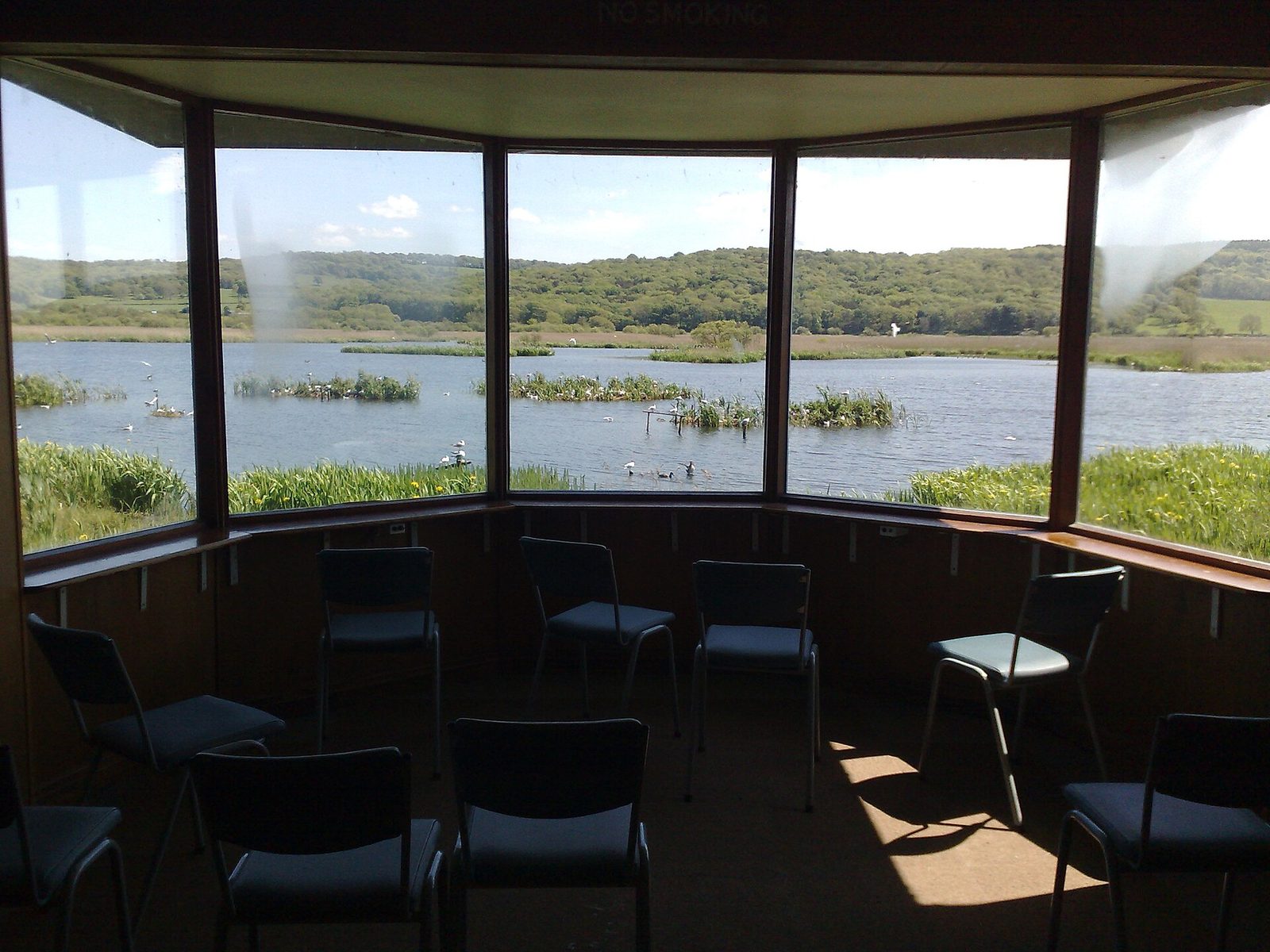
It can be as gentle or as hard as you like. Minsmere has five hides (bird blinds, in American English) with ramped or level entry, and mobility scooters to book. At the other end, a serious birder’s day may cover 10 miles (16 km) of rough ground before lunch.
The honest challenges
They move, and they hide. A bird in a tree gives you a few seconds. Getting binoculars onto it is a knack: keep your eyes on the bird and raise the binoculars to your face. It takes a few outings to become automatic.
Early starts. Birds are most active soon after first light. You can watch at any hour, but the best mornings begin before breakfast.
Many of them look alike. Small brown birds defeat everyone at first. Learn the dozen commonest species where you live, and the unusual ones begin to stand out.
The app is not always right. Sound identification is a suggestion, not a verdict. Keep a bird off your list until you have seen it or heard it well.
Weather. A cold, still hide in January needs more layers than a walk does. Dress for standing about.
The good part
The pleasure is attention. After a few weeks you hear a wren before you see it, and a walk you have done for years turns out to have been full of things you never noticed.
There is some evidence behind the feeling. Researchers at King’s College London followed 1,292 people who recorded their mood on a phone app between 2018 and 2021. Seeing or hearing birds was linked to better mental wellbeing lasting up to eight hours, including among people with a diagnosis of depression. The study found a link, not proof of cause.
Your notes can also be useful to others. eBird, the Cornell Lab’s free database, takes in more than 100 million bird sightings a year from birdwatchers around the world, and the records support science and conservation. Two big public counts ask for very little: the Big Garden Birdwatch is one hour on a weekend in late January, and the Great Backyard Bird Count, run by Audubon, the Cornell Lab and Birds Canada, asks for as little as 15 minutes. The next is on 12–15 February 2027, anywhere in the world. Both are free.
And a list can take you a long way. Peter Kaestner began in a Baltimore back yard with his brother and became the first person to see 10,000 species.
What to bring
- A phone with Merlin installed and your region downloaded
- A notebook and pencil; pencils work in the rain
- Binoculars if you have them, borrowed if you don’t
- Clothes in dull colours that don’t rustle, and one more layer than you think you need
- A flask. Standing still is cold work
How to start this month
- Pick a patch. Somewhere within ten minutes of home, ideally with trees and water. Go at the same hour three times in a week.
- Let the app listen first. Run Merlin’s sound identification, then try to find each bird it names.
- Go on one guided walk. The box on this page lists reserves and walks near you. A morning with someone who knows the birds saves months.
- Keep a list. Species, place, date. When you are ready, put it on eBird so that it counts.
- Put a count in your diary. Registration for the 2027 Big Garden Birdwatch opens on 9 December.
If you would like the first six weeks laid out, with a harder track for people who already walk a good distance, the plan behind Peter Kaestner’s story does that. For another outdoor hobby that begins with looking down instead of up, see fossil hunting for beginners.
Sources
- Merlin Bird ID by Cornell Lab — Apple App Store listing, Cornell University, accessed 6 October 2026
- About eBird — Cornell Lab of Ornithology, accessed 6 October 2026
- Big Garden Birdwatch — RSPB, accessed 6 October 2026
- Big Garden Birdwatch FAQs — RSPB, accessed 6 October 2026
- About the Great Backyard Bird Count — National Audubon Society, accessed 6 October 2026
- Minsmere nature reserve: on-site facilities — RSPB, accessed 6 October 2026
- First Flight: a beginner's birdwalk — Aransas National Wildlife Refuge, US Fish & Wildlife Service, accessed 6 October 2026
- Festival of Birds — Point Pelee National Park, Parks Canada, accessed 6 October 2026
- Feeling chirpy: being around birds is linked to lasting mental health benefits — King's College London, 27 October 2022
Quotes are taken from the sources above. We link to the original reporting so you can read the full story.
Was this one for you?