Dig a wildlife pond
A friend has invited you to do this with them.
A wildlife pond is shallower than most people expect, with a gently sloping edge so animals can get in and out, and it is filled with rainwater. Frogs, dragonflies and pond invertebrates find it on their own, and watching who arrives is the reward for the digging.
ModerateUnder £100 / $130A few weeksOutdoorsAlone or with othersUK
How to start
- Read The Wildlife Trusts' step-by-step guide and the Freshwater Habitats Trust's garden pond advice.
- Mark the outline in a sunny spot with rope or a hosepipe, then dig it with a shallow sloping beach.
- Lay sand and a butyl liner, fill the pond with rainwater and leave it a week or two before adding native plants.
Where to go
We opened these links on 7 October 2026 and found them to be what we say. Dates, places and prices are on the official page, where they stay up to date.
Plan this
Pick a day, or a month, and we will set out how to get ready, step by step, with a date and a reason for each. Projects run over months and stall without a rhythm, so the plan sets milestones you can see.
Read next
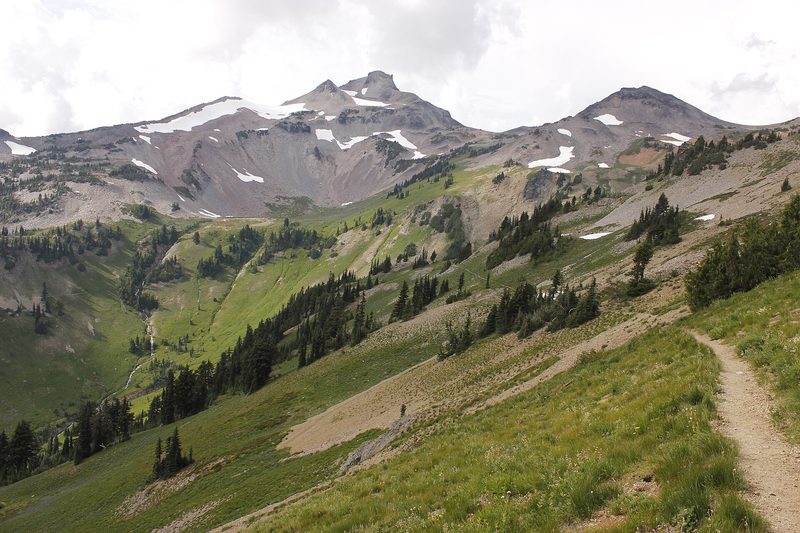
Six pairs of shoes and seven months on the Pacific Crest Trail took Nancy Zelick from Mexico to Canada
How a retired Intel researcher from Baker City, Oregon, walked the Pacific Crest Trail from Mexico to Canada in about seven months: the snow, the gear, the food and why she thinks pace mattered more than youth. How to start multi-day hiking, or build towards a long trail if you already walk.
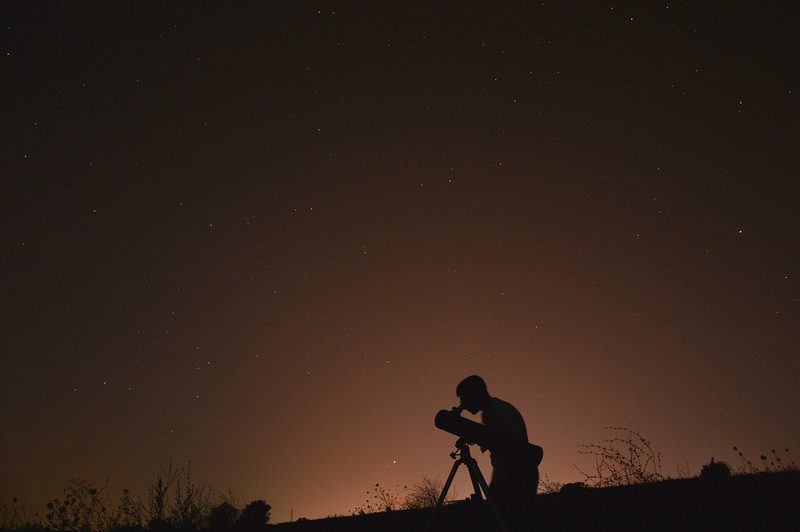
Stargazing for beginners: what to see, what to bring and where to look through a telescope
A beginner's guide to stargazing: letting your eyes adapt, the planets you can find without a telescope, why a red torch matters, the honest challenges of cloud and cold, and observatories and astronomy societies near you that will lend you a look through their telescopes.