Go metal detecting and record what you find
A friend has invited you to do this with them.
A coin or buckle lifted from a ploughed field becomes evidence once its exact find spot is written down, and the Portable Antiquities Scheme exists to record such objects on a public database. Its Finds Liaison Officers describe, photograph and measure each find, then normally hand it back with a reference number.
Moderate£100 to £500 / $130 to $650MonthsOutdoorsAlone or with othersUK
How to start
- Read the National Council for Metal Detecting's beginners guide, which covers permission, protected sites and the law on treasure.
- Get the landowner's written permission before you search any land, and agree in writing who owns what is found.
- Note a National Grid Reference for each find and take it to your local Finds Liaison Officer to be recorded.
Where to go
- National Council for Metal Detecting, beginners guide (UK)
- Portable Antiquities Scheme, guidance for landowners in England and Wales (explains how finds are recorded)
We opened these links on 7 October 2026 and found them to be what we say. Dates, places and prices are on the official page, where they stay up to date.
Plan this
Pick a day, or a month, and we will set out how to get ready, step by step, with a date and a reason for each. Projects run over months and stall without a rhythm, so the plan sets milestones you can see.
Read next
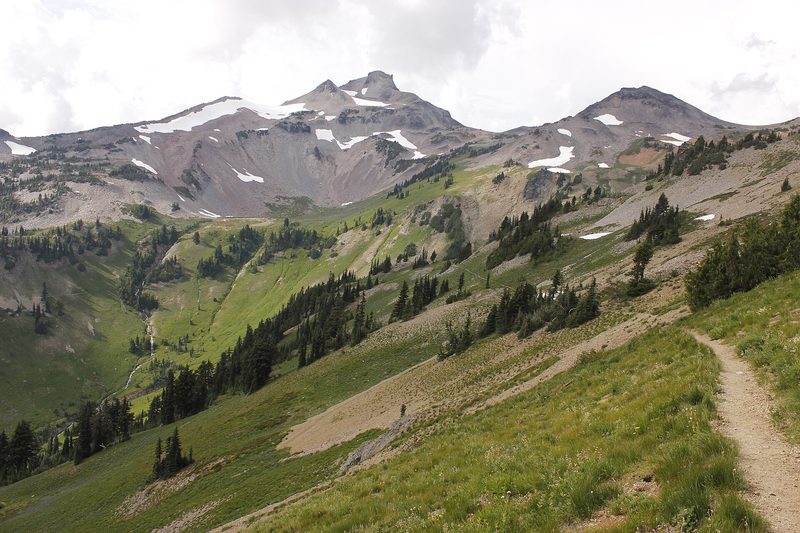
Six pairs of shoes and seven months on the Pacific Crest Trail took Nancy Zelick from Mexico to Canada
How a retired Intel researcher from Baker City, Oregon, walked the Pacific Crest Trail from Mexico to Canada in about seven months: the snow, the gear, the food and why she thinks pace mattered more than youth. How to start multi-day hiking, or build towards a long trail if you already walk.
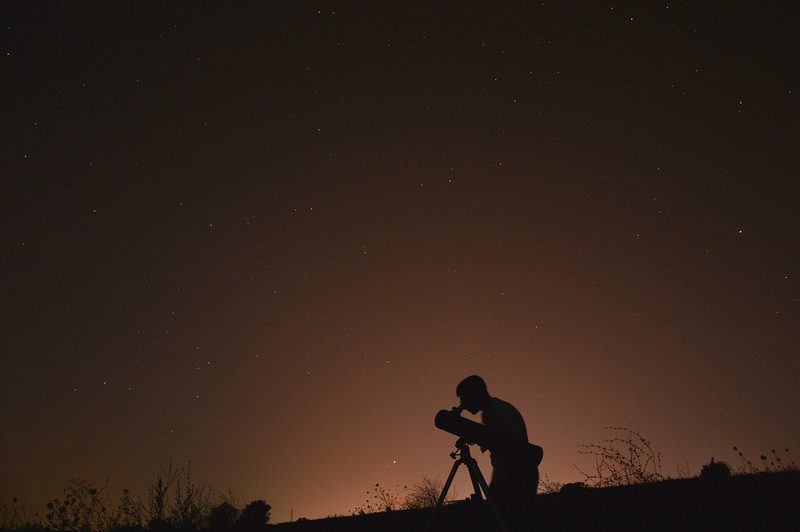
Stargazing for beginners: what to see, what to bring and where to look through a telescope
A beginner's guide to stargazing: letting your eyes adapt, the planets you can find without a telescope, why a red torch matters, the honest challenges of cloud and cold, and observatories and astronomy societies near you that will lend you a look through their telescopes.