See the wildebeest calving in the Serengeti
A friend has invited you to do this with them.
Between late January and March, wildebeest give birth on the southern plains of Tanzania's Serengeti, up to 9,000 calves in a day, according to the Tanzania Daily News. National Geographic describes a round trip of about 500 miles (800 km) that takes the herds into Kenya and back.
GentleOver £500 / $650A day or a few daysOutdoorsWith othersTanzaniaLate January to March for calving
Christmas present ideas for someone who wants to see the wildebeest calving in the Serengeti
Presents that help someone get started, drawn from this page. They are ideas, not recommendations: we have not tested any of the products, so check sizes and details before you buy.
Give the experience
- Serengeti safarisViator game drives in the Serengeti are normally run by safari operators
Kit to give
- BinocularsAmazon to pick out animals across the open plains
- Telephoto zoom lensAmazon to photograph wildlife from the vehicle
- Wide-brim sun hatAmazon for long days in an open-roof vehicle
Some of these are affiliate links: if you buy or book through them we may earn a commission at no extra cost to you. Amazon links are searches, so compare what comes up.
More Christmas gift ideas for people who love doing things Stocking fillers
Where the herds are
| Months | Where the herds usually are | What happens |
|---|---|---|
| January to March | Southern Serengeti, around Ndutu | Calving, with lions, cheetahs and hyenas active |
| April onwards | Moving north | Zebra leave first and wildebeest follow within about four days |
| May to early July | Western Corridor | Herds keep moving north |
| By August | Masai Mara, Kenya | Crossing the Mara River, a risky stretch with crocodiles |
| October to December | Heading back south, pausing in the middle of the Serengeti in November and December | Rains return in October and the herds turn |
This is the pattern National Geographic described in April 2026, which gives calving as between January and April; Ndutu is named by the Tanzania Daily News. Dates move from year to year.
What the calving season is like
The Tanzania Daily News reported in February 2026 that over half a million wildebeest calves are born on the southern plains each season, and that a calf can stand within minutes of birth. Lions, cheetahs and hyenas are very active at this time.
National Geographic put the herds at as many as 1.3 million wildebeest, with more than 200,000 zebra and over 400,000 Thomson's gazelles.
Practical points
Travel company Roadtrip Africa (undated page) says Serengeti permits are paid at the entrance gate by Visa or Mastercard credit card, not cash or debit card, and that Ngorongoro permits must be issued by a tour operator rather than bought at the gate.
The UK Foreign Office (FCDO) advises against all but essential travel to areas within 20 km (12 miles) of the Mozambique border in Mtwara, in Tanzania's far south. It does not mention the Serengeti. It warns that some parks are remote, so emergency help and evacuation can be difficult, and that watching wildlife on foot or close up carries risks.
How to start
- Choose your month by where the herds are likely to be; the south for calving early in the year, the north and the Mara River from about August.
- Book with a tour operator, which can also arrange permits for the neighbouring Ngorongoro Conservation Area if you add it.
- Make sure you have the right documents or permit before you enter a national park, as the Foreign Office advises.
Where to go
- National Geographic, how wildebeest reshape the Serengeti
- Tanzania Daily News via AllAfrica, witnessing the Serengeti calving season
- GOV.UK (FCDO), Tanzania regional risks UK
We opened these links on 20 November 2026 and found them to be what we say. Dates, places and prices are on the official page, where they stay up to date.
Plan this
Two ways to plan it.
Plan it yourself Free
The links you need to book it, get there, find somewhere to stay and eat, and see what else there is to do nearby. They are searches for you to run; nothing is saved.
Show the links
Plan it with dates
Pick a day, or a month, and we will set out how to get ready, step by step, with a date and a reason for each. The hard part of a day out is the timing: the right season, tickets and getting there. The plan watches the calendar for you.
Questions people ask
When is the calving season in the Serengeti?
Between late January and March, on the southern plains around Ndutu, according to the Tanzania Daily News.
How many wildebeest are in the great migration?
National Geographic put it at as many as 1.3 million wildebeest, plus more than 200,000 zebra, and said half a million calves may be born in a year.
Is the great migration in Kenya or Tanzania?
Both. National Geographic says the herds reach Kenya's Masai Mara by about August and turn back south into Tanzania when the rains return in October.
Where this comes from: National Geographic, How wildebeest reshape the Serengeti during Africa's Great Migration; Tanzania Daily News via AllAfrica, Witnessing the Serengeti calving season; Roadtrip Africa, Tanzania national park fees and permits (undated); GOV.UK (FCDO), Tanzania regional risks. Opened 20 November 2026.
Read next
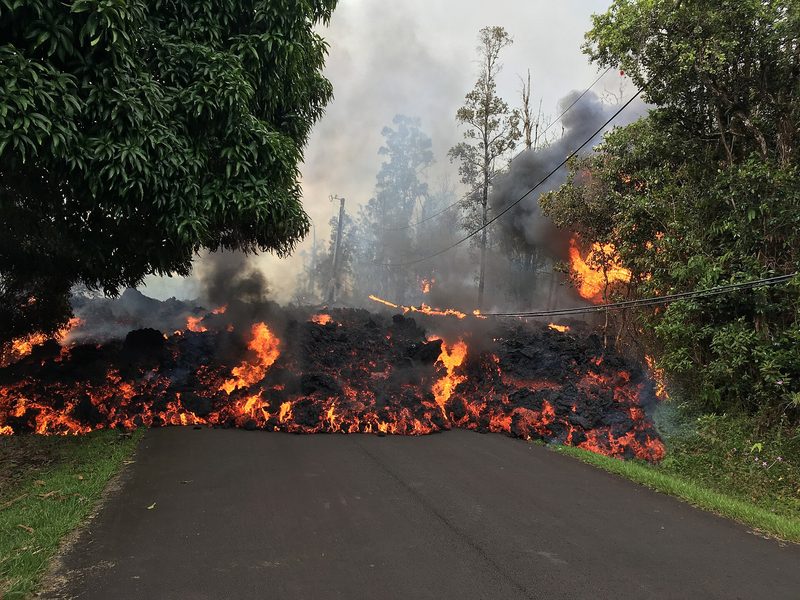
An asteroid called Leilani, found by Todd Fisher in old telescope images, remembers a neighbourhood lost to lava
How a citizen scientist with no training in astronomy found a new asteroid in eight-year-old telescope images, why he named it after Leilani Estates, and how to join the same search from a laptop.
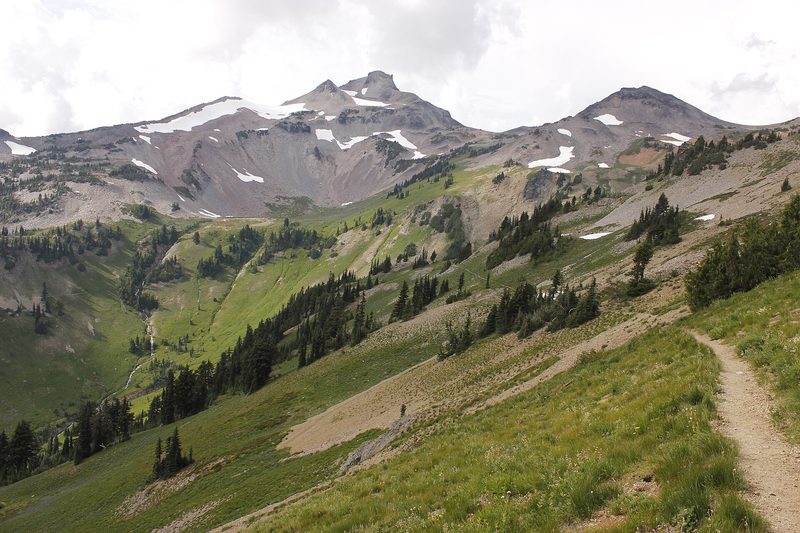
Six pairs of shoes and seven months on the Pacific Crest Trail took Nancy Zelick from Mexico to Canada
How a retired Intel researcher from Baker City, Oregon, walked the Pacific Crest Trail from Mexico to Canada in about seven months: the snow, the gear, the food and why she thinks pace mattered more than youth. How to start multi-day hiking, or build towards a long trail if you already walk.
More like this
Gentle · Kenya
Go on safari in the Masai Mara
Demanding · Tanzania
Climb Kilimanjaro
Moderate · Uganda
Track mountain gorillas in Uganda
Moderate · Ecuador
See the wildlife of the Galápagos Islands