Explore · 29 September 2026 · 3 min read
Jeremy Lockwood, retired family doctor, found three new dinosaurs in museum drawers
Jeremy Lockwood was a family doctor for years. Family holidays on the Isle of Wight brought back a childhood love of fossils, so he retired, enrolled for a PhD and started measuring bones that had sat in museum drawers for decades. Three of them turned out to be dinosaurs no one had described before.
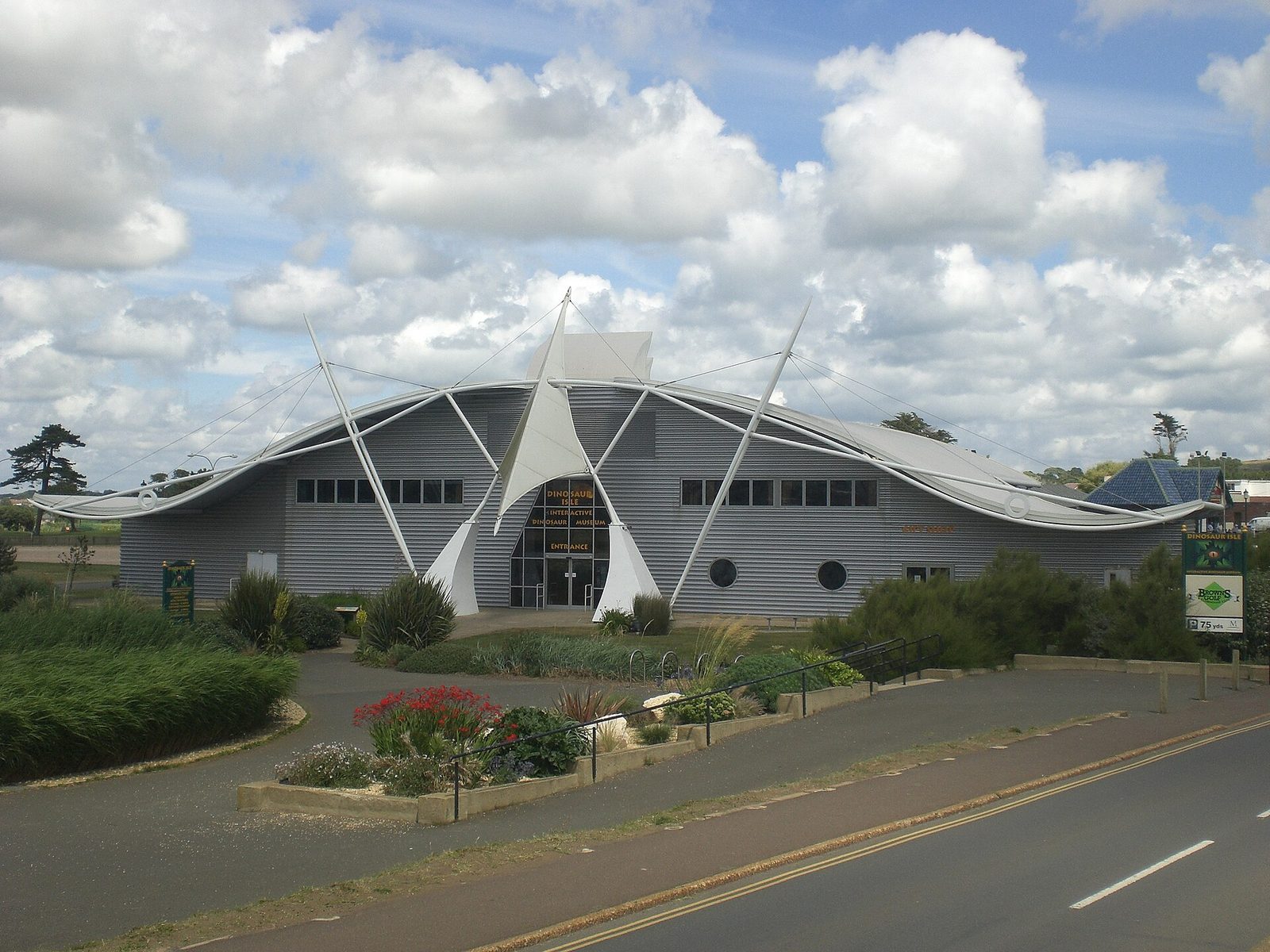
The fossils Jeremy Lockwood has made his name on were not dug out of a cliff. They were already in museum drawers, waiting for someone to look at them properly.
Lockwood, now 68, spent his working life as a GP (family doctor). He had loved fossils as a boy, and it was family holidays to the Isle of Wight that brought it back.
“We’d spend hours walking the beaches where the dinosaur beds are, and we started finding bones. That brought it all back.” — Dr Jeremy Lockwood, to Isle of Wight Radio
After years in practice he retired and enrolled for a PhD in dinosaur research at the University of Portsmouth. His method came straight from the surgery. He was convinced that small differences between bones would point to a new species, he told ITV in 2021, so he measured, photographed and studied every one.
Three dinosaurs from the drawers
He worked through thousands of bones held at Dinosaur Isle in Sandown and the Natural History Museum in London. So far, three species have come out of them, each around 125 million years old:
- Brighstoneus simmondsi, named after the village of Brighstone and the fossil collector Keith Simmonds — the large-nosed dinosaur that gave him “one of the happiest days of lockdown”.
- Comptonatus chasei, from Compton Bay, named for the late island fossil hunter Nick Chase.
- Istiorachis macarthurae, described in August 2025 and named after the sailor Dame Ellen MacArthur for the sail of spines along its back: about two metres (6½ ft) tall and around a tonne (2,200 lb) — bison-sized.
His co-author Professor Susannah Maidment of the Natural History Museum put it plainly: “Over the past five years, Jeremy has single-handedly quadrupled the known diversity of the smaller iguanodontians on the Isle of Wight.”
“Sometimes, the most remarkable discoveries are hiding in plain sight.” — Dr Jeremy Lockwood
He does not think he is finished: “I’m sure there’ll be more discoveries in the years to come.”
Why this matters
Lockwood’s advantage was not youth or equipment but patience, curiosity and hours on a beach — all available to anyone.
The beach itself does measurable good. A University of Exeter study of nearly 20,000 people in England found that those who spent at least 120 minutes a week in nature were consistently more likely to report good health and high wellbeing than those who spent none. It held for older adults and for people with long-term illnesses or disabilities, whether the two hours came in one walk or several. The lead author, Dr Mat White, called two hours a week a realistic target for many people, since it can be spread across the week.
Give the walk a reason — a fossil, a bird, a rock — and it becomes a project, and projects get you out of the door on grey mornings in a way “exercise” rarely does.
How to start looking
Our beginner’s guide to fossil hunting covers the rules and the kit in more detail; the box below lists guided walks and fossil parks near you.
- Go with a guide first. Dinosaur Isle runs two-hour fossil walks from Yaverland beach (£7 adults, £5 concessions; wellies and a towel, no tools needed). Dorset’s Jurassic Coast has its own; in the US, try a fossil shore such as Calvert Cliffs State Park in Maryland, where shark teeth wash out onto the sand.
- Follow the collecting code. Pick up what the sea has loosened, never hammer at cliffs, check tide times, and take anything unusual to the local museum. Some US states (Florida, for one) require a low-cost permit for vertebrate fossils.
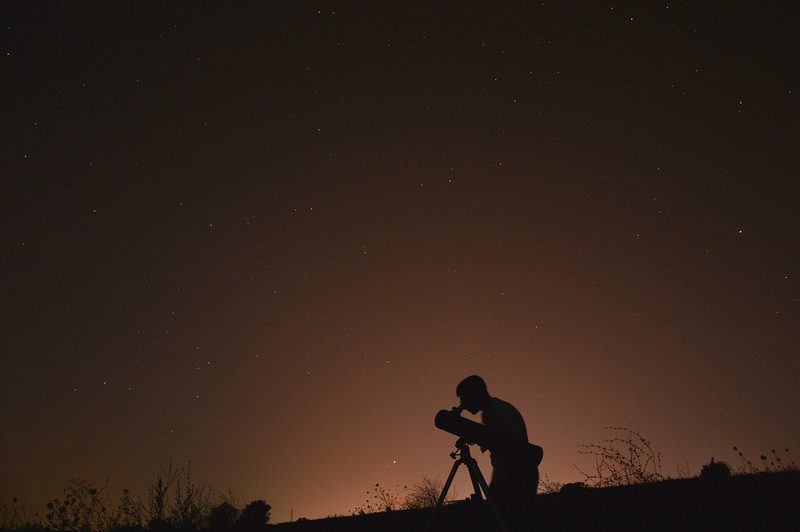
- Pick your version. No beach nearby? The same habit works with garden birds, wildflowers or night skies, and the iNaturalist app turns any walk into a record scientists can use.
- Ask the museum. Collections have more specimens than staff. Volunteering to sort, label or photograph is how many “amateur” discoveries begin.
If the study side appeals, Marie Fowler went back to the classroom at 80, and our guide to going back to study after 50 covers the routes in. But the first step is the one Lockwood took on holiday: walk the beach, look down, and let it bring something back.
Sources
- Retired GP discovers three new dinosaur species on the Isle of Wight — Isle of Wight Radio, 5 November 2025
- New sail-backed dinosaur species unearthed from Isle of Wight fossils — Natural History Museum, 22 August 2025
- Retired doctor discovers new dinosaur species deep in a museum archive — Popular Science, 22 August 2025
- Retired doctor discovers dinosaur with 'unusually large' nose — ITV Meridian, 11 November 2021
- Two hour 'nature dose' boosts health and wellbeing — European Centre for Environment and Human Health, University of Exeter, 13 June 2019
- Fossil walks — Dinosaur Isle, 2025
Quotes are taken from the sources above. We link to the original reporting so you can read the full story.
Was this one for you?